
Key Takeaways
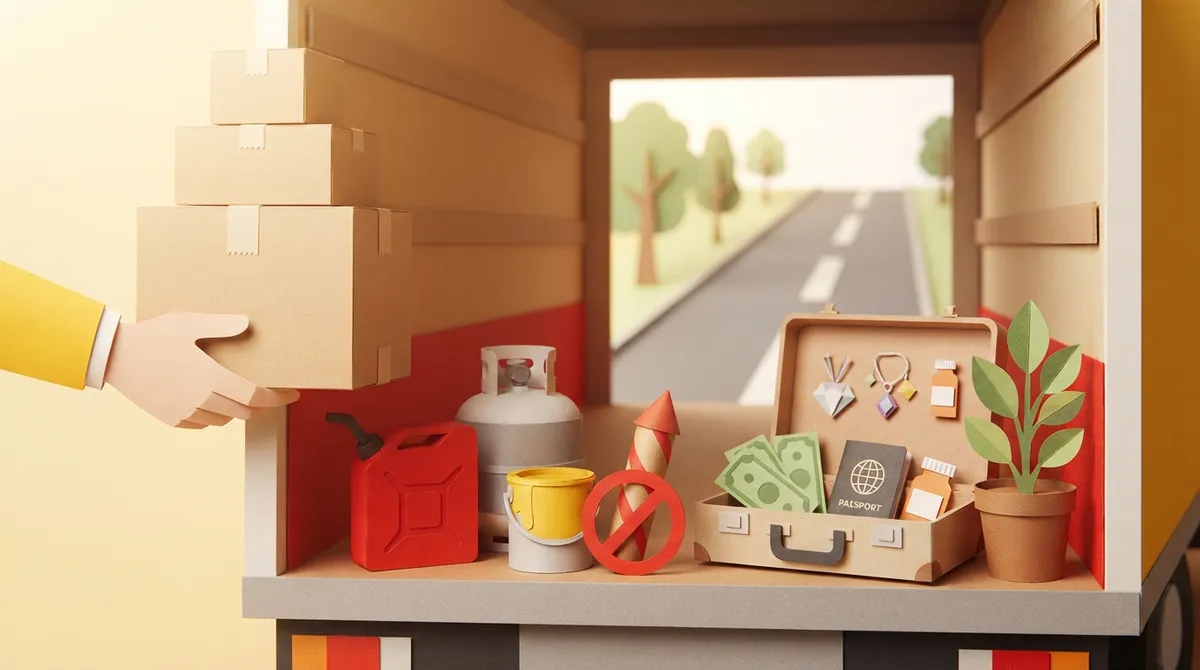
- Movers typically refuse hazardous items like gasoline, propane tanks, paint, fireworks, and oxygen bottles because they can cause fires or leaks; use them up, donate them, or take them to a hazardous waste drop-off.
- For interstate moves, federal rules require disclosing hazardous materials to your mover, and violations can bring fines of $250,000 or more and up to five years in prison.
- Carry cash, jewelry, passports, medications, important documents, and electronics with you rather than putting them on the truck, since movers often limit liability for these high-value, hard-to-replace items.
- Ask for each company's current written prohibited-items list before packing, because policies vary by mover, route, and whether the move is local or long-distance.
- Perishable food, frozen items, and houseplants are often refused, especially on long-distance moves; plan to eat down the fridge, donate pantry items, or transport plants yourself.
- Disclose heavy, fragile, or valuable items like pianos, gun safes, hot tubs, pool tables, and fine art early so you can arrange specialty handling and avoid day-of delays or refusals.
Packing day is going great. The kitchen is wrapped, the books are boxed, and then you open the garage. Gas cans, half-empty paint, a propane tank for the grill. Suddenly you wonder: will the crew even take any of this? It's a fair question, and one almost every mover hears.
If you're asking what items will movers not move, you're already ahead of the game. Knowing the answer before moving day saves you stress, last-minute scrambling, and surprise delays. The truth is that there's no single list every company follows. Rules shift based on the mover, the route, and whether your move is local or long-distance.
Still, a few categories show up again and again. In this guide, we'll walk through seven kinds of belongings movers commonly decline, why they say no, and what you can do instead. Whether you're a Polk County homeowner, a retiree downsizing, or a family leaving a big estate, this will help you pack smarter and move calmer.
Why Movers Say No to Certain Items
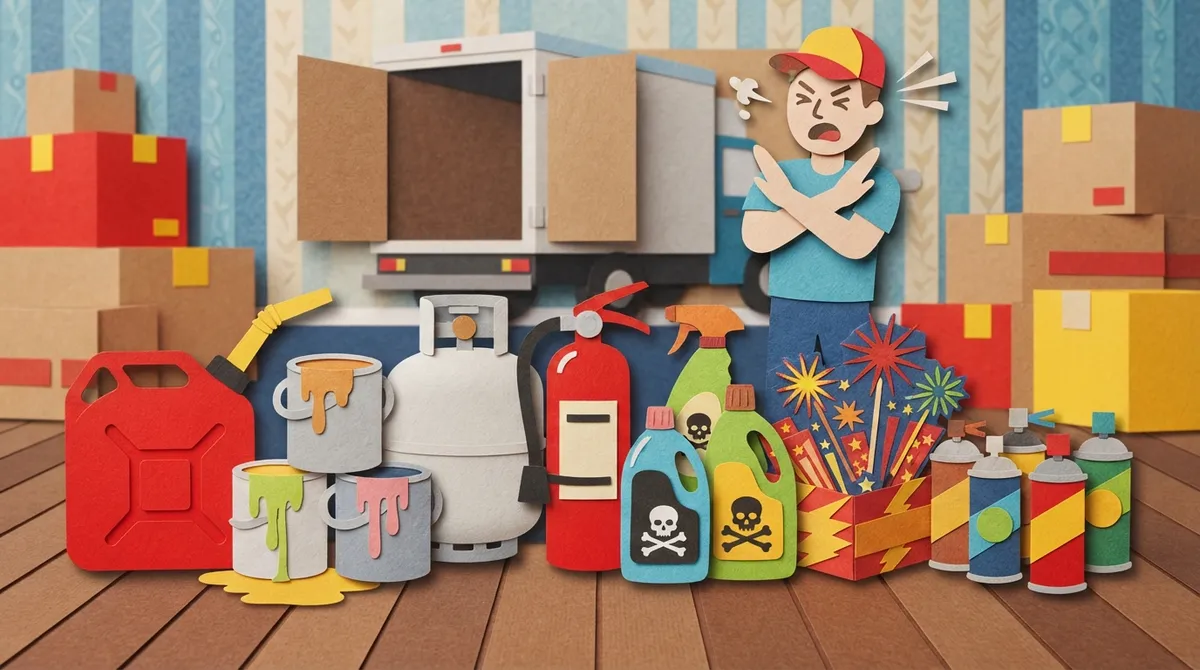
Movers aren't being picky. Most refusals come down to safety, liability, and the law. A truck packed with your whole household is a long way from help if something leaks, sparks, or spoils.
For interstate moves, federal guidance from the FMCSA says you must not pack hazardous materials in household-goods boxes or luggage without telling your mover. Breaking that rule can carry serious penalties, including fines of $250,000 or more and up to five years in prison. That's why reputable crews take this seriously.
Here's the key point: policies vary by company. Always ask your mover for its current written list of prohibited items before you start packing. If you're still choosing a team, our guide on what to look for in a moving company can help you ask the right questions.

1. Flammable and Hazardous Chemicals
This is the biggest category, and the clearest "no." Hazardous materials can catch fire, explode, or leak into your furniture. Even a small spill can ruin an entire truckload.
The FMCSA lists examples that movers commonly refuse or require special arrangements for:
- Gasoline and lighter fluid
- Propane cylinders (yes, including the grill tank)
- Fireworks and ammunition-related materials
- Paint, paint thinner, and nail-polish remover
- Oxygen bottles
- Automotive chemicals like motor oil, antifreeze, and brake fluid
- Pool chemicals, bleach, and strong cleaners
Federal guidance groups hazardous materials into broad classes, including explosives, compressed gases, flammable liquids and solids, oxidizers, poisons, corrosives, and radioactive materials. Most households have at least a few of these hiding in the garage or under the sink.
What to Do Instead
- Use up what you can before moving day.
- Give unopened products to a neighbor or friend.
- Take leftovers to a Polk County household hazardous waste drop-off. Check with your local solid waste office for current hours.
- Empty gas from lawn equipment and grills before the move.
- Replace cheap items at your new home instead of hauling them.
2. Perishable Food and Frozen Items
Food spoils. On a long-distance trip, a box of groceries can turn into a smelly mess in a hot truck, and that smell can soak into your sofa and mattresses. That's why many movers decline perishables, especially on longer routes.
Items that often get refused or excluded from coverage include:
- Refrigerated or frozen foods
- Fresh produce and open packages
- Anything that could attract bugs or rodents
Florida heat makes this even more important. A truck parked in the sun in July is no place for yogurt.
What to Do Instead
Plan your meals to empty the fridge a week or two before the move. Donate unopened pantry items to a local food bank. For the last day, pack a small cooler with snacks and drinks you can carry with you. Non-perishable, sealed pantry goods are often fine for short local moves, but confirm with your crew first.
3. Houseplants
Plants feel like family, but they're tricky cargo. They can bring pests, spill soil, and wilt quickly without light, water, and fresh air. Many movers won't take them, particularly on long-distance trips. Some states also restrict moving plants across state lines.
If you have a big collection, our post on how movers can handle your plants in Winter Haven shares some helpful options for local moves.
What to Do Instead
- Move them yourself in your own vehicle for short trips.
- Take cuttings and root them in a small jar.
- Give treasured plants to friends or neighbors.
- Ask your mover whether local-only plant transport is possible.
4. Cash, Jewelry, and Important Documents
Here's one that surprises people. Movers often don't refuse these items outright, but they strongly recommend you carry them yourself. Why? They're small, valuable, and often irreplaceable, and many companies limit their liability for them.
Keep these with you at all times:
- Cash, coins, and checkbooks
- Jewelry and watches
- Passports, birth certificates, and Social Security cards
- Deeds, titles, and mortgage paperwork
- Medications and medical records
- Laptops, phones, and chargers
For interstate moves, FMCSA guidance defines an "article of extraordinary value" as any item worth more than $100 per pound. Think of fine jewelry, small antiques, or collectibles. These should be specifically listed on your shipping documents so your protection isn't limited. If you're unsure how coverage works, read our breakdown of whether movers are responsible for damage.
What to Do Instead
Pack a personal "essentials bag" or box and keep it in your own car. Label it clearly so nobody mistakes it for something that belongs on the truck.
5. Firearms, Ammunition, and Alcohol
Rules here vary widely. Ammunition is typically treated as a hazardous item and refused outright. Firearms may be declined or require special handling and paperwork. Alcohol can be limited by company policy or by state rules, and long-distance moves can raise extra questions.
If you own a heavy gun safe, that's a different story. Safes are often moved by specialists with the right equipment. Our guide on what to know before hiring a gun safe moving company explains how that works.
What to Do Instead
- Ask your mover about its firearm and alcohol policy before packing.
- Transport ammunition yourself, following all state and federal rules.
- Check destination state laws before moving firearms across state lines.
- Consider a specialty mover for safes.
6. Items That Are Too Heavy, Fragile, or Awkward
Some belongings aren't banned. They just need the right team. A general crew may decline them because they lack the equipment, training, or insurance to handle them safely. These are often the pieces that matter most, especially for estate owners and families downsizing.
| Item | Why It's Tricky | Best Approach |
|---|---|---|
| Pianos | Heavy, delicate, easily damaged | Specialty crew with proper equipment |
| Gun safes and vaults | Can weigh hundreds of pounds | Heavy-lifting team and ramps |
| Hot tubs and spas | Bulky, plumbing and wiring concerns | Advance planning and specialty handling |
| Pool tables | Slate must be disassembled carefully | Experienced pool table movers |
| Large appliances | Heavy, need disconnecting | Prep ahead; confirm service |
| Fine art and antiques | Fragile, high value | Custom crating and careful packing |
The takeaway: tell your mover about these items early. Surprises on moving day can lead to delays, extra charges, or a flat "no." If you own something like a baby grand, learn more about how piano moving services protect your instrument. For spas, see how to move a hot tub without damage.
What to Do Instead
Disclose big, fragile, or valuable pieces when you request your estimate. A good company will either handle them with the right gear or point you to a specialist. At DynaMight Movers, specialty pieces and heavy lifting are part of what we do every day, so we'd rather hear about them early and plan properly.
7. Items You'd Regret Losing (or Never Needed)
This last category isn't a rule, it's a smart-moving tip. Some belongings aren't refused, but they're not worth putting on a truck. Think of the sentimental box of family photos, a laptop holding years of work, or the clutter you haven't touched in a decade.
- Irreplaceable keepsakes: Photo albums, heirloom letters, and family videos are best carried personally or digitized.
- Opened toiletries and cleaning supplies: They leak. Toss or give them away.
- Old mattresses, broken furniture, and junk: Why pay to move what you'll throw away?
- Anything you haven't used in years: Moving is the perfect time to let go.
Cutting clutter lowers your costs and your stress. Many families find that junk removal and moving go hand in hand, and our post on how junk removal and moving services team up shows how to combine them.
How to Find Out If a Mover Will Take a Specific Item
When in doubt, ask. Here's a simple process that works for almost any move.
- Request the written prohibited-items list. A trustworthy company will share it without hesitation.
- Make a list of anything questionable. Walk your garage, shed, pantry, and closets.
- Share it during your estimate. This keeps your quote accurate and avoids day-of surprises.
- Confirm special-handling items in writing. Get it in your paperwork, not just a phone call.
- Plan an alternative for refused items. Donate, dispose, gift, or carry them yourself.
Getting a clear estimate is key. If you're comparing options, our explainer on how moving company quotes really work helps you spot hidden costs.
Local vs. Long-Distance: Do the Rules Change?
They can. A short hop across Lakeland is very different from a multi-day haul to another state. Perishables, plants, and liquids are much riskier over long distances, and interstate moves follow federal consumer protection rules. Local moves may allow more flexibility, but the company's own policy still decides.
Planning a bigger move? These guides can help: what to know before an interstate move from Lakeland and how to plan long-distance moving in Polk County.
Tips for Seniors and Large Families
If you're helping a parent downsize or emptying a family home, the "won't move" list can feel overwhelming. Decades of belongings mean decades of paint cans, medications, and mystery chemicals. Go room by room, set aside a safe pile for personal carry, and ask for help with heavy or hazardous items. For extra support, see our moving help options for the elderly in Lakeland.
Plan Your Move With a Team That Tells It Straight
Knowing what items movers won't move turns a stressful surprise into a simple to-do list. Clear out the hazardous stuff, carry your valuables, plan for plants and perishables, and flag the heavy or delicate pieces early.
DynaMight Movers is a licensed and insured moving company serving Polk County, including Lakeland, Winter Haven, Davenport, and Dover. We offer transparent pricing, careful handling, and heavy-lifting support for local and long-distance residential moves. Want to see how neighbors rate us? Visit us on Google and read DynaMight Movers reviews.
Ready to plan with no surprises? Get a free estimate today, or call us at (866) 349-7719 and tell us exactly what you're moving. We'll help you sort out what goes on the truck and what doesn't.
FAQs
Q: What hazardous household items will movers refuse to transport?
A: Most movers decline gasoline, propane tanks, fireworks, lighter fluid, paint, paint thinner, nail-polish remover, oxygen bottles, and automotive chemicals. These can cause fires or leaks, so they're best used up, donated, or dropped off at a local hazardous waste site.
Q: Will movers move food, frozen items, or houseplants?
A: Many movers won't take perishable food, frozen items, or live plants, especially on long-distance moves. Heat and time can spoil food and harm plants, so it's usually best to eat, donate, or carry them yourself. Always check your mover's written policy first.
Q: Should I pack jewelry, cash, and important documents in the moving truck?
A: It's usually smarter to keep them with you. Movers often recommend personally carrying cash, jewelry, medications, and documents because they're small, valuable, and hard to replace. Pack them in a bag that rides in your own car.
Q: Do moving companies have different prohibited-item lists for local and long-distance moves?
A: Yes, they can. There's no single universal list, and rules may change based on the mover, the route, and whether the move is local or interstate. Ask for the company's current written list before you start packing.
Q: What should I do with items movers will not take?
A: You have a few easy options: use them up, donate unopened items, give them to friends, or take them to a proper disposal site. For valuables and essentials, carry them yourself. Planning ahead keeps moving day calm and on schedule.