
Key Takeaways
- Gun safes often weigh hundreds of pounds or more, and one professional source suggests hiring movers for safes over 300 pounds, so check the manufacturer's specs before deciding to DIY.
- "Licensed and insured" doesn't guarantee your safe is covered; request coverage limits, exclusions, and valuation terms in writing, including damage to floors, walls, and doorways.
- Before booking, ask whether the company has moved safes of your weight and size, how many crew members will handle it, and what equipment they use on stairs.
- Most movers require the safe to be emptied first, so remove all firearms, ammunition, valuables, shelves, and electronics, and confirm the mover's policy in advance.
- Don't assume a household-goods mover will transport firearms; ATF guidance says you must notify the moving company, and separate lawful transport may be needed, including for some NFA firearms.
- Compare written estimates on crew size, equipment, access charges, insurance terms, placement, and damage responsibility rather than choosing the lowest phone quote.
Let's be honest: nobody wakes up excited to move a gun safe. These steel giants can weigh hundreds of pounds, sometimes well over a thousand, and they never seem to fit through the doorways you swear were wide enough. One wrong tilt on the stairs and you could be looking at a cracked tile, a gouged wall, or a trip to the doctor.
That's exactly why a gun safe moving company exists. This is a specialty moving provider that plans and transports heavy safes with trained crews, the right dollies and handling gear, load-securing equipment, and floor and wall protection. Whether you're a homeowner in Lakeland heading across town, a family leaving a big estate, or a retiree downsizing to a smaller place, knowing what to ask and what to expect can save you real money and real stress.
In this friendly guide, we'll walk through nine things worth knowing before you hire a gun safe moving company. We'll cover planning, insurance, legal basics, prep work, and pricing, so you can book with confidence. Let's get rolling!
1. Why a Gun Safe Moving Company Beats the DIY Route
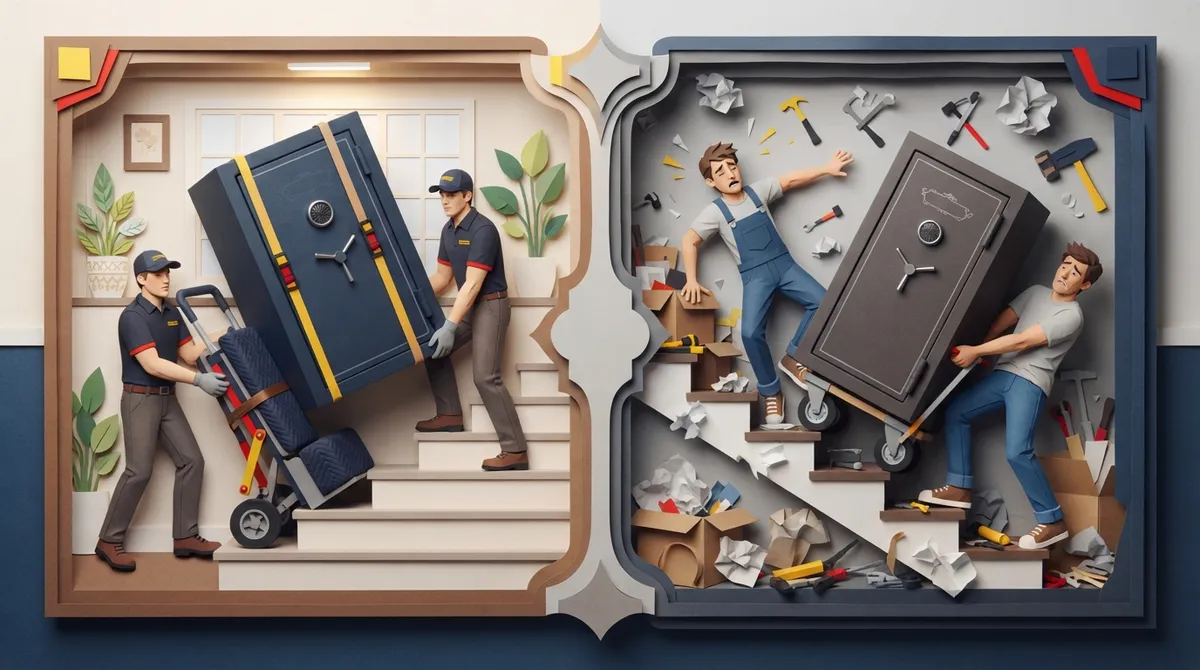
It's tempting to call a few buddies, order some pizza, and muscle that safe down the hallway. We've all been there with a couch. But a safe is a different beast. Its weight sits in an awkward, top-heavy shape, and the contents inside can shift as you tilt it.
One moving-company source recommends professional movers for safes over 300 pounds. That's a company recommendation, not a universal rule, but it's a helpful starting point. Many safes weigh far more. Some mover service pages describe units that exceed 1,000 pounds. Actual weights vary a lot by model, so check the manufacturer's specifications or weigh the unit if you can.
Here's what a professional crew typically brings to the table:
- Trained movers who understand how to control heavy, awkward loads
- Suitable dollies, ramps, or other handling equipment
- Straps and securing gear to keep the safe from shifting in the truck
- Protection for floors, walls, and doorways
If you're weighing the pros and cons of doing it yourself, our guide on how to move a gun safe without injury or damage breaks down the real risks in plain language.
2. What a Good Move Plan Looks Like
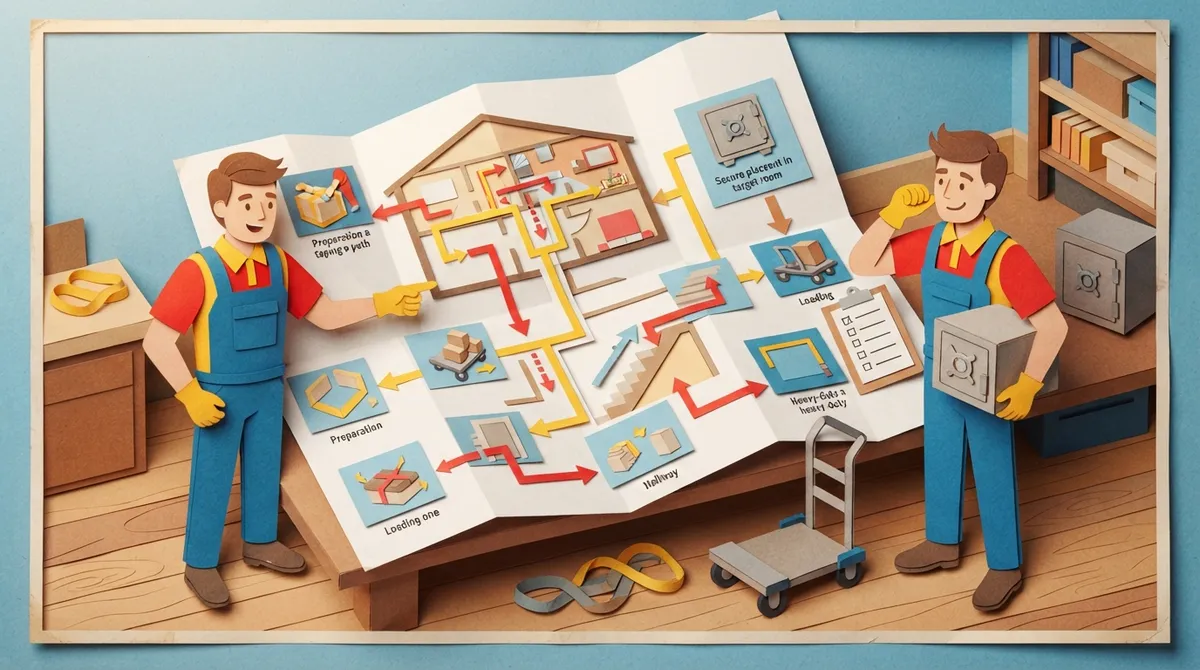
The best safe moves are won before anyone touches the safe. A solid plan accounts for the safe's weight and dimensions, the route out of your home, doorway clearances, stairs, flooring, and where the safe will end up at the new place.
Details to Share With Your Mover
When you request a quote, give your mover accurate information. Photos help a lot. Here's what to have ready:
- The make, model, and approximate weight of the safe
- Height, width, and depth measurements
- The safe's current location (basement, garage, upstairs closet)
- Number of stairs, turns, and tight doorways on the route
- Flooring types, such as tile, hardwood, or carpet
- Exactly where the safe will be placed at the new home
For unusually heavy safes, stairs, tight turns, or difficult access, a site assessment may be a smart idea. It lets the crew see the challenge in person and quote more accurately. You can learn more about what to expect in our post on what to expect from a free moving estimate.
3. Experience With Safes of Your Size Matters
Not every mover has moved a 900-pound safe up a staircase. Before you book, ask whether the company has experience with safes comparable to yours. It's a simple question, and honest companies will answer it directly.
Good follow-up questions include:
- How many crew members will handle the safe?
- What equipment will you use on stairs, if needed?
- Have you moved safes of this weight and size before?
- Who is responsible if something gets damaged?
Specialty moves are a bit of an art. If you have other bulky or delicate pieces coming along, like a piano or a pool table, it helps to hire a team that handles all of it. Our guide on how to choose specialty item movers you can trust covers what separates the pros from the rest.
4. Insurance: "Licensed and Insured" Isn't the Whole Story
Here's a tip that surprises a lot of people. Hearing that a mover is "licensed and insured" is great news, but it doesn't automatically mean your particular safe is covered. Coverage can have limits, exclusions, and special valuation terms.
Ask for these details in writing:
- Coverage limits for the safe itself
- Coverage for damage to your home, such as floors, walls, and door frames
- Any exclusions that apply to heavy or specialty items
- How the mover values a damaged item
- Any extra charges tied to the safe
It's a good idea to learn how to verify credentials before you sign anything. We walk through it in 9 ways to spot licensed and insured movers in Polk County, and our post on how to choose insured movers you can actually trust is a helpful companion read.
5. Do Movers Require the Safe to Be Empty?
Many movers require the safe to be emptied before they handle it. That keeps the weight down, protects your valuables, and avoids rattling contents that could damage the interior or shift during the move. But policies differ, so ask about it in advance rather than on moving day.
Also, don't assume a household-goods mover will carry firearms or ammunition. Many won't, and some can't. Plan separate, lawful transport for firearms, ammunition, and other regulated contents. This is a big one, and getting it right protects both you and your movers.
Quick Prep Checklist for the Safe
- Remove all firearms, ammunition, and valuables
- Take out shelves, racks, and loose accessories, and pack them separately
- Remove any dehumidifier or electronics inside
- Lock the door and note the combination or keep your key handy for later
- Clear a wide, obstacle-free path from the safe to the exit
6. Understand the Legal Side of Moving Firearms
This part isn't the fun stuff, but it's important. According to ATF guidance, a person lawfully possessing a firearm may transport or ship it interstate when changing residence. However, you must notify a moving company if firearms are being transported. State and local laws at your origin, your destination, and along the route may also apply.
Some National Firearms Act (NFA) firearms require prior ATF approval before moving across state lines. A mover's service does not replace legal compliance. If you're relocating out of Florida, double-check requirements with the ATF's firearms questions and answers and with the relevant state authorities before moving day. You can also review the underlying rule at 27 CFR § 478.28.
Quick note: this article is general information, not legal advice. When in doubt, check with the proper authorities.
7. Stairs, Tight Spaces, and Home Protection
The scariest part of any safe move is often the stairs. A heavy safe on a staircase is physics at its most unforgiving. Professional crews plan these moves carefully, often using stair-climbing equipment, extra hands, and secure strapping.
Home protection matters just as much. A good crew will cover or shield:
- Hardwood, tile, and carpet along the route
- Door frames and tight corners
- Stair edges and railings
- Garage floors and thresholds
If the thought of a bruised wall or cracked tile keeps you up at night, you're not alone. Take a peek at our post on 15 gun safe moving tips that save your floors in 2026, and our detailed read on how to move a gun safe without damaging your home.
8. Compare Written Estimates, Not Just Prices
Cost is on everyone's mind, and it should be. But the cheapest number isn't always the best deal. Prices depend on the safe's weight, how hard the access is, the distance, and how many movers are needed. A flat "tell me the price over the phone" answer without any details should raise an eyebrow.
| What to Compare | Why It Matters |
|---|---|
| Crew size | More hands means safer handling of heavy loads |
| Equipment listed | Dollies, straps, and ramps affect safety and speed |
| Access charges | Stairs, long carries, and tight turns may add cost |
| Insurance terms | Coverage limits and exclusions vary widely |
| Delivery placement | Confirms where the safe goes in your new home |
| Damage responsibility | Spells out who pays if something goes wrong |
Get everything in writing, and ask about scheduling, so there are no surprises. If you'd like a cleaner picture of how pricing works, our 2026 guide to how movers charge explains hourly rates, flat rates, and common add-ons. For tips on getting solid numbers up front, see how to get a free estimate that saves you money.
9. How to Find a Reputable Gun Safe Mover Near You
So how do you actually find the right team? Start local. Local crews know the neighborhoods, the building rules, and the tricky driveways. Look for a company that's transparent about pricing, comfortable with heavy lifting, and happy to answer your questions.
Here's a simple process you can follow:
- Gather your safe's details and take clear photos
- Request written estimates from two or three licensed movers
- Ask about experience with safes of your size
- Confirm insurance terms for the safe and your property
- Clarify the empty-safe policy and the plan for firearms
- Book early, since heavy-item moves need crews and equipment lined up
DynaMight Movers is a licensed and insured moving company serving Polk County, Florida, with local and long-distance residential moves, specialty-item handling, and heavy lifting backed by transparent pricing. If you want to hear what neighbors say, you can visit us on Google for DynaMight Movers reviews. And for more heavy-item know-how, we love our post on heavy item movers in Lakeland, plus how to move a safe or vault safely in Lakeland.
Who Benefits Most From Professional Safe Movers?
Almost anyone with a heavy safe can benefit, but a few situations make it a no-brainer:
- Retirees and seniors: Protect your back and your peace of mind by leaving the heavy lifting to the pros.
- Large families and estate owners: Big homes often have safes tucked in basements, closets, or upper floors.
- Luxury homeowners and apartment residents: High-end floors, elevators, and building rules demand extra care.
- Long-distance movers: A safe adds weight and complexity to any multi-day move.
Not sure whether a full-service crew or a labor-only team is the better fit? Our breakdown of labor services in moving can help you decide. And if you're also relocating other bulky items, you may find our pool table moving facts helpful.
Final Thoughts: Move Your Safe the Smart Way
Moving a gun safe doesn't have to be a stressful, back-straining, floor-scratching adventure. With the right gun safe moving company, a clear plan, honest insurance answers, and a little legal homework, you can move this heavy treasure with confidence. Do your research, get written estimates, plan for the firearms separately, and don't be shy about asking questions. A good mover will welcome them.
Ready to take the weight off your shoulders? Get a free estimate from DynaMight Movers, or call us at (866) 349-7719 and let's talk through your move together.
FAQs
Q: How much does it cost to hire a gun safe moving company?
A: Cost depends on the safe's weight, how many movers are needed, the distance, and how tricky the access is, like stairs or tight turns. The best way to get a real number is to share photos and measurements and ask for a written estimate. That way, you know exactly what's included before moving day.
Q: Do movers require a gun safe to be empty?
A: Many movers do require the safe to be emptied before they handle it, since it reduces weight and protects the contents. Policies vary, so ask your mover ahead of time. It's also smart to plan separate, lawful transport for any firearms and ammunition.
Q: Can a moving company transport firearms or ammunition?
A: Don't assume a household-goods mover will carry them. Many won't, and ATF guidance says you must notify a moving company if firearms are being transported. Always confirm the policy in advance and follow federal, state, and local rules.
Q: Will moving insurance cover damage to my gun safe or home?
A: It depends on the policy. "Licensed and insured" alone doesn't prove your safe is covered, so ask for coverage limits, exclusions, and valuation terms in writing. Be sure to ask about damage to your floors, walls, and doorways, too.
Q: Can movers take a gun safe up or down stairs?
A: Experienced crews often can, using the right equipment and extra hands, but it depends on the safe's weight and the staircase layout. For stairs or tight turns, a site assessment is a smart idea. Be upfront about access so your mover can plan safely.