
Key Takeaways
- Get multiple written quotes that detail every fee, service included, and cancellation terms before committing to an international mover—vague estimates are a red flag.
- Ocean freight costs $3,500-$15,000 for dedicated containers and takes 2-6 weeks, while air freight costs $3,000-$10,000 but is faster; choose based on budget and timeline needs.
- Research your destination country's customs rules for duty on used goods, restricted items, and biosecurity inspections at least 8-12 weeks before your move to avoid costly delays.
- Choose between full containers (dedicated, better for whole households) or shared containers (split costs per cubic meter, ideal for smaller apartments) based on shipment volume.
- Verify the moving company's licensing, insurance coverage, international agent network, and customer reviews—prioritize transparency over lowest price to avoid hidden fees and poor service.
- Keep essential documents, passports, and proof of ownership with you during transit, not in the shipment, and photograph valuable items before packing in case damage claims are needed.
Moving across the country is stressful enough. Now picture packing up your whole home and shipping it across an ocean. That's what an international moving company handles every day. If you're planning a move overseas, or you're helping a family member get ready for one, this guide will walk you through exactly how it works, what it costs, and what to watch out for.
Here at DynaMight Movers, we focus on local and long-distance residential moves across Lakeland, Winter Haven, Davenport, and Dover. We don't handle overseas freight ourselves, but we talk to plenty of Polk County families who are juggling both a local move and an international one for a relative or a job transfer. This article breaks down what an international moving company does, so you know what questions to ask and what to expect before you sign anything.
What Does an International Moving Company Do?
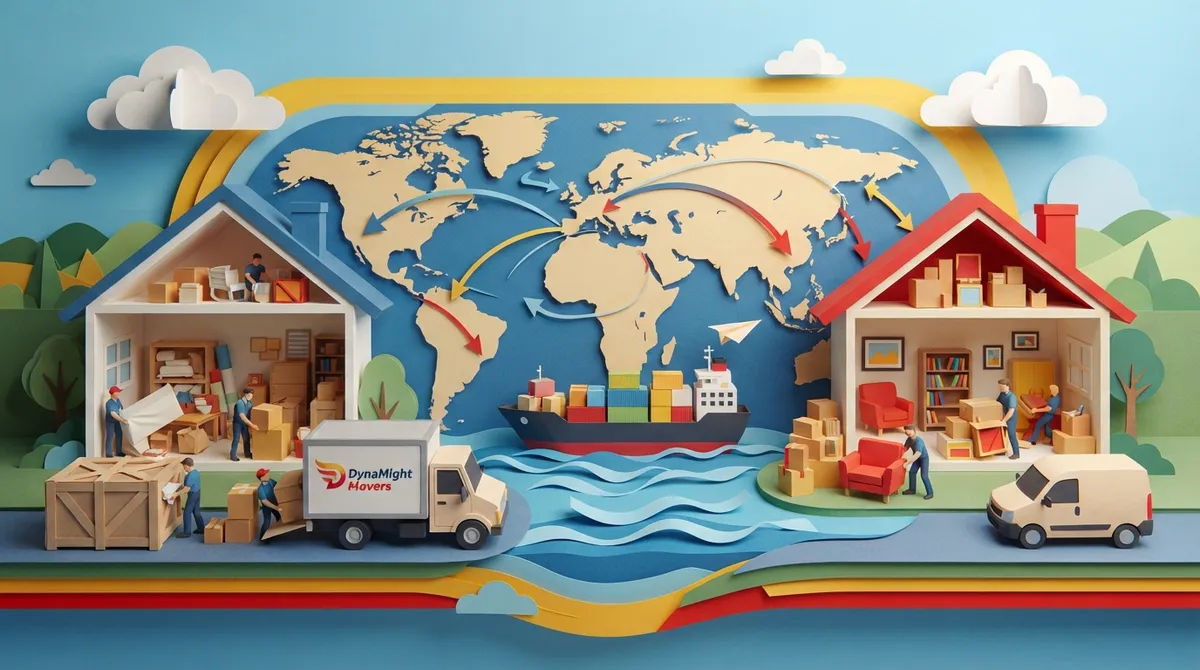
An international moving company helps you move your household goods from one country to another. That's a much bigger job than a local move. It usually includes several steps working together, not just loading a truck and driving away.
Most companies offer some mix of the following services:
- Inventorying and packing your belongings
- Pickup at your home (origin service)
- Export paperwork and documentation
- Ocean or air freight transportation
- Customs clearance at the destination
- Delivery to your new home
- Unpacking and setup
- Storage, if you need it
- Insurance or valuation coverage for your items
Not every company offers every service. Some focus only on freight forwarding, while others manage the whole process door to door. Always ask exactly what's included before you commit.
Ocean Freight vs. Air Freight: Which One Makes Sense?
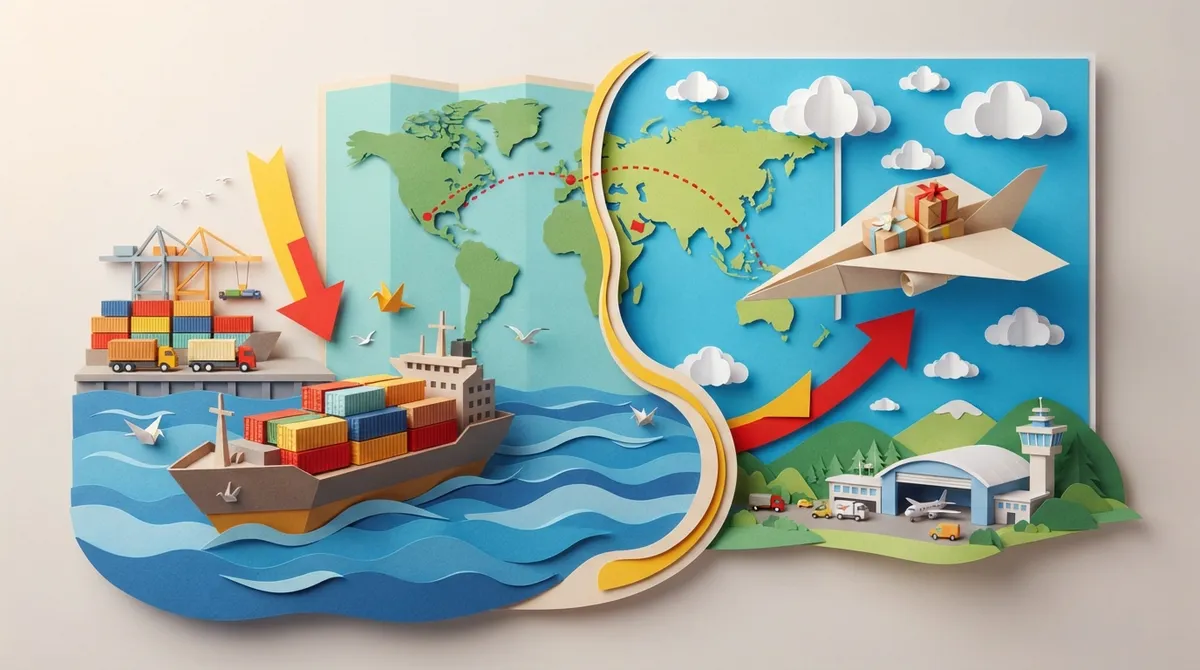
Most people moving their whole household overseas use ocean freight. It's cheaper, even though it takes longer. Air freight is fast, but it costs a lot more, so it usually only makes sense for smaller shipments or urgent moves.
Full Container vs. Shared Container
When you ship by sea, you'll usually choose between two options:
- Full Container Load (FCL): You get your own dedicated 20-foot or 40-foot container. Nobody else's stuff goes in it. This is often the better choice if you're moving a full house.
- Less-Than-Container-Load (LCL), also called groupage or shared container: Your goods share space with other shipments. You only pay for the space you use, which works well for smaller moves.
A 20-foot container holds about 33 cubic meters, though roughly 30 cubic meters is realistically usable once everything is padded and loaded. If you have a smaller apartment's worth of belongings, shared container service can save you a lot of money.
How Much Does an International Moving Company Cost?
Costs vary a lot based on how much you're shipping, where you're going, and how you're shipping it. Here's a general breakdown based on current industry estimates.
| Service Type | Estimated Cost Range |
|---|---|
| Door-to-door international move (overall) | $3,500 - $18,000 |
| 20-foot dedicated container | $3,500 - $8,000 |
| 40-foot dedicated container | $6,000 - $15,000 |
| Shared container (per cubic meter) | $70 - $200 |
| Air freight | $3,000 - $10,000 (or $8-$15 per kg) |
| Professional international packing | $500 - $1,500 |
| Port, customs, and handling charges | $300 - $800 |
These are estimates, not fixed prices. Your actual bill depends on the route, the season, how much stuff you're moving, and any extra services you add. Always get a written quote that spells out every fee before you agree to anything.
What Should Be in Your Written Quote?
A good quote should never leave you guessing. Before you sign, make sure the estimate clearly states:
- Whether it's binding or nonbinding
- The estimated volume of your shipment
- Exactly which services are included
- Pickup and delivery conditions
- Port and terminal charges
- Customs clearance fees, duties, and taxes
- Storage costs, if needed
- Packing materials and insurance or valuation coverage
- Cancellation terms
- Possible extra charges, like stairs, long carries, or off-hours delivery
If a company won't put these details in writing, treat that as a red flag. Reliable movers are upfront about pricing, whether it's an overseas move or a simple job across town, like something you'd get from a free estimate for local Polk County service.
How Long Does an International Move Take?
Timing depends on your route and the shipping method. Ocean freight generally takes longer than air freight, but it's much more affordable for full households.
- Short ocean routes often take 2-3 weeks in transit.
- Longer international routes can take 4-6 weeks.
- These estimates don't include origin handling, customs clearance, port congestion, inspections, or final delivery time.
It's smart to plan for delays. Customs holds, inspections, and paperwork issues can add days or even weeks to your timeline. Building in extra time reduces stress on both ends of the move.
Customs, Documents, and Duty Rules
Every country has its own customs rules. Some places let you bring in used household goods without paying duty or tax, but eligibility depends on things like how long you've owned the items, your visa or residency status, and your paperwork.
Common documents you'll likely need include:
- A detailed packing or inventory list
- Passport or ID documents
- Visa or residency proof, if required
- Transport and shipping documents
- Customs declarations
- Proof of ownership or purchase records for certain items
Countries with strict biosecurity rules, like Australia and New Zealand, inspect shipments closely for soil, insects, food, and plant or animal material. If inspectors find something, you could face cleaning, fumigation, or even re-export costs. It pays to know these rules ahead of time so you're not surprised by extra fees.
The moving company can help you organize documents, but you're still responsible for giving accurate information and meeting immigration requirements. For general guidance on interstate moving rules and consumer protections in the U.S., the Federal Motor Carrier Safety Administration offers helpful resources, even though international shipments involve additional players like ocean carriers and customs brokers.
What Items Can't Be Shipped Internationally?
Every country restricts certain items. While rules vary, common items that often get flagged or banned include:
- Firearms and ammunition
- Certain plants, seeds, and soil
- Perishable food
- Flammable or hazardous materials
- Some electronics with lithium batteries
- Cultural artifacts or antiques without proper documentation
Always check with your mover and the destination country's customs office before packing anything questionable. It's much easier to sort this out ahead of time than to deal with a shipment stuck at the border.
How to Choose a Reputable International Moving Company
Since this is a big financial and emotional investment, it's worth doing your homework. Here's a simple checklist to help you vet a company:
- Verify the company's identity, years in business, and licensing.
- Ask about their international agent network at your destination.
- Confirm insurance or valuation coverage terms in writing.
- Request a detailed, written estimate that spells out every fee.
- Ask how they handle disputes or damaged items.
- Check reviews from real customers, not just testimonials on their website.
The same due diligence applies close to home too. If you're comparing moving companies near downtown Lakeland for a local move, or figuring out how to spot licensed and insured movers in Polk County, the same basic principles apply: check credentials, read the fine print, and trust your gut.
When Your Move Involves Both Local and International Steps
Plenty of families don't just move overseas in one clean step. Maybe you're downsizing a home in Lakeland before a loved one relocates abroad. Or maybe you're helping pack up a parent's house in Winter Haven while coordinating international shipping separately. That's where a trusted local team becomes valuable.
DynaMight Movers handles the local side of these transitions every day. We help families in Polk County with:
- Packing and prepping homes before a big move
- Heavy lifting and specialty item handling, including antiques, pianos, and other fragile pieces
- Short-term storage while international logistics get sorted
- Transparent, upfront moving estimates with no hidden fees
If you're managing a family estate that's downsizing before someone moves abroad, our guide on choosing specialty item movers you can trust is a great next read. And if part of your family is staying local while another part moves overseas, check out our tips on choosing full service movers in Polk County.
Tips for a Smoother International Move
A few simple habits can save you a lot of headaches:
- Start planning at least 8-12 weeks before your move date.
- Get at least two or three written quotes to compare pricing and services.
- Photograph valuable items before packing, in case you need to file a claim later.
- Keep essential documents with you, not in the shipment.
- Ask about tracking, so you know where your shipment is at all times.
For more on organizing packing before any move, our article on how to pack for a move covers helpful basics that apply whether you're moving down the street or across an ocean. And if you're weighing whether to hire help at all, our comparison on hiring movers versus doing it yourself breaks down the pros and cons clearly.
Why Trust Matters More Than Price Alone
It's tempting to pick the cheapest quote you find. But with international moves, the cheapest option often comes with hidden fees, unclear customs handling, or subpar insurance coverage. A slightly higher price from a transparent, well-reviewed company usually saves you money and stress in the long run.
This is true for local moves too. Whether you're comparing tips for finding affordable movers in Polk County or vetting an overseas shipping partner, always look past the sticker price. Check licensing, read real reviews, and ask detailed questions before you commit. The Federal Trade Commission's moving guidance is a solid resource for understanding your rights as a consumer, no matter where you're headed.
How DynaMight Movers Can Help Close to Home
While we don't ship containers overseas, we're proud to be the trusted local partner for families across Polk County who are juggling big life transitions. We're licensed, insured, and available for local and long-distance residential moves within the U.S., including heavy lifting, packing help, and specialty item care.
Many of our clients are preparing a home for sale before a loved one moves abroad, or they're consolidating belongings before shipping select items overseas. We handle the heavy lifting, literally, so you can focus on the bigger picture. You can visit us on Google — DynaMight Movers to see how we've helped other families in Lakeland, Winter Haven, Davenport, and Dover through complicated moving situations.
Final Thoughts
Moving internationally is a big undertaking, but it doesn't have to feel overwhelming. Understanding the basics, ocean versus air freight, container options, customs rules, and what belongs in a written quote, puts you in control of the process. Take your time comparing companies, ask plenty of questions, and don't be afraid to walk away from a vague estimate.
If you need help with the local side of your move, whether that's packing up a house in Polk County or handling heavy furniture before a big transition, our team is ready to help. Get a free estimate today, or call us at (866) 349-7719 to talk through your moving plans with a real person who cares about getting it right.
FAQs
Q: How much does it cost to hire an international moving company?
A: It really depends on how much you're shipping and where you're headed, but most door-to-door international moves run somewhere between $3,500 and $18,000. A dedicated shipping container usually costs more than a shared container, so getting a few written quotes will help you find the best fit for your budget.
Q: What is included in an international moving quote?
A: A solid quote should spell out everything, packing, pickup, freight charges, customs fees, storage, and insurance, so you're not caught off guard later. It should also tell you whether the price is binding or nonbinding, which makes a big difference in what you'll actually pay on moving day.
Q: How long does an international household move take by sea?
A: Shorter ocean routes often take about 2-3 weeks, while longer routes can stretch to 4-6 weeks. Keep in mind these numbers don't include customs clearance or delivery, so it's smart to build in a little extra time just in case.
Q: Should I use a full container or shared-container shipping?
A: If you're moving a whole household, a dedicated full container usually makes more sense and keeps your things separate from other shipments. But if you only have a few rooms' worth of belongings, a shared container can save you a good amount of money since you only pay for the space you use.
Q: Will I have to pay customs duties or taxes on used household goods?
A: It depends on the country you're moving to and things like your residency status and how long you've owned the items. Some countries offer duty relief for used household goods, but you'll want to check the specific rules for your destination well before your move date.