
Key Takeaways
- Basic released-value mover insurance can cover far less than a piano's replacement value; one cited example of $0.60 per pound would cover only about $300 for a 500-pound piano, so get written coverage details before booking.
- Your homeowner's policy may not cover piano damage during a DIY move, so check your coverage before attempting any self-move.
- Stairs, tight turns, and narrow doorways are the most dangerous parts of a piano move; tell your mover about every obstacle up front so they bring the right crew and equipment.
- Published estimates range from about $150 to $650 for local upright piano moves, with stair charges often $40 to $100 per flight, so request a written, route-specific quote.
- Wait about six weeks before tuning a piano after a move, per Petrof's recommendation, and place it away from sunlight, windows, and vents while it adjusts to the new environment.
- Ask any mover how many upright pianos they have moved, what equipment they use, and how they plan to handle stairs; a confident, specific answer signals real piano experience.
Your upright piano has been part of the family for years. Maybe it's where your kids learned their first scales, or maybe it was passed down from a grandparent. Now you're moving, and that big, beautiful instrument is staring back at you. The big question is: do you call professional upright piano movers, or do you round up some friends and try it yourself?
It's a fair question, and we're glad you're asking it. An upright piano can weigh hundreds of pounds, and it doesn't fit through doors or around corners the way a couch does. One wrong step on a staircase can hurt people, damage floors, and harm the instrument itself.
In this friendly guide, we'll compare professional piano moving with the do-it-yourself route. We'll cover safety, cost, equipment, insurance, and what to do after delivery. Whether you're a Polk County homeowner moving across town or a family heading out of state, you'll leave with a clear answer and a game plan.
What Do Upright Piano Movers Actually Do?
Upright piano movers are specialists. They plan, protect, load, transport, and place your piano safely. That's a lot more than just lifting it onto a truck.
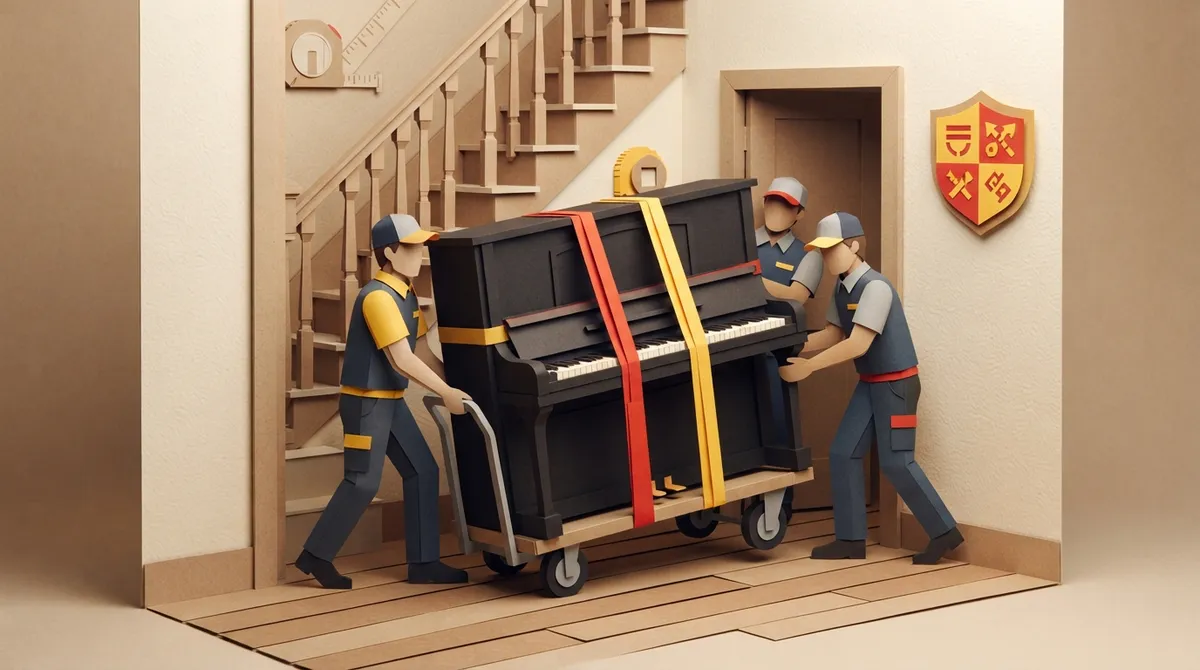
A good crew starts by looking at the piano itself. They check its size and weight. Then they walk the route from where it sits now to the truck, and from the truck to its new spot. They watch for stairs, tight turns, narrow doorways, elevators, and uneven paths.
That planning step is what separates the pros from a group of helpful friends. Surprises on moving day are what cause damage, so the best movers try to find those surprises before the truck arrives.
The Equipment Pros Bring
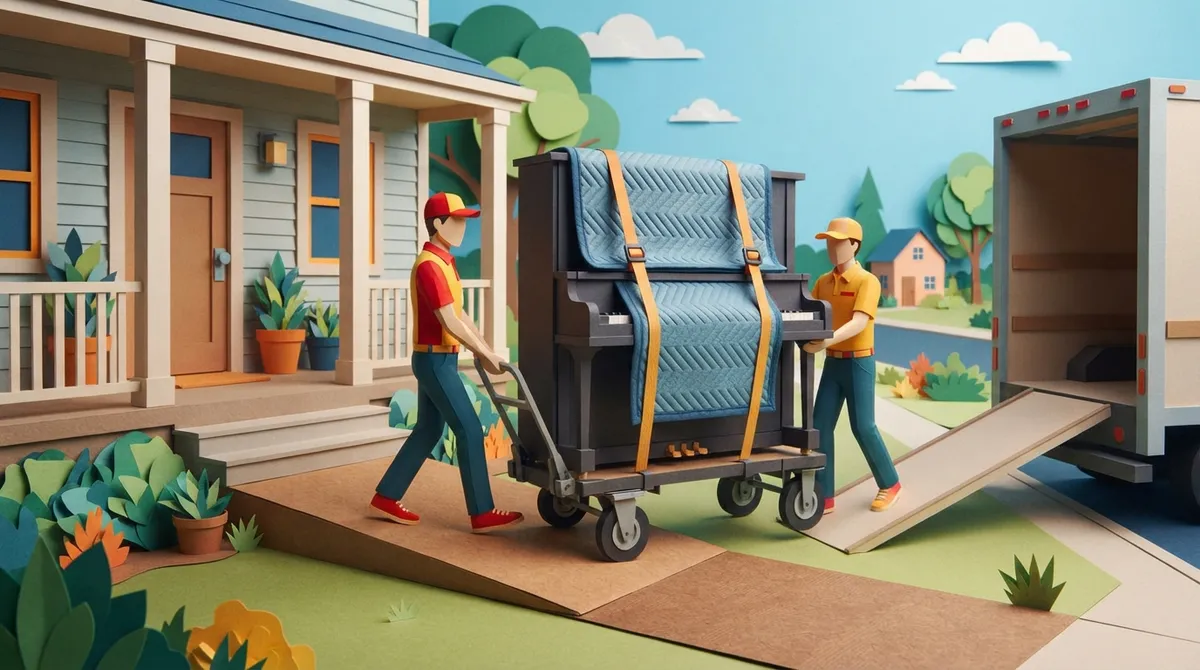
Professional crews show up with gear built for the job. Typical equipment includes:
- A piano-rated dolly or stair-climbing equipment
- Heavy-duty straps to hold the piano steady
- Moving blankets and padding to protect the finish
- Ramps or a liftgate for safe loading
- A suitable truck sized for the move
Crew size matters too. There's no single number that fits every move. Some sources note that certain piano jobs need three to five movers, depending on the piano, the route, and the obstacles. A good mover decides this after assessing your specific situation.

Pro Movers vs. DIY: The Side-by-Side Comparison
Let's put the two options head to head. This quick table shows how they stack up on the things that matter most.
| Factor | Professional Upright Piano Movers | DIY Move |
|---|---|---|
| Safety for people | Trained crew, proper lifting methods | High risk of strain and injury |
| Safety for the piano | Padding, straps, and piano-rated dolly | Higher risk of scratches, shifts, and internal damage |
| Safety for your home | Floor and door protection plans | Risk of dings, gouges, and scuffed walls |
| Equipment | Included with the service | You rent or buy it, and you must know how to use it |
| Stairs and tight spaces | Planned and handled with the right tools | Often the most dangerous part of the move |
| Insurance | Ask for written coverage details | Your homeowner's policy may not cover it |
| Upfront cost | Higher, but predictable with a written quote | Lower on paper, but hidden risks add up |
On paper, DIY looks cheaper. But once you count the rental gear, the lost weekend, and the chance of a costly mistake, the gap shrinks fast.
The Safety Question: Why Pianos Are Different
Pianos aren't like other furniture. Their weight sits unevenly, and the body is tall and top-heavy. Inside, there are thousands of delicate parts, from the strings to the soundboard to the action.
A bump that wouldn't bother a dresser can knock a piano out of alignment or crack something you can't see. And because the instrument is so heavy, a slip can seriously hurt the people carrying it.
Common Ways DIY Piano Moves Go Wrong
- Stairs: A single stumble can send the piano down the steps with people underneath it.
- Tight turns: Hallways and doorways that look wide enough often aren't.
- Wrong dolly: A regular furniture dolly may not support the piano's weight or shape.
- Poor straps: A piano that shifts in the truck can crash into walls or other items.
- Floor damage: Heavy wheels and dragging can gouge hardwood, tile, and carpet.
If you're curious about the bigger picture of getting this right, our guide on how to move a piano safely without costly damage goes deeper into the how-to side.
What Does It Cost to Hire Upright Piano Movers?
Let's talk money, because that's often what pushes people toward DIY. Published estimates vary a lot, which is why a generic price tells you very little.
HomeAdvisor's 2025 cost guide reported local upright or spinet piano moves at roughly $150 to $300, with long-distance moves at about $500 to $800. Another published guide listed a broader local range of about $150 to $650, with stair charges often estimated at $40 to $100 per flight.
These are published estimates, not set rates. Your actual quote depends on your specific route and service details.
What Affects Your Quote
- Piano size and weight: Bigger, heavier instruments take more crew and more care.
- Travel distance: Local moves cost less than long-distance ones.
- Stairs: Each flight can add to the price.
- Carry distance: A long walk from the door to the truck adds time.
- Access difficulty: Tight turns, narrow doors, and elevators change the plan.
- Crew and equipment needs: More movers or special gear means a higher price.
- Special handling: Extra packing or protection can add cost.
Because so many factors play in, the smartest step is a written, route-specific estimate. If you want to understand how pricing works across the whole industry, check out our 2026 pricing guide on how movers charge.
Insurance: The Part Most People Forget
Here's where the comparison gets serious. If something goes wrong during a DIY move, you're on your own. Your homeowner's policy may not cover damage to a piano or to the home during a self-move, so check before you try it.
With professional movers, coverage exists, but the details matter. Basic released-value protection can be far below your piano's actual replacement value. One moving-industry source cited a standard example of just $0.60 per pound. At that rate, a 500-pound piano would be covered for only about $300, which likely wouldn't come close to replacing it.
Coverage terms vary by mover, contract, and applicable regulations. So before you book, ask for written confirmation of what's covered for both the piano and your property. It also helps to know how to tell a legitimate company from a risky one, and our article on 9 ways to spot licensed and insured movers in Polk County walks you through exactly that.
How to Prepare Before the Movers Arrive
Good prep makes moving day smoother and can even help keep your quote accurate. Here's a simple step-by-step plan.
- Measure everything. Check doorways, hallways, and turns along the route against the piano's size.
- Clear the path. Move rugs, furniture, and decor out of the way.
- Tell the mover about stairs and access. Mention stairs, tight spots, and any restrictions up front.
- Share your piano details. Give the make or model if you know it.
- Check building rules. Apartment and luxury building managers may require advance scheduling or proof of insurance.
- Confirm elevator access. If there's an elevator, reserve it for moving day.
If you're moving into a high-end apartment, that building coordination step is especially important. Our apartment movers in Polk County page covers what to expect there.
Can Regular Movers Handle an Upright Piano?
Many full-service moving companies can move an upright piano, but not all of them have the experience or the right equipment. A regular household crew that normally moves couches and boxes may not know how to protect a piano or handle it on stairs.
That's why it pays to ask direct questions. How many upright pianos has the crew moved? What equipment will they use? What's their plan for the stairs? A confident, specific answer is a great sign.
For a deeper look at this, see our guide on how to choose specialty item movers you can trust. And if you're hunting locally, our piano movers Lakeland tips are a handy read.
Who Benefits Most From Hiring Pros?
Honestly, almost everyone does. But a few situations make professional help especially worthwhile:
- Retirees and seniors: Heavy lifting isn't worth the injury risk. If this sounds like you or a loved one, see our list of senior moving services in Polk County.
- Family estate owners: Large homes often mean long carries, multiple levels, and other bulky pieces moving at the same time.
- Luxury homeowners and apartment residents: Protecting floors, walls, and shared spaces matters, and buildings often require insured movers.
- Long-distance movers: A piano riding in a truck for hundreds of miles needs proper strapping and padding.
- Valuable or sentimental pianos: If it's an heirloom or an expensive instrument, the risk of DIY simply isn't worth it.
When DIY Might Make Sense
We want to be fair here. There are rare cases where a self-move could work. Maybe you're moving a light piano a short distance, on one level, with no stairs, and you have several strong helpers and proper equipment.
Even then, you're taking on all the risk. For most families, the savings are small compared to the possible cost of an injury, a damaged piano, or a repaired floor. If any stairs or tight turns are involved, we strongly recommend calling a professional.
After the Move: Caring for Your Piano
Your job isn't quite finished when the piano is in the new room. A few simple steps protect your instrument for the long run.
- Pick a stable spot. Place it indoors, away from direct sunlight, windows, and heating or cooling vents.
- Let it settle. Pianos react to changes in temperature and humidity, so give it time to adjust.
- Wait before tuning. One manufacturer, Petrof, recommends waiting about six weeks before tuning. That's a manufacturer recommendation, and timing can vary with your climate and the piano's condition.
Florida's humidity can be tough on pianos, so choose a room with steady air conditioning and avoid damp spots like garages or screened porches.
The Verdict: Which Wins?
For safety, protection, and peace of mind, professional upright piano movers win. DIY might save a little money upfront, but it puts you, your helpers, your home, and your piano at real risk. When you add the cost of rental gear and the chance of a costly mistake, the savings often disappear.
That said, the best choice is the one that fits your piano, your route, and your comfort level. Get a written, route-specific quote and ask clear questions about coverage. That one step puts you in control.
At DynaMight Movers, we're a licensed and insured moving company serving Polk County, including Lakeland, Winter Haven, Davenport, and Dover. We handle specialty items and heavy lifting with care, and we believe in transparent pricing with no hidden fees. Curious what our neighbors think? You can visit us on Google and read what DynaMight Movers customers say.
Ready to protect your piano and skip the stress? Get a free estimate today, or call us at (866) 349-7719 to talk through your move. We'd love to help your piano arrive safe, sound, and ready to play.
FAQs
Q: How much does it cost to hire upright piano movers?
A: Published estimates put local upright piano moves at around $150 to $650, and long-distance moves at roughly $500 to $800. Your price depends on the piano's weight, stairs, distance, and access, so a written, route-specific quote is the best way to know your real cost.
Q: Can upright piano movers handle stairs and narrow hallways?
A: Yes, experienced crews plan for stairs and tight spaces ahead of time using piano-rated dollies, straps, and padding. Be sure to tell your mover about every staircase and tight turn up front so they can bring the right crew and equipment.
Q: How long should I wait to tune my piano after a move?
A: One manufacturer, Petrof, recommends waiting about six weeks so the piano can adjust to its new environment. Timing can vary with your climate and the piano's condition, so ask your technician what works best for yours.
Q: What insurance should I ask piano movers about?
A: Ask for written details on what coverage applies to both the piano and your property. Basic released-value coverage can be far below your piano's replacement value, so it's worth confirming the limits before you book.
Q: Can a regular moving company move an upright piano?
A: Many can, but experience matters a lot. Ask how many upright pianos the crew has moved, what equipment they'll use, and how they'll handle stairs so you can feel confident in their plan.