

Key Takeaways
- Professional movers in Lakeland cost roughly $372 to $3,238 versus $149 to $1,295 for a DIY rental truck, but hidden DIY costs like fuel, supplies, insurance, and helpers can narrow the gap.
- Florida movers must carry at least $10,000 in cargo liability coverage per incident, but compensation may be only 60 cents per pound per article, so ask about extra coverage for valuables.
- Verify any Lakeland mover's FDACS registration using the FDACS Business License Lookup, since intrastate movers must register every two years.
- Get at least three written, itemized estimates, preferably after an in-person or video inspection, and read the contract for liability limits and payment terms.
- A hybrid labor-only option lets you rent the truck yourself while hiring a crew to load and unload, keeping some savings while skipping the heaviest work.
- Book early for late May through August, Lakeland's busy moving season, and allow two to six weeks of planning time.
Picture this: it's a sticky Saturday in Lakeland, the sun is blazing, and you're standing in a driveway staring at a rental truck and a couch that suddenly looks twice as heavy as it did yesterday. Sound familiar? Choosing between moving services vs self moving in Lakeland is one of the biggest decisions you'll make when you relocate, and it deserves a little honest thought.
The good news is that there's no wrong answer for everyone. Some folks love a hands-on DIY adventure. Others would rather sip sweet tea while a trained crew does the heavy lifting. Most people land somewhere in the middle.
In this guide, we'll walk through real costs, hidden expenses, time, safety, and Florida-specific tips. By the end, you'll know which path fits your home, your budget, and your back. Let's get you moving with confidence.
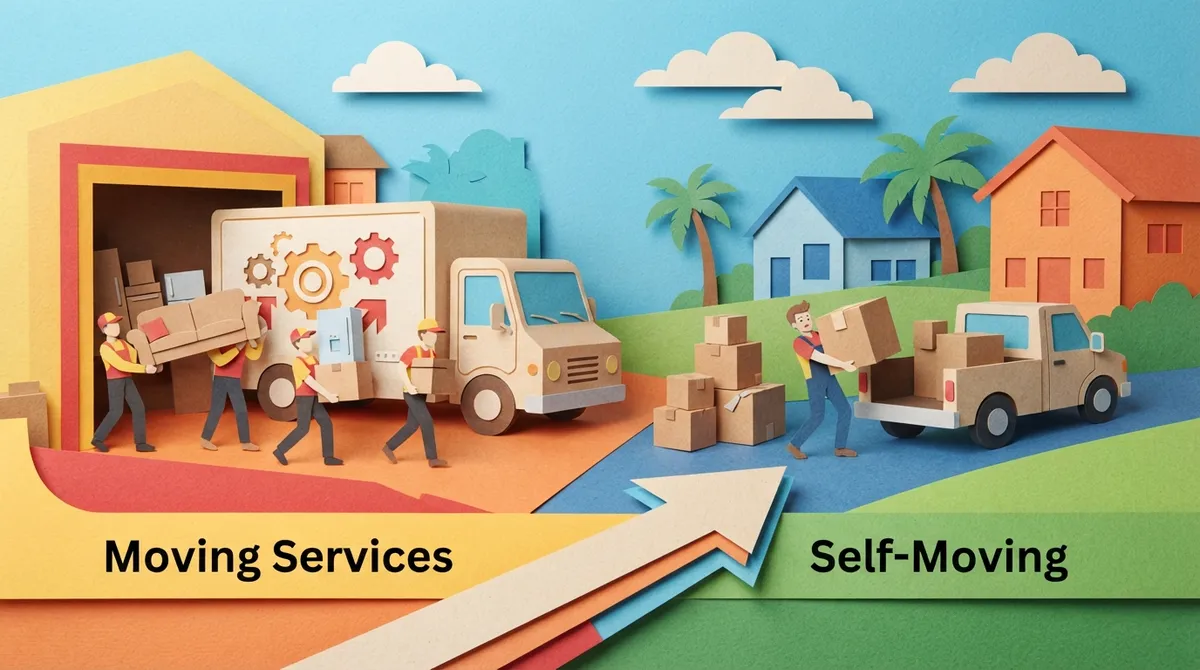
What Do We Mean by Moving Services and Self Moving?
Before we compare, let's make sure we're speaking the same language. The two options work very differently.
Professional Moving Services
With a professional mover, a crew handles loading, transport, and unloading. You pick the date, they bring the truck, the equipment, and the muscle. Many companies also offer packing, furniture assembly, and storage. If you want to see what that looks like in practice, check out what full service moving in Lakeland really includes.
Self Moving
With a self move, you do almost everything. You reserve the truck or container, pack your belongings, load the heavy stuff, drive, and unload on the other end. You're the project manager, the driver, and the crew.
The Hybrid Option
There's also a handy middle road. You rent the truck yourself but hire help for loading and unloading. This is often called labor-only moving, and it can cut down the sweatiest part of the job. You can learn more in our guide to labor services in moving.
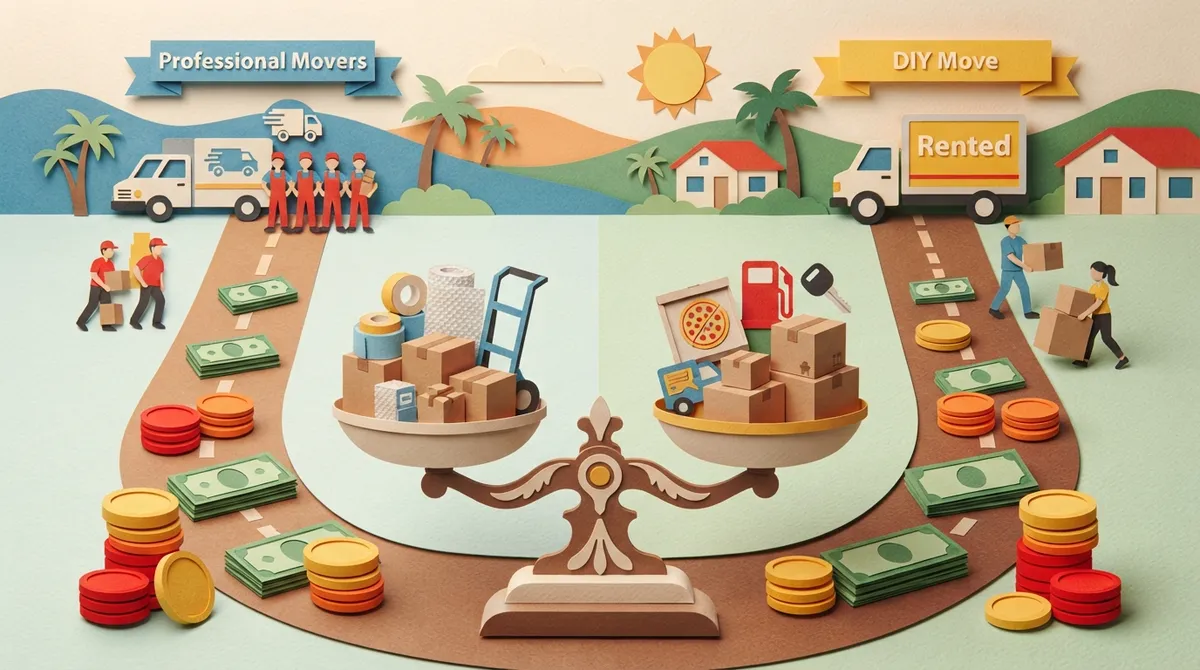
The Cost Showdown: What Will You Really Pay?
Money is usually the first question, so let's tackle it head-on. According to a current Lakeland cost guide from moveBuddha, local move estimates look roughly like this. Keep in mind these are estimates, not guaranteed quotes.
| Moving Method | Estimated Local Cost Range | What You Do |
|---|---|---|
| Full-service movers | $372 to $3,238 | Little to none |
| Rental truck (DIY) | $149 to $1,295 | Packing, loading, driving, unloading |
| Moving container | $137 to $759 | Packing, loading, unloading |
One Lakeland mover comparison also reports an average local rate of about $95 per hour for a two-person crew. Rates and included services vary by provider, so always get the details in writing.
At first glance, DIY looks like the clear winner on price. But that's only the starting line. For a deeper look at pricing, see how much moving costs in Polk County, FL in 2026.
The Hidden Costs of Self Moving
Here's where many DIY budgets quietly fall apart. The base rental price rarely tells the whole story. Before you commit, add up these extras:
- Fuel and mileage: Moving trucks are thirsty, and per-mile fees can add up fast.
- Packing supplies: Boxes, tape, bubble wrap, and furniture pads cost more than most people expect.
- Insurance or damage coverage: Rental coverage is often an extra charge.
- Equipment: Dollies, ramps, and straps may not be included.
- Possible storage or tolls: Delays happen, and Florida tolls are real.
- Your time: A weekend of lifting is a weekend you can't spend on anything else.
- Helper costs: Pizza and drinks for friends is a classic hidden expense.
Add it all up, and the gap between DIY and professional help often shrinks. Our comparison of truck rental vs. movers breaks this down even further.
What Affects the Price of Hiring Movers?
Professional pricing isn't random. Several factors shape your final number:
- Home size: More rooms usually means more crew time.
- Distance: A cross-town hop costs less than a long haul.
- Crew size and move duration: More hands finish faster, but the hourly total changes.
- Access conditions: Stairs, elevators, and long carries add effort.
- Add-ons: Packing, storage, and specialty items change the quote.
Because of these variables, don't rely on a single advertised hourly rate. Ask for a written, itemized estimate instead. Not sure how pricing works? Here's a friendly walkthrough of how movers charge in 2026.
Time, Effort, and Your Body
Let's be honest about the part nobody likes to talk about. Moving is physical work. Really physical.
When you self move, you take on packing, lifting, driving a big truck, finding parking, and coordinating the schedule. A typical household has dozens of heavy items, from mattresses to dressers to appliances. One wrong lift can turn moving day into a trip to urgent care.
Professional crews do this every day. They know how to wrap, lift, pivot, and load safely. For tips on protecting your body either way, read these heavy lifting moving tips.
Protecting Your Belongings: Damage and Liability
Nobody wants to unwrap Grandma's china and hear a rattle. So what happens if something breaks?
When you move yourself, any damage is on you. There's usually no one to file a claim with unless you bought special coverage.
With a Florida mover, there are some built-in protections. According to the Florida Department of Agriculture and Consumer Services (FDACS), movers must carry cargo legal-liability coverage of at least $10,000 per incident. They must also disclose their liability limits. The statutory limitation may be no less than 60 cents per pound per article. That means a heavy but valuable item, like a television, may be covered for far less than it's worth.
The smart move is to ask what protection applies and whether extra coverage makes sense for your valuables. Our guide on choosing insured movers can help you ask the right questions.
Moving Services vs Self Moving in Lakeland: Side-by-Side
Here's a quick snapshot to help you weigh the two options at a glance.
| Factor | Professional Movers | Self Moving |
|---|---|---|
| Upfront cost | Higher | Lower on paper |
| Physical effort | Minimal for you | Very high |
| Time required | Shorter for you | Often a full weekend or more |
| Damage protection | Built-in coverage with limits | Mostly on you |
| Specialty items | Trained handling | Risky without experience |
| Flexibility | Set by schedule | Total control |
| Stress level | Low | Moderate to high |
Neither column wins every time. It really depends on what you value most. For another angle on this question, see hiring vs. DIY in Polk County.
Who Should Hire Professional Movers?
Hiring help tends to make the most sense in these situations:
- Large family homes and estates: Bulky furniture and lots of rooms add up fast.
- Retirees and seniors: Heavy lifting isn't worth the risk to your health. See senior moving services Lakeland families trust.
- Luxury apartment residents: Elevators, loading docks, and strict building rules call for experience.
- Owners of specialty items: Pianos, antiques, gun safes, and pool tables are tricky. Check out how to choose specialty item movers.
- Long-distance movers: Driving a big truck hundreds of miles is exhausting. Learn more about long distance movers in Lakeland.
Who Might Be Happy Self Moving?
DIY can work beautifully for the right person. It's a good fit if you:
- Live in a small apartment or studio with few big items
- Have a flexible schedule and a few strong, reliable friends
- Are moving a short distance across town
- Enjoy planning and don't mind a workout
- Have a tight budget and plenty of time
If that sounds like you, great! Just plan carefully. You may also want to look at DIY moves versus local moving companies before you decide.
Try the Hybrid Approach: Labor-Only Help
Can't decide? Here's a secret many savvy movers use. Rent the truck, handle the packing, and hire a crew to load and unload. You keep some of the DIY savings, but you skip the most punishing work.
This approach shines when you have a few heavy pieces, a tight timeline, or a hot Florida afternoon on the calendar. You can read more about this option in things to know about labor-only moving services.
Lakeland-Specific Tips for Either Choice
Moving in Central Florida comes with its own quirks. Keep these local details in mind:
- Confirm truck parking at both addresses. Tight streets and HOA rules can slow everything down.
- Reserve early during busy periods. FDACS identifies late May through August as a typically busy moving season.
- Plan around the heat and rain. Start early in the morning, drink plenty of water, and keep tarps handy for afternoon storms.
- Give yourself time. FDACS recommends allowing about two to six weeks to plan and prepare.
- Check access. Stairs, narrow doors, and long carries can change your plan.
For help picking your date, see when to schedule a move for the best results.
How to Vet a Lakeland Mover the Smart Way
If you decide to hire help, a little homework goes a long way. Florida requires companies moving household goods within the state to register with FDACS. Intrastate movers register every two years, so confirm the company's registration is current.
Here's a simple checklist:
- Verify registration using the FDACS Business License Lookup on the FDACS Moving Companies page.
- Get at least three written estimates. FDACS recommends comparing multiple movers.
- Ask for an in-person or video inspection so the estimator sees your items.
- Read the contract. It should list the mover, addresses, dates, itemized services and charges, and payment terms.
- Ask about liability limits and whether extra coverage is available.
- Check reviews and claims handling to see how they treat customers when things go wrong.
For more tips, read how to spot licensed and insured movers in Polk County. You can also review the state's official advice on moving within Florida.
A Quick Decision Guide
Still on the fence? Ask yourself these questions:
- Do I have more than a one-bedroom's worth of belongings?
- Do I own anything heavy, fragile, or valuable?
- Is anyone in my household unable to lift safely?
- Am I short on time or already stressed?
- Would damage to my belongings upset me more than the cost savings help me?
If you answered yes to two or more, professional help is probably worth a serious look. If you answered no to most of them, a DIY or hybrid move could be a great fit.
Make Your Move Feel Lighter
At the end of the day, the best move is the one that fits your life. Self moving can save money when your home is small and your schedule is open. Professional moving services can save your back, your time, and your sanity when the stakes are higher. And the hybrid option gives you a happy middle ground.
If you'd like a no-pressure look at what a pro move would cost, get a free estimate from DynaMight Movers. We're a licensed and insured team serving Lakeland and all of Polk County, with transparent pricing and careful handling of everything from sofas to specialty pieces. You can also see what our DynaMight Movers customers say on Google or simply call us at (866) 349-7719 to talk it through. Whatever you choose, we're cheering you on!
FAQs
Q: Is it cheaper to hire movers or rent a moving truck in Lakeland?
A: A rental truck usually looks cheaper on paper, with local DIY estimates around $149 to $1,295 versus about $372 to $3,238 for full-service movers. But once you add fuel, mileage, supplies, insurance, and your time, the gap often shrinks. Comparing the complete cost is the best way to see which one truly saves you money.
Q: How can I check whether a Lakeland moving company is registered in Florida?
A: Florida requires companies moving household goods within the state to register with the Florida Department of Agriculture and Consumer Services (FDACS). You can look up a company using the FDACS Business License Lookup. It's also smart to confirm their insurance and read recent reviews before you book.
Q: What extra costs should I expect when moving myself with a rental truck?
A: Beyond the base rental price, plan for fuel, mileage fees, packing supplies, equipment like dollies, and damage coverage. You may also face tolls, possible storage, and the cost of feeding friends who help. Adding these up early keeps your budget from getting any surprises.
Q: Should I hire movers just for loading and unloading?
A: It can be a great idea! Hiring labor-only help lets you keep some DIY savings while skipping the heaviest, hottest work. It's especially helpful for large furniture, stairs, and tight schedules.
Q: How far in advance should I book movers in Lakeland?
A: FDACS recommends allowing about two to six weeks to plan and prepare for a move. Late May through August is a typically busy season, so booking early during those months helps you get the date you want.