
Key Takeaways
-
Start packing early by decluttering and sorting items 8 weeks before moving, donating or selling things you no longer need.
-
Gather essential packing supplies like sturdy boxes in multiple sizes, quality packing tape, bubble wrap, and markers before beginning.
-
Pack systematically room-by-room, starting with least-used spaces like storage areas and guest rooms, and labeling boxes clearly with contents and destination.
-
Use proper packing techniques for fragile items like dishes and glassware – wrap individually, pack vertically, and use plenty of cushioning material.
-
Create an essentials box with important documents, medications, chargers, and first-night necessities that travels with you, not on the moving truck.
-
Protect furniture by disassembling large pieces, wrapping surfaces in furniture blankets, and removing contents from drawers before moving.
-
Keep valuables, important documents, and irreplaceable items with you during the move instead of packing them on the moving truck.
Moving to a new home should feel exciting. Instead, most people feel overwhelmed the moment they start packing. Boxes pile up, fragile items break, and you can’t find anything you need. The good news? Packing doesn’t have to be chaotic. With the right approach, you can protect your belongings and stay organized from start to finish.
This guide walks you through every step of packing for a move. You’ll learn what supplies you need, how to pack each room efficiently, and how to avoid the mistakes that cause stress on moving day. Whether you’re moving across town or across the country, these tips will help you pack like a professional.
Let’s turn your packing process from overwhelming to manageable. You deserve a move that goes smoothly, and it starts with smart packing.
Why Proper Packing Matters More Than You Think
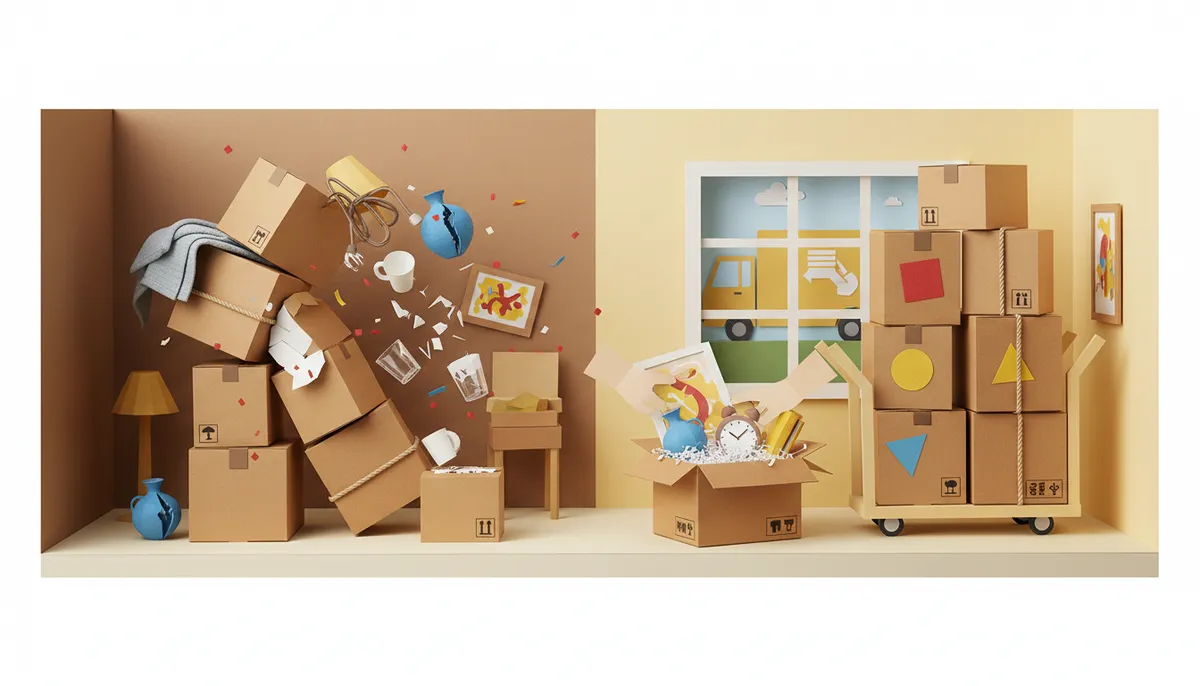
Bad packing costs you money and peace of mind. Broken dishes, damaged furniture, and lost items create unnecessary stress. When you pack correctly, you protect what matters most to you. You also make unpacking faster and easier in your new home.
Professional movers see the difference every day. Homes packed with care move faster and safer. Items arrive intact, and families settle in quickly. When you skip the proper packing steps, you risk damage and delays that could have been prevented.
The time you invest in packing pays off when you open boxes in your new home. Everything has a place, nothing is broken, and you can find what you need right away. That’s the goal we’re working toward together.
Essential Packing Supplies You Actually Need
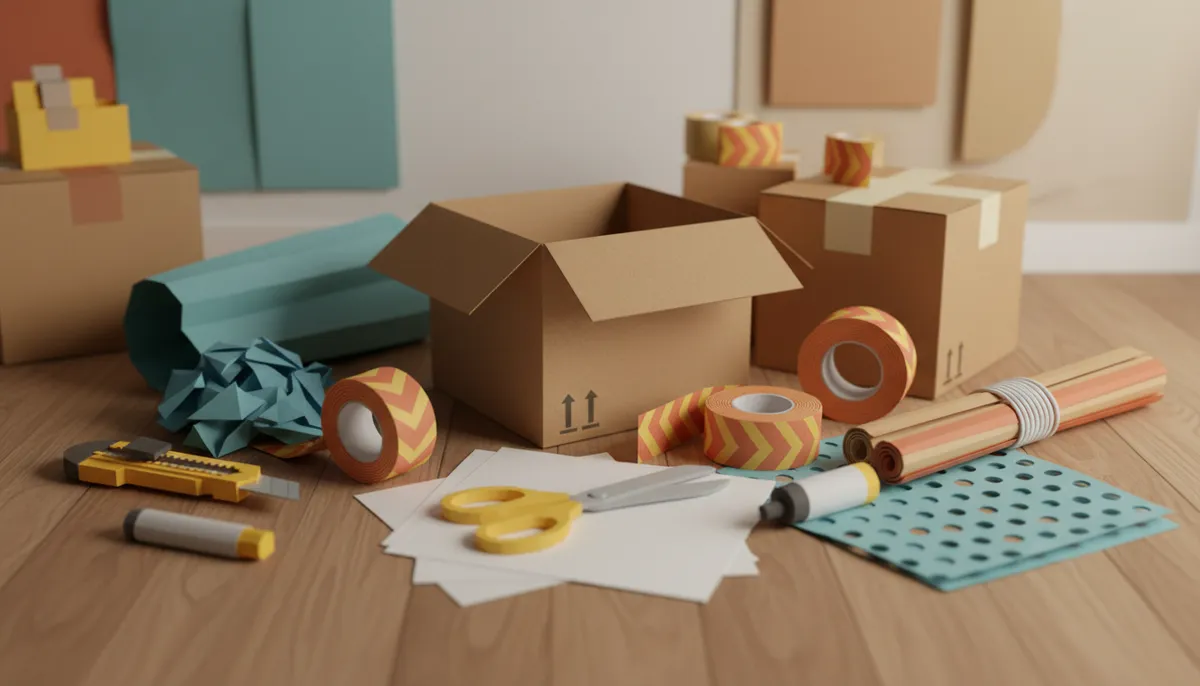
Before you pack a single item, gather the right supplies. Running out of boxes halfway through packing creates frustration and delays. Stock up on these essentials before you start.
Boxes and Containers
You need different box sizes for different items. Small boxes work best for heavy items like books and kitchen gadgets. Medium boxes handle most household items. Large boxes are perfect for lightweight, bulky items like pillows and linens.
Don’t use damaged boxes or boxes that smell musty. Your belongings deserve better. Get sturdy, clean boxes that can handle the weight. You can buy boxes from moving supply stores or ask local retailers if they have extras.
- Small boxes (1.5 cubic feet) for books, canned goods, and tools
- Medium boxes (3 cubic feet) for kitchen items, toys, and electronics
- Large boxes (4.5 cubic feet) for bedding, pillows, and lampshades
- Wardrobe boxes for hanging clothes that you want to keep wrinkle-free
- Dish pack boxes with extra-thick walls for fragile kitchen items
Protective Materials
Bubble wrap and packing paper protect your valuables during transport. Never use newspaper because the ink transfers to your items. Invest in clean packing paper or use towels and linens as padding.
Foam sheets work great for protecting furniture surfaces and mirrors. Furniture blankets prevent scratches on wood pieces. These supplies cost less than replacing damaged items.
- Bubble wrap for fragile items and glassware
- Packing paper for wrapping dishes and filling empty spaces
- Foam sheets for flat surfaces like mirrors and artwork
- Furniture blankets for protecting large pieces
- Stretch wrap for keeping drawers closed and protecting upholstery
Tools and Tape
Quality packing tape makes a huge difference. Cheap tape fails, and boxes fall apart. Get heavy-duty packing tape and a tape dispenser. Your hands will thank you after taping dozens of boxes.
Keep scissors, markers, and box cutters handy. Label every box clearly with its contents and destination room. This simple step saves hours during unpacking.
- Heavy-duty packing tape (at least 2 inches wide)
- Tape dispenser for faster, easier application
- Permanent markers for labeling boxes
- Box cutter or scissors for opening boxes safely
- Color-coded labels or stickers for room organization
Create a Packing Timeline That Works
Trying to pack everything in one weekend leads to chaos. Start early and work room by room. This approach keeps you organized and reduces stress.
Eight Weeks Before Moving
Begin by decluttering your home. Go through every room and decide what stays and what goes. Donate items you haven’t used in a year. Sell valuable items you no longer need. Throw away broken or worn-out things.
This is the perfect time to get a free estimate from professional movers. Knowing your moving costs early helps you budget and plan.
Six Weeks Before Moving
Order your packing supplies so they arrive with plenty of time to spare. Start packing items you rarely use, like seasonal decorations, extra linens, and books. Label each box with its contents and destination room.
Pack one room at a time instead of grabbing random items from different areas. This method keeps you organized and makes unpacking logical.
Four Weeks Before Moving
Pack your guest rooms, storage areas, and garage. These spaces contain items you can live without for a month. Keep packing systematically, one room at a time.
Take photos of electronic setups before disconnecting them. You’ll appreciate these photos when setting up your entertainment system in the new house.
Two Weeks Before Moving
Pack most of your kitchen, leaving only essentials for daily use. Pack artwork, decorations, and non-essential items from living areas. Keep one set of dishes, cups, and utensils for each family member.
Confirm your moving date with your moving company. If you’re using local moving services, verify the time and any special instructions.
One Week Before Moving
Pack everything except daily essentials. Your home should look almost empty at this point. Pack a suitcase with clothes and toiletries for the first few days in your new home.
Clean out your refrigerator and use up perishable food. Defrost your freezer if you’re moving it.
Moving Day
Pack your essentials box last. This box travels with you, not on the moving truck. Include important documents, medications, phone chargers, and anything you’ll need immediately.
Do a final walkthrough to check for forgotten items in closets, cabinets, and storage spaces.
Room-by-Room Packing Strategy
Each room presents unique packing challenges. Here’s how to tackle every space in your home efficiently.
Kitchen Packing
The kitchen takes the most time to pack. Start with items you rarely use, like special occasion dishes and small appliances. Wrap each plate individually with packing paper and stack them vertically in boxes, not flat.
Pack glasses and mugs with paper stuffed inside for protection. Wrap the outside with bubble wrap and pack them snugly in boxes. Fill empty spaces with crumpled paper to prevent shifting.
For pots and pans, nest smaller items inside larger ones. Put packing paper between them to prevent scratches. Pack lids separately or stack them together wrapped in paper.
- Empty and clean all cabinets and drawers before packing
- Pack heavy items like canned goods in small boxes to keep weight manageable
- Use dish pack boxes for fragile items like glassware and china
- Label boxes as “Fragile” and “This Side Up” to ensure careful handling
- Pack a box of kitchen essentials to use on your first night
Bedroom Packing
Pack off-season clothes first. Fold or roll clothes to save space and prevent wrinkles. Use wardrobe boxes for hanging clothes you want to keep crisp. These boxes have a metal bar for hangers.
Empty dresser drawers before moving. Dressers are heavy enough without clothes inside. Pack drawer contents in boxes or bags and label them by dresser and drawer.
Wrap jewelry in soft cloth and pack it in a small box. Keep valuable jewelry with you during the move instead of putting it on the truck.
- Use vacuum-seal bags for bulky items like comforters and winter coats
- Pack shoes in their original boxes or wrap them in paper
- Roll delicate fabrics to prevent creasing
- Pack a separate bag with several days of clothes for your new home
Living Room and Family Room Packing
Wrap electronics in their original boxes if you kept them. If not, wrap them in bubble wrap and pack them in appropriate-sized boxes. Take photos of cable connections before unplugging anything.
Remove batteries from remotes and small electronics. Pack remotes with their corresponding devices.
Wrap picture frames and mirrors in bubble wrap and mark boxes as fragile. Stand them upright in boxes, never lay them flat. Use foam sheets between glass items for extra protection.
- Disconnect and label all cables and cords with tape
- Pack books flat to prevent spine damage
- Wrap decorative items individually and pack tightly to prevent movement
- Use furniture blankets to protect coffee tables and entertainment centers
Bathroom Packing
Throw away expired medications and old cosmetics. Pack toiletries in sealed plastic bags to prevent leaks. Put the sealed bags in boxes lined with trash bags for extra protection.
Pack towels and linens in large boxes or use them as padding for fragile items. This saves space and packing materials.
Keep one towel per person accessible for your first shower in the new home. Pack these in your essentials box.
Garage and Storage Areas
Drain gas and oil from lawn equipment before moving. Check with your moving company about transporting hazardous materials. Many companies won’t move paint, chemicals, or propane tanks.
Pack tools in their cases or wrap them in paper. Keep heavy tools in small boxes. Label boxes containing sharp items clearly.
If you have specialty items like pool tables, gun safes, or exercise equipment, consider professional help for packing and moving these pieces.
Special Packing Techniques for Fragile Items
Fragile items need extra care and attention. These techniques protect your valuables during the move.
Dishes and Glassware
Never stack plates flat in boxes. Stand them on edge like records. This distributes weight better and reduces breakage. Wrap each plate individually and place crumpled paper between them.
For wine glasses and stemware, stuff the bowl with paper and wrap the entire glass. Pack them upright in divided boxes designed for glassware.
Use plenty of packing paper at the bottom and top of boxes. Fill every gap to prevent items from shifting during transport.
Artwork and Mirrors
Large mirrors and framed artwork need special care. Wrap them in bubble wrap and secure with tape. Cover the corners with extra padding. Use foam corner protectors for valuable pieces.
Pack framed items in mirror boxes or custom crates. Never lay them flat where other boxes might stack on top. Always keep them upright.
Mark these boxes clearly as fragile and indicate which side should stay up.
Electronics and Appliances
Back up all computer data before packing. Remove CDs or DVDs from players. Secure moving parts with tape or twist ties.
Wrap electronics in anti-static bubble wrap. Pack them in boxes with plenty of cushioning. If possible, use original boxes because they’re designed to protect during shipping.
Small appliances should be clean and dry before packing. Secure lids and doors with tape. Pack power cords in labeled bags and tape them to the appliance or pack them in the same box.
Furniture Preparation and Protection
Furniture requires different packing techniques than boxes. Proper preparation prevents damage and makes loading easier.
Disassemble Large Pieces
Take apart bed frames, tables, and any furniture with removable legs. Keep all hardware in labeled plastic bags. Tape these bags to the furniture piece or keep them all in one box labeled “Hardware.”
Take photos during disassembly so you remember how pieces fit together. Remove table leaves and wrap them separately with padding.
Protect Surfaces
Wrap wooden furniture in furniture blankets or moving pads. Secure the blankets with stretch wrap, not tape. Tape damages finishes and leaves residue.
Cover upholstered furniture with plastic furniture covers. This protects against dirt and moisture. Use stretch wrap to keep the covers in place.
Remove or secure loose parts like knobs, decorative elements, and glass inserts. Pack these separately and label them clearly.
Empty Everything
Remove everything from drawers, cabinets, and shelves. Furniture is heavy enough without contents. Plus, items inside can shift and cause damage during the move.
Exception: You can leave light, soft items like linens in drawers for short local moves. Ask your moving company about their policy. At DynaMight Movers, we can advise you on what can safely stay in furniture during your move.
Labeling System That Actually Works
Good labels make unpacking ten times easier. A clear labeling system helps you find things quickly and tells movers where boxes belong.
What to Include on Labels
Every box needs at least three pieces of information: destination room, general contents, and handling instructions. Write large enough that labels are readable from a distance.
Use color-coded labels for different rooms. Assign each room a color and mark boxes and doorways with matching tape or stickers. This helps movers place boxes in the right rooms without asking questions.
| Room | Color Code | Priority Level |
|---|---|---|
| Kitchen | Red | High |
| Master Bedroom | Blue | High |
| Bathrooms | Green | High |
| Living Room | Yellow | Medium |
| Kids’ Rooms | Orange | Medium |
| Garage/Storage | Purple | Low |
Number Your Boxes
Number each box and keep a master list. Write the number on multiple sides so you can always see it. This helps you track boxes and notice if anything is missing.
Your master list should note the box number, room, and key contents. You don’t need to list everything, just enough to know what’s inside.
Mark Fragile Items Clearly
Write “FRAGILE” in large letters on all sides of boxes containing breakable items. Add arrows showing which side should stay up. Use bright markers that stand out.
Consider using pre-printed fragile labels or stickers. They’re more visible than handwriting and grab attention quickly.
What Not to Pack on the Moving Truck
Some items shouldn’t go on the moving truck. Pack these separately and transport them yourself.
Valuable and Irreplaceable Items
Keep jewelry, important documents, family photos, and heirlooms with you. These items are too valuable to risk losing. Pack them in a bag or box that travels in your car.
This includes birth certificates, passports, social security cards, medical records, and financial documents. You’ll need easy access to these items anyway.
Hazardous Materials
Moving companies can’t legally transport hazardous materials. This includes paint, cleaning chemicals, propane tanks, gasoline, motor oil, and pesticides. Use up these items before moving or dispose of them properly.
Check with your long-distance moving company for a complete list of prohibited items. Regulations vary by state and transport method.
Perishable Items
Don’t pack food that will spoil during the move. Eat perishables before moving day or donate them to a food bank. Pack only non-perishable items like canned goods and dry pasta.
Plants can die during long moves in hot trucks. If you’re moving locally, transport them in your car. For long-distance moves, consider giving plants to friends or neighbors.
Essentials for First Days
Pack a separate “first night” box with items you’ll need immediately in your new home. This box travels with you, not on the truck.
- Toiletries and medications for each family member
- Change of clothes for 2-3 days
- Phone chargers and important electronics
- Basic tools like screwdrivers and box cutters
- Toilet paper, paper towels, and cleaning supplies
- Snacks, bottled water, and paper plates
- Pet food and supplies if you have animals
- Kids’ favorite toys or comfort items
Common Packing Mistakes to Avoid
Even experienced movers make packing mistakes. Learn from these common errors so you don’t repeat them.
Overpacking Boxes
Heavy boxes are dangerous and difficult to move. They’re also more likely to break. Keep boxes under 50 pounds. If you can’t lift it comfortably, it’s too heavy.
Use small boxes for heavy items like books. Use large boxes for light, bulky items. This keeps weight manageable and prevents box bottoms from breaking.
Leaving Empty Space in Boxes
Empty space lets items shift and break during transport. Fill gaps with packing paper, bubble wrap, or towels. Boxes should be full but not overstuffed.
Shake boxes gently before sealing. If you hear items moving around, add more padding. Contents should be snug and secure.
Using Weak Boxes
Old boxes weaken over time. Boxes that held groceries aren’t strong enough for moving. Invest in sturdy moving boxes designed to handle the stress of transport and stacking.
Never use damaged boxes with tears or crushed corners. These boxes will fail when you least expect it.
Waiting Until the Last Minute
Rushing leads to poor packing and forgotten items. Start packing weeks before your move. Work steadily through your home one room at a time.
If you’re short on time, consider hiring professional labor services to help with packing. This investment saves time and reduces stress significantly.
When to Hire Professional Packers
Sometimes professional help makes sense. Packers have experience, supplies, and efficiency that save you time and protect your belongings.
Benefits of Professional Packing
Professional packers work fast and know exactly how to protect different items. They bring all necessary supplies and can pack your entire home in a day or two. This is valuable if you’re short on time or have a large home.
Professionals also know how to pack specialty items safely. Items like antiques, artwork, and crystal require specific techniques that protect their value.
When Professional Help Makes Sense
Consider professional packing if you have limited time before your move. If your work schedule or family obligations make packing difficult, professionals can handle it efficiently.
People with physical limitations benefit from professional packers. Let experts handle the heavy lifting and repetitive motions that cause strain.
Valuable collections, fragile antiques, or extensive libraries justify professional packing. These items need expert care to arrive safely.
Moving Day Final Steps
The day before and morning of your move require special attention. These final steps ensure nothing gets left behind.
Final Walkthrough
Check every room, closet, cabinet, and drawer. Look in attics, basements, and storage sheds. Open every cabinet door and check behind them.
Check outdoor areas like sheds, garages, and patios. People often forget items stored outside.
Prepare for the Movers
Clear pathways so movers can work safely and efficiently. Protect floors with cardboard or plastic runners if weather is bad. Lock up pets so they don’t escape during loading.
Have your moving documents ready, including your estimate, inventory list, and contact information. Keep these papers in a folder that stays with you.
Communicate with Your Moving Team
Point out items that need special care. Show movers where fragile boxes are located. Explain any access issues at either location, like narrow doorways or steep stairs.
Stay available for questions but let professionals work. They know how to load trucks safely and efficiently. Trust their expertise while remaining accessible if they need guidance.
Unpacking Strategy for Your New Home
Unpacking is easier when you approach it systematically. Start with essentials and work through one room at a time.
Unpack Priority Rooms First
Set up bedrooms first so everyone has a place to sleep. Unpack bathrooms next so everyone can shower and get ready. Kitchen comes third because you need to eat.
Don’t try to unpack everything in one day. Pace yourself and tackle one room at a time. This prevents overwhelm and helps you organize properly.
Dispose of Packing Materials
Break down boxes as you empty them. Stack them neatly for recycling or donation. Some moving companies will pick up used boxes. Check with your mover about this service.
Save bubble wrap and packing paper if you have storage space. You’ll use it again for future moves or shipping items.
Make Your Next Move Stress-Free
Packing for a move doesn’t have to overwhelm you. With the right supplies, a solid timeline, and proven techniques, you can pack efficiently and protect your belongings. Remember to start early, work systematically, and label everything clearly.
The key to successful packing is organization and patience. Take your time with fragile items and don’t rush through rooms. Your careful preparation makes moving day smoother and unpacking easier.
If you’re planning a move in Hillsborough, Polk, or Pasco counties, you deserve movers who treat your belongings with respect. DynaMight Movers brings power, precision, and transparent pricing to every move. We handle local and long-distance moves with the care your possessions deserve.
Ready to experience a move that goes smoothly from start to finish? Get your free estimate today and discover how professional movers make moving easier. See what our customers say about us by checking out our reviews on Google. Your stress-free move starts with one simple call to 866-349-7719.
FAQs
Q: How far in advance should I start packing for a move?
A: Start packing at least 8 weeks before your moving date. Begin with items you rarely use, like seasonal decorations and extra linens. This timeline reduces stress and ensures you pack carefully instead of rushing at the last minute. If you have a large home or many belongings, consider starting even earlier.
Q: What size boxes should I use for different items?
A: Use small boxes for heavy items like books, canned goods, and tools to keep weight manageable. Medium boxes work well for kitchen items, toys, and most household goods. Large boxes are perfect for lightweight, bulky items like pillows, bedding, and lampshades. Never overpack boxes beyond 50 pounds.
Q: How do I pack fragile items so they don’t break?
A: Wrap each fragile item individually in packing paper or bubble wrap. Pack plates vertically like records, not flat. Fill all empty spaces in boxes with crumpled paper to prevent shifting. Use dish pack boxes with extra-thick walls for glassware and china. Mark boxes clearly as fragile on all sides.
Q: Should I empty dresser drawers before moving?
A: Yes, always empty dresser drawers before moving. Dressers are heavy enough without contents, and filled drawers can cause furniture to become unbalanced or damaged during transport. Pack drawer contents in separate boxes and label them by dresser and drawer for easy unpacking.
Q: What items should not go on the moving truck?
A: Keep valuables, important documents, medications, and irreplaceable items with you in your personal vehicle. Don’t pack hazardous materials like paint, chemicals, or propane tanks. Perishable food and plants should travel with you or be disposed of before the move. Pack essentials for your first few days in a separate box that stays with you.