
Key Takeaways
- Drained spas still weigh 500-1,000+ pounds and require at least 3-4 trained people to move safely; DIY attempts risk serious back injuries, crushed plumbing, and expensive damage.
- Professional Jacuzzi moves cost $350-$800 for standard local moves, but stairs, tight gates, or crane access can push costs to $1,299+; always get a written quote before moving day.
- Hard-wired spas must have a licensed electrician disconnect and reconnect power; skipping this safety step risks electrocution hazards and damage to expensive internal components like pumps and heaters.
- Before moving day, crews must fully drain the tub (including water trapped in pumps and jets), disconnect utilities, and survey the route for obstacles like narrow gates and stairs to avoid getting stuck.
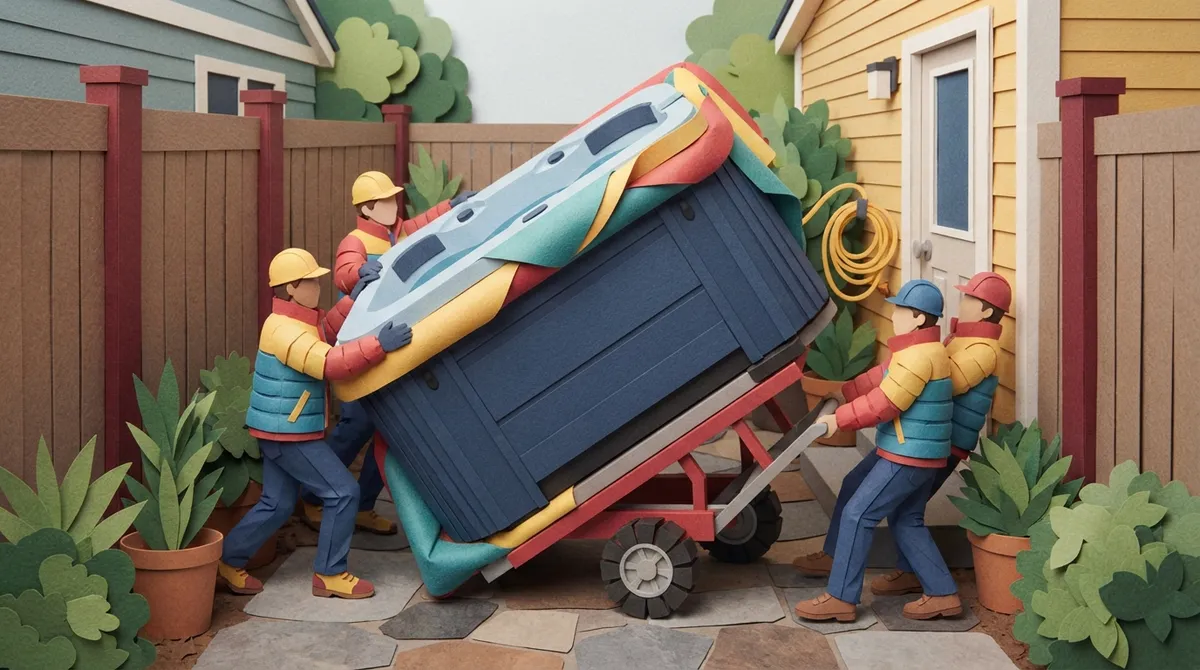
- Tilt the spa onto its side opposite the control panel and equipment compartment, then secure it with straps and protective padding; tilting onto the wrong side crushes pumps and electronics.
- After placement at the new location, a technician must check for plumbing leaks, prime the pump, clear air locks, and test the heater and jets before refilling and use.
So you've got a hot tub, and you're about to move. Maybe you're heading across Lakeland, or maybe you're making the bigger jump from Winter Haven to a new home in Davenport. Either way, that big beautiful Jacuzzi isn't going to walk itself out the gate. Jacuzzi moving is one of those jobs that looks simple until you actually try it, and then suddenly you're staring at 500 pounds of fiberglass and wondering how it even got into your backyard in the first place.
Here's the good news. You don't have to figure this out alone. This guide walks you through exactly what goes into moving a hot tub safely, what it costs, and why so many homeowners decide to call in the pros instead of risking a hernia. Grab a cup of coffee, and let's get you ready for moving day.
What Does Jacuzzi Moving Actually Involve?
Jacuzzi moving means relocating your hot tub or spa from one spot to another, whether that's across the yard or across the state. It's not like moving a couch. A spa has plumbing, electrical connections, water, and heavy internal components like pumps and heaters that can get damaged if handled wrong.
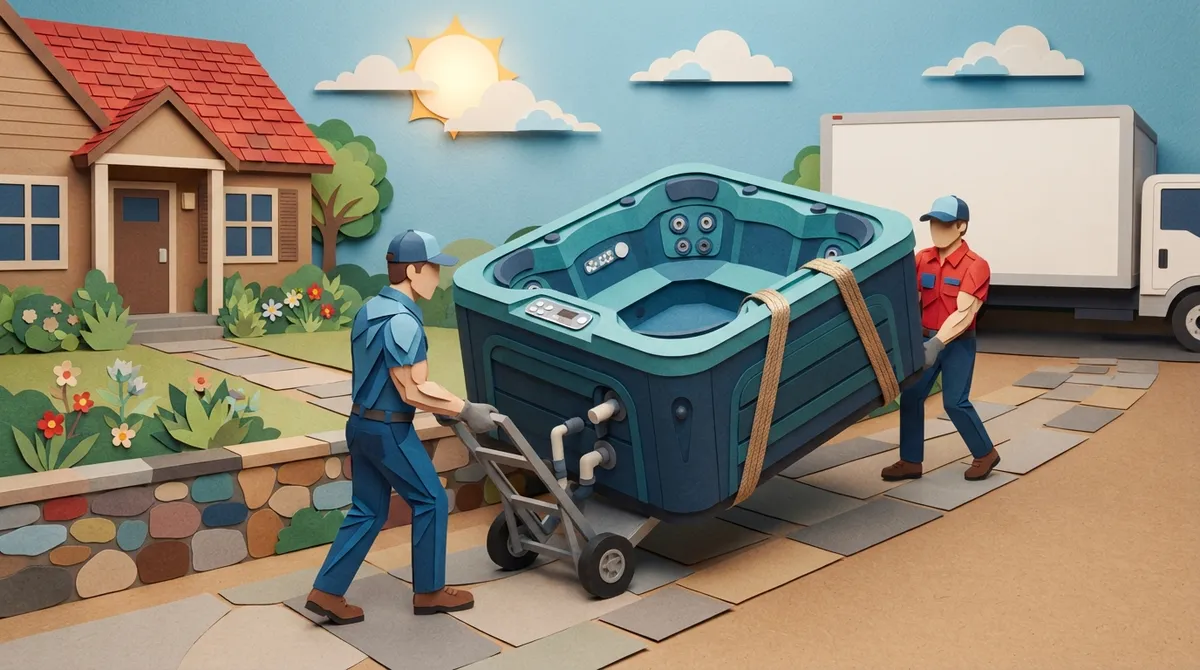
A proper move includes draining the tub completely, disconnecting utilities, tilting and rolling it on a special dolly, protecting it during transport, and setting it up again at the new location. Every step matters, and skipping one can turn a simple move into an expensive mistake.
Why Your Hot Tub Weighs More Than You Think
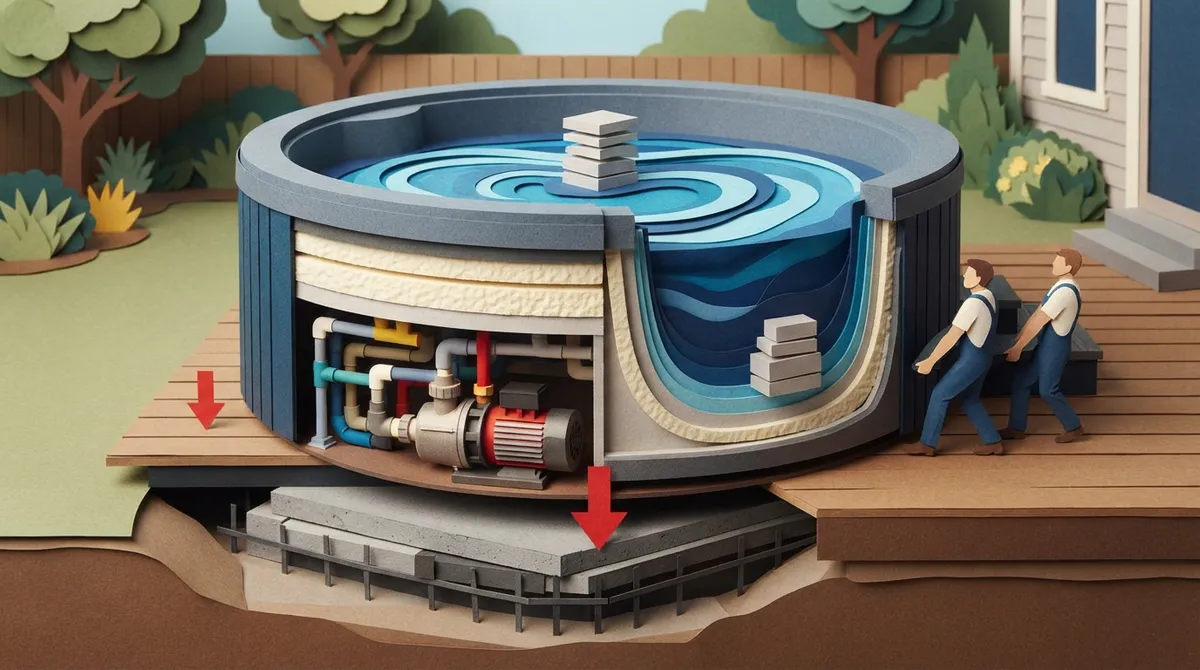
Most people are shocked to learn how heavy these things really are, even after you drain out every drop of water. A small two- to three-person spa often weighs around 500 pounds empty, according to Bullfrog Spas. Fill it up with water, and that number can jump to roughly 3,000 pounds.
Larger models are even heavier. A Jacuzzi J-365, for example, has a dry weight of 868 pounds and holds nearly 400 gallons of water when full. That's the weight of a small car sitting in your backyard. This is exactly why draining and prepping the tub correctly before moving day is non-negotiable.
| Spa Size | Approx. Dry Weight | Approx. Filled Weight |
|---|---|---|
| Small 2-3 person spa | ~500 lbs | ~3,000 lbs |
| Jacuzzi J-365 (mid-size) | 868 lbs | 3,000+ lbs |
| Large 6-8 person spa | 900-1,000+ lbs | 4,000+ lbs |
Step-by-Step: How a Professional Jacuzzi Move Works
Curious what actually happens on moving day? Here's the process a trained crew follows to get your spa from point A to point B without cracking it, scratching your floors, or throwing anyone's back out.
- Survey the route. Movers measure doors, gates, stairs, decks, and truck access points ahead of time. Narrow spaces or overhead obstacles might mean extra labor or special equipment.
- Drain the spa fully. This isn't optional. Crews use a wet/dry vacuum or disconnect plumbing unions to clear trapped water from pumps, heaters, and jets.
- Disconnect utilities. Hard-wired spas need a licensed electrician to cut power safely. Plug-in models just get unplugged, but power stays off until the tub is reconnected at its new home.
- Tilt and load onto a spa dolly. The tub gets rested on its side, opposite the control panel and equipment compartment, to protect the pumps and electronics from getting crushed.
- Secure with straps and padding. Protective blankets, plywood sheets, and lifting straps keep the tub steady and scratch-free during transport.
- Transport and place at the new site. The spa goes onto a level, sturdy base before anyone thinks about refilling it.
- Reconnect and test. A technician checks plumbing for leaks, primes the pump, clears air locks, and confirms the heater and jets work before you jump in.
Sound like a lot? It is. That's why most folks call in help rather than trying this solo. If you want a deeper walkthrough on prepping large, awkward items for transport, our Moving Hot Tubs Complete Guide covers even more ground.
Can You Move a Hot Tub Yourself?
Technically, yes. Practically? It's risky. A drained spa can still weigh several hundred pounds, and tilting it wrong can lead to back injuries, crushed plumbing, or a tub that rolls somewhere you really didn't want it to go.
DIY attempts often run into these problems:
- Not enough people to safely control the tilt and weight
- Renting the wrong dolly or straps, leading to slips and drops
- Damaging cabinet panels or plumbing lines during the tilt
- Underestimating how tight that side gate really is
- Skipping the electrical shutoff and risking a shock hazard
If you're set on doing it yourself, budget around $100 to $300 for equipment rental, and expect the job to take longer than you think. Complex routes, draining, and line clearing can stretch a simple move into a half-day project or more, according to Sirelo's moving guidance.
How Much Does It Cost to Move a Jacuzzi?
Pricing depends on size, distance, and how tricky your access points are. Here's a general breakdown based on current market estimates.
| Move Type | Typical Cost Range | Notes |
|---|---|---|
| Standard local move | $350 - $800 | Straightforward access, no stairs or crane needed |
| Complex local move | $499 - $1,299 | Stairs, tight gates, disassembly, or crane required |
| DIY rental route | $100 - $300 | Equipment only, labor and risk on you |
| Crane-assisted access | +$500/day | Needed for rooftop decks or blocked yards |
These numbers are market averages, not fixed rates, so it always pays to get a written local quote. If you're weighing whether to DIY or hire out, our article on Full Service Vs Labor Only Winter Haven Residential Moving can help you decide what fits your budget and comfort level.
Local Move or Long-Distance? Both Need Careful Planning
If you're staying within Polk County, a local Jacuzzi move typically takes two to four hours under normal conditions. Add stairs, a tricky gate, or bad weather, and that timeline stretches fast.
Long-distance moves add another layer. Your spa needs to survive hours on the highway without shifting, leaking, or getting damaged by temperature swings. If you're relocating from Lakeland to somewhere farther out, make sure your movers have real experience securing large, awkward items for long hauls. Check out our guide on What Should You Know Before A Long Distance Move for tips that apply well beyond just spas.
What to Tell Your Movers Before They Quote You
Getting an accurate estimate means giving your moving company the full picture upfront. Here's what to have ready:
- Model and dimensions of your spa
- Dry weight, if you know it
- Age and general condition
- Photos of the tub and access points
- Pickup and delivery addresses
- Whether it's hard-wired or plug-and-play
You'll also want to confirm insurance coverage, damage policies, and whether the quote includes disassembly, reassembly, or crane work. A clear, honest quote saves everyone headaches later. That's exactly the kind of transparency we believe in here at DynaMight Movers, and you can see what our customers say about that firsthand when you visit us on Google — DynaMight Movers.
Electrical and Plumbing: Leave It to the Pros
Hard-wired spas absolutely need a licensed electrician for disconnection and reconnection. This isn't a place to cut corners. The U.S. Consumer Product Safety Commission recommends GFCI protection for all electrical equipment near pools, hot tubs, and spas, plus any outdoor outlets within 20 feet of the water's edge.
Once your spa is repositioned, a technician should check for leaks, prime the pump, and clear any air locks before you flip that power switch back on. Skipping this step risks damaging expensive components or, worse, creating a safety hazard.
Why So Many Homeowners Call in Professional Movers
Moving a Jacuzzi safely takes several trained people working together. It's not a job for two friends and a case of beer, even if that's tempting. Professional crews bring the right dollies, straps, ramps, and protective padding to get the job done without wrecking your yard, your fence, or your spine.
At DynaMight Movers, we've handled specialty items across Lakeland, Winter Haven, Davenport, and Dover, and we know how to treat a heavy, awkward spa with the care it deserves. Our team shows up with transparent pricing, full insurance coverage, and zero hidden fees, so you always know what to expect. Learn more about how we handle bulky, tricky items in our guide on How To Choose Specialty Item Movers You Can Trust.
Common Jacuzzi Moving Mistakes to Avoid
Even well-meaning movers can slip up if they don't know what they're doing. Watch out for these common errors:
- Forgetting to fully drain the tub, adding hundreds of pounds of hidden water weight
- Tilting the spa onto the wrong side, crushing the equipment compartment
- Skipping the route survey and getting stuck at a narrow gate
- Not shutting off power before disconnecting a hard-wired unit
- Placing the tub on an uneven or weak base at the new location
Want more detail on the specific mistakes that trip up even experienced crews? Check out our breakdown of 12 Jacuzzi Moving Mistakes That Can Cost You Big for a closer look.
Ready to Move Your Jacuzzi the Right Way?
Moving a hot tub isn't something to rush or wing on your own. Between the weight, the plumbing, the electrical work, and the sheer awkwardness of tilting hundreds of pounds through a gate, this is a job that rewards experience. Whether you're relocating locally around Polk County or planning a bigger move out of the area, having a trained crew on your side means less stress and a lot less risk to your back and your spa.
DynaMight Movers is licensed, insured, and ready to help with your Jacuzzi move, along with everything else on your moving day list. Reach out today to get a free estimate, or if you'd rather talk it through first, call us at (866) 349-7719. We're here to make your move feel easy, even when your Jacuzzi weighs as much as a small car.
FAQs
Q: How much does it cost to move a Jacuzzi or hot tub?
A: Most local moves run about $350 to $800, but tricky access, stairs, or crane work can push that up to $1,299 or more. It really depends on your setup, so it's always best to get a written local quote before moving day.
Q: Can I move a hot tub myself, or should I hire professional movers?
A: You can try it yourself, but drained spas still weigh hundreds of pounds and can shift unexpectedly when tilted. Most homeowners find it's worth hiring pros to avoid back injuries, cracked plumbing, or a scratched-up doorway.
Q: How many people are needed to move a Jacuzzi safely?
A: You'll typically want at least three to four trained people, sometimes more depending on size and access points. Trying it with just two people is asking for trouble, especially on stairs or through narrow gates.
Q: How do you drain and prepare a hot tub for moving?
A: The tub needs to be completely emptied of water, including water trapped in pumps, heaters, and jet lines. Movers often use a wet/dry vacuum or disconnect plumbing unions to make sure nothing's hiding inside before the lift.
Q: Who reconnects the electrical and plumbing after a hot tub move?
A: A licensed electrician should handle hard-wired connections, while plumbing checks are usually done by the moving crew or a spa technician. Power should stay off until everything's inspected and confirmed safe to use.