
Key Takeaways
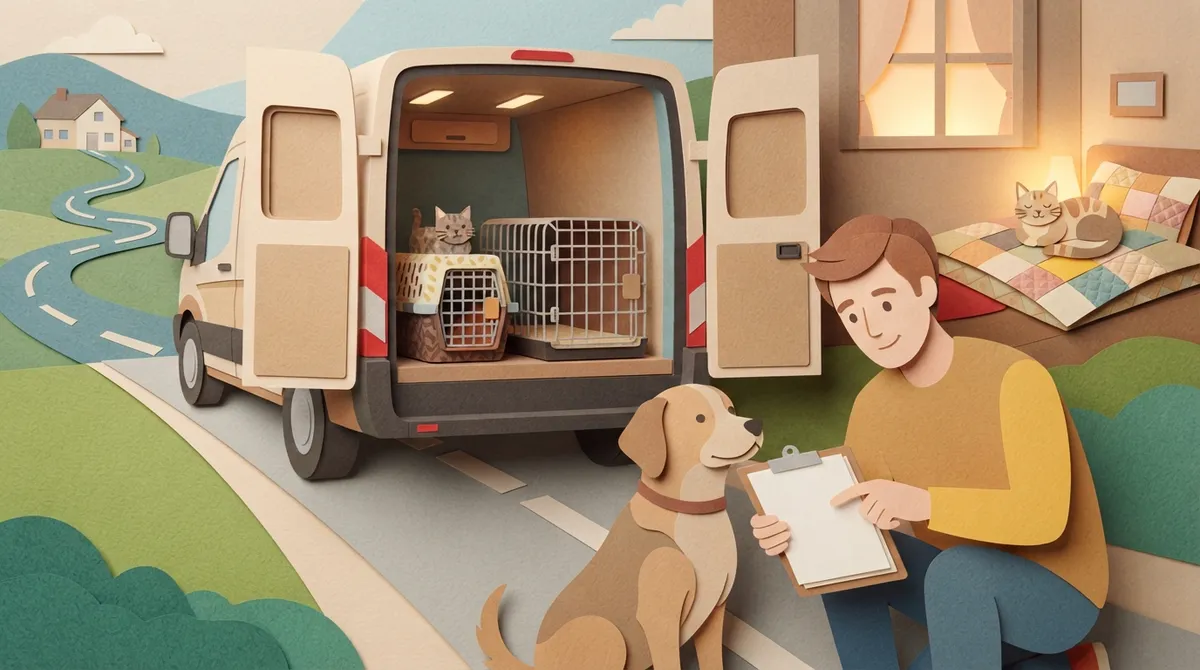
- Ask movers directly whether they transport pets or only coordinate with separate pet shippers—most moving companies transport belongings, not living animals, so clarify this distinction in writing before moving day.
- For interstate moves, check your destination state's specific pet requirements weeks in advance through USDA APHIS, as rules vary by state and may include vaccinations, health certificates, or diagnostic testing.
- Keep your pet in a secured, quiet room away from moving activity or arrange off-site care during the move to prevent escape, and set up a calm, familiar space at your new home before arrival.
- For long-distance moves, understand that airlines typically classify pets weighing 100+ pounds as cargo rather than cabin passengers, and commercial pet shippers are regulated under the Animal Welfare Act.
- Interview potential movers about their experience with your pet type, emergency procedures, temperature control during transport, tracking capabilities, and who maintains custody at each stage of the move.
- For local Polk County moves, you can typically transport your pet yourself while movers handle belongings, avoiding the need for separate pet transportation and keeping your pet with someone familiar.
Moving day is stressful enough without worrying about your dog pacing by the door or your cat hiding under the last empty box. If you've ever tried to load a truck while a nervous pup weaves between your legs, you already know why a pet friendly moving company matters. The good news? With the right planning and the right movers, your furry family members can stay safe, calm, and out of harm's way while everything else gets handled.
At DynaMight Movers, we've helped plenty of Polk County families move with pets in tow, from small apartments in Lakeland to larger homes in Winter Haven and Davenport. We know pets are family too. This guide will walk you through exactly what a pet friendly moving company does, what it doesn't do, and how to plan a smooth, low-stress move for everyone in your household, including the four-legged ones.
What Does "Pet Friendly Moving Company" Actually Mean?
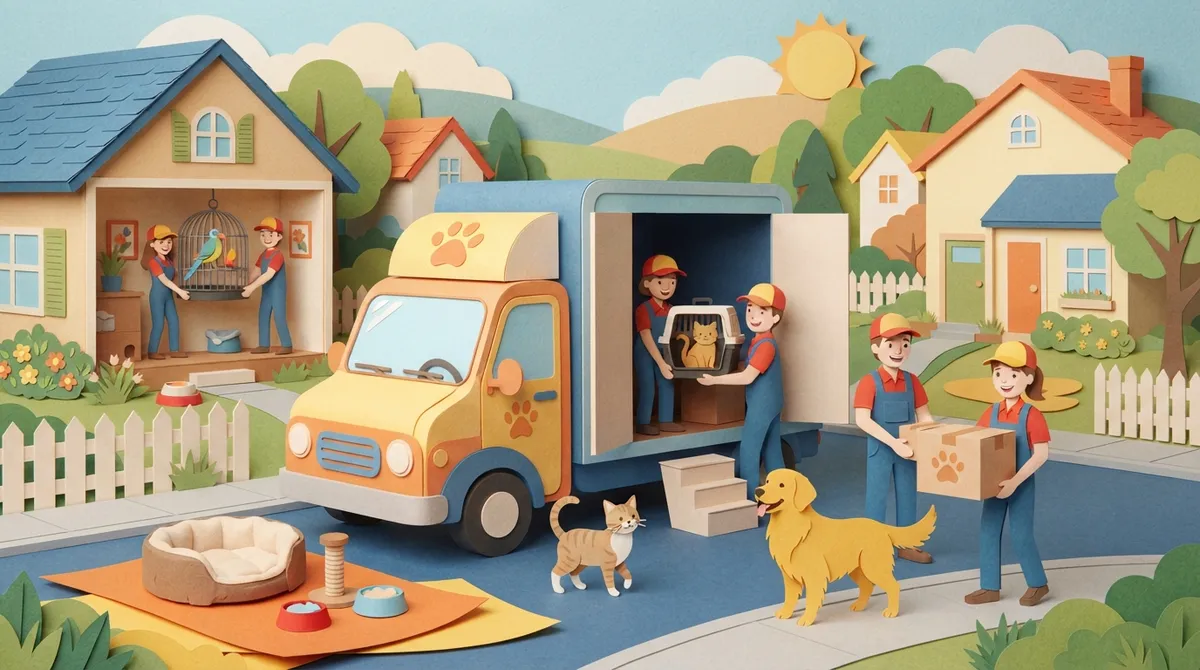
Here's something important to understand right away: most moving companies, including professional moving companies in Polk County, are set up to move household goods, not living animals. A pet friendly moving company usually means one of two things. Either the mover is thoughtful and accommodating about your pet's presence during the move, or the company coordinates with a specialist pet transporter to help you handle the animal's travel separately.
It's a good idea to ask any mover you're considering exactly which type of service they offer. Some movers will help you plan pet logistics as part of your overall moving strategy. Others will simply give you space and flexibility so you can manage your pet on your own while they handle the heavy lifting.
Movers Handle Boxes. Pet Transporters Handle Animals.
This distinction matters a lot. Generally speaking, moving companies transport your furniture, boxes, and belongings, not your pets. If you need your dog or cat physically transported somewhere, especially over long distances, you'll likely need a separate qualified pet shipper or transporter.
Always get this in writing before moving day. Ask your mover directly: will you transport my pet, help me coordinate a pet shipping service, or simply provide guidance so I can manage it myself? Getting a clear answer up front avoids confusion and keeps everyone safe.
Why Pet-Friendly Practices Matter on Moving Day
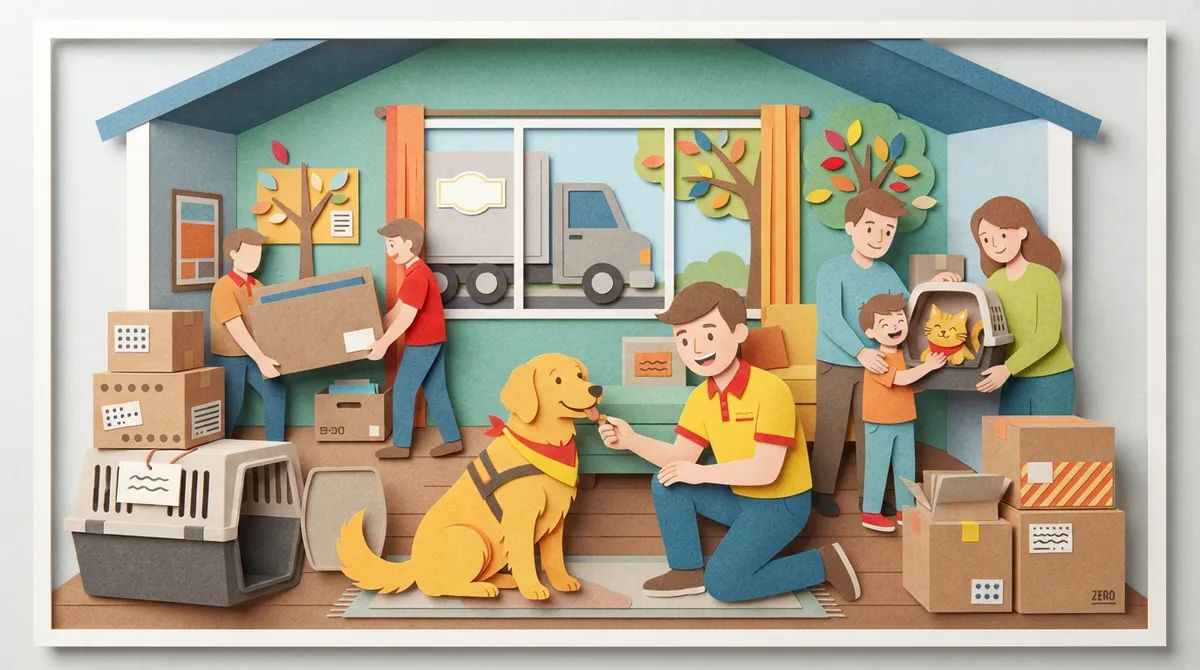
Moving day is chaotic. Doors open and close constantly, strangers are walking through the house, and furniture is being carried out the front door. That's a recipe for a scared pet to bolt. A pet friendly moving company understands this and works with you to reduce risk.
Here are some pet-safe practices that responsible movers and pet owners should follow together:
- Keep pets in a quiet, secured room away from the main moving activity, or arrange for a trusted friend or sitter to watch them off-site
- Familiarize your pet with their crate well before the move so it feels like a safe space, not a punishment
- Label the crate with your pet's name, your contact information, and any medical needs
- Keep food, water, medication, and comfort items easily accessible, not buried in a moving box
- Make sure your pet's collar has current ID tags and your phone number is up to date
- Set up a calm, familiar space at your new home before bringing your pet inside
These steps sound simple, but they make a huge difference. A calm pet means a calmer move for everyone, including your movers.
Local Moves vs. Long-Distance Moves With Pets
How you plan for your pet depends heavily on how far you're moving. A short trip across Lakeland is a very different animal (pun intended) than a move from Central Florida to another state.
Local Moves in Polk County
If you're staying within Polk County, moving your pet is usually straightforward. You can typically drive your pet yourself in your own vehicle while the moving crew handles your belongings. This keeps your pet with someone familiar and avoids the need for special transport.
For local moves, our team at DynaMight Movers focuses on efficient, careful work so you can spend more time comforting your pet and less time worrying about your furniture. Check out our guide on how to choose residential movers in Polk County for more tips on picking the right team for a local move.
Long-Distance and Interstate Moves
Long-distance moves require more planning, especially when pets are involved. According to the U.S. Department of Agriculture's Animal and Plant Health Inspection Service (USDA APHIS), requirements for taking a pet from one U.S. state to another are set by the destination state, not the state you're leaving. Depending on where you're headed, your pet may need updated vaccinations, a health certificate, or even specific diagnostic testing.
USDA APHIS advises pet owners to check the receiving state's requirements ahead of time and contact that state's animal-health authority if you have questions. This is not something to leave until the last minute. Start checking these requirements weeks, not days, before your move.
If you're planning a big move out of the area, our article on what you should know before a long-distance move covers helpful planning steps beyond just pet care.
How Pet Transportation Actually Works
If you can't drive your pet yourself, you have a few options. The U.S. Department of State outlines three common ways pets travel, especially for longer or international trips: in the cabin with the owner, as accompanied baggage or cargo, or through a commercial pet shipping company.
One detail that surprises a lot of pet owners: airlines generally treat animals weighing 100 pounds or more, crate included, as cargo. This applies even if the pet is flying on the same plane as its owner. Policies vary by airline, so always confirm details directly with the carrier before booking.
| Pet Travel Method | Best For | Key Consideration |
|---|---|---|
| Owner-driven vehicle | Local or regional moves | Pet stays with a familiar person the whole trip |
| In-cabin air travel | Small pets, short flights | Size and weight limits apply |
| Cargo or accompanied baggage | Larger pets, longer flights | Temperature and crate rules matter |
| Commercial pet shipper | Long-distance or international moves | Specialized handling and paperwork support |
Understanding the Rules Behind Pet Transportation
You may be wondering why some pet transport businesses seem more regulated than others. Here's the short version: USDA APHIS oversees businesses that take custody of animals and transport them for hire. This can include certain airlines, motor carriers, hired drivers, and boarding kennels, under the Animal Welfare Act's transportation standards.
However, if your pet stays with you the entire time, such as riding in your own car or a hired taxi, this typically isn't regulated under the Animal Welfare Act. That said, state, federal, airline, and local rules may still apply, so it always pays to double check.
Animals Covered Under Pet Travel Rules
According to USDA APHIS, several types of animals may qualify for pet-travel requirements, including:
- Dogs and cats
- Ferrets
- Rabbits
- Rodents
- Hedgehogs or tenrecs
- Reptiles and amphibians
- Certain birds
If you own an unusual pet, it's worth checking with USDA APHIS directly through their official pet travel resource to understand exactly what applies to your situation.
Moving Internationally With a Pet
International pet relocation is a much bigger undertaking than a domestic move. It typically requires far more lead time, sometimes several months, depending on the destination country's rules.
Common requirements for international pet travel include:
- Microchip identification
- Up-to-date vaccinations
- A veterinary examination close to the travel date
- An official health certificate
- USDA endorsement of that certificate
- Import permits, depending on the country
- Possible quarantine periods on arrival
- Airline-specific pet travel rules
Most international pet moves require the involvement of a USDA-accredited veterinarian. Since requirements vary so much by destination and animal type, it's worth starting this process as early as possible. The State Department's guidance on traveling internationally with pets is a helpful starting point for families relocating overseas.
How to Choose the Right Pet-Friendly Mover
Not every mover is equipped, or willing, to accommodate pets the same way. Here's a simple step-by-step process to find the right fit for your family.
Step-by-Step: Vetting a Pet Friendly Moving Company
- Ask directly whether they transport pets or only coordinate with pet shippers
- Confirm licensing, registration, and insurance coverage where applicable
- Ask about their experience with your specific type of pet
- Find out what happens if there's a delay or emergency during transport
- Ask about temperature control and ventilation if your pet will ride in a vehicle
- Request details on tracking or communication during transit
- Clarify whether any subcontractors will be involved
- Review cancellation terms in case plans change
- Get a clear answer on exactly who takes custody of your pet at each stage
Taking the time to ask these questions upfront can save you a lot of stress later. It also helps you avoid common mistakes when hiring local residential movers that can turn moving day into a headache.
Tips for a Calmer Moving Day With Pets
Even with the best-laid plans, moving day can still be a lot for your pet to process. Here are a few extra tips that Polk County families have found helpful:
- Feed your pet a light meal a few hours before the move, not right before travel
- Keep a favorite toy or blanket nearby for comfort
- Take a short walk or play session before the movers arrive to burn off nervous energy
- Avoid introducing your pet to the new home until the bulk of the unloading is done
- Stick to your pet's regular feeding and walking schedule as much as possible during the transition
Small routines like these help your pet feel secure, even when everything around them looks completely different.
Why Local Experience Matters
Moving with pets in Polk County comes with its own local quirks, from Florida's heat affecting how long a pet can wait in a car to navigating apartment complexes with strict pet policies. A mover familiar with the area, like DynaMight Movers, understands these local realities and can plan around them.
We're proud to serve families throughout Lakeland, Winter Haven, Davenport, and Dover, and we treat every move, pets included, with the same care we'd want for our own families. If you'd like to see how we've helped other local families, feel free to visit us on Google — DynaMight Movers and read what our customers have to say.
Bringing It All Together
A pet friendly moving company isn't about promising to load your dog into the truck alongside your couch. It's about thoughtful planning, clear communication, and working together so your pet stays safe while your household gets moved efficiently. Whether you're handling a quick local move or a complicated interstate relocation, the right team will help you plan around your pet's needs instead of ignoring them.
If you're getting ready for a move in Polk County and want a team that treats your whole household, including your pets, with genuine care, we'd love to help. You can get a free estimate today, or if you'd rather talk it through first, call us at (866) 349-7719. Let's make your next move smooth, safe, and stress-free for every member of the family, four-legged ones included.
FAQs
Q: What is a pet friendly moving company?
A: A pet friendly moving company is one that plans around your pet's safety and comfort during a move. This might mean giving your pet space away from the chaos, helping you coordinate a separate pet transporter, or simply offering guidance so your furry friend stays calm and secure.
Q: Will a moving company transport my dog or cat, or do I need a separate pet relocation service?
A: Most moving companies focus on your household belongings, not your pets. If you need actual pet transportation, especially for a long-distance move, you'll usually want to work with a qualified pet shipper. Always ask your mover directly so there's no confusion on moving day.
Q: What documents does my pet need for an interstate move?
A: It depends entirely on your destination state. Some states require updated vaccinations, a health certificate, or even specific testing before your pet arrives. Check with the receiving state's animal-health authority well ahead of your move so you're not scrambling at the last minute.
Q: How do I move a pet safely on moving day?
A: Keep your pet in a quiet, secured room or with a trusted sitter while the movers work. Make sure their crate is familiar, their tags are current, and their food and medication are easy to grab. A little prep goes a long way toward keeping everyone calm.
Q: What should I look for when hiring a pet transportation company?
A: Look for clear answers about licensing, insurance, experience with your type of pet, and exactly who takes custody of your animal at each step. It's also smart to ask about emergency procedures, temperature control, and how they'll keep you updated during transit.