

Key Takeaways
- Verify a long distance mover's legitimacy by checking their U.S. DOT number, operating authority status, and complaint history through FMCSA's Protect Your Move and SAFER systems before signing anything.
- Understand the difference between binding estimates (firm price based on inventory) and non-binding estimates (final cost may reach 110% of estimate), and always get written estimates after an in-home or virtual survey.
- Choose Full Value Protection coverage for valuable items like electronics, antiques, or family heirlooms, as the free Released Value Protection only covers 60 cents per pound per item.
- Ask directly whether you're hiring a carrier (owns trucks, handles shipment) or a broker (arranges move with another company), as this determines who is responsible if something goes wrong.
- Book your long distance move 4-8 weeks in advance (earlier during peak summer season), and request all required federal documents including the bill of lading, inventory list, and FMCSA rights booklet before moving day.
- File damage or missing item claims in writing within nine months of delivery, keeping photos and documentation as proof, since movers must acknowledge claims within 30 days and resolve within 120 days.
Moving across the state or across the country is exciting. It's also a little scary, especially when you're trusting strangers with everything you own. Picking the right long distance moving company makes all the difference between a smooth transition and a stressful mess. Whether you're a Polk County homeowner heading to a new city or a family relocating a big estate full of treasured belongings, knowing what to look for will save you money, time, and a whole lot of worry.
This guide walks you through everything you need to know before hiring a long distance moving company. We'll cover the difference between carriers and brokers, how estimates work, what protection options mean, and how to spot red flags before you sign anything. By the end, you'll feel confident picking a mover who treats your home like it matters, because it does.

What Counts as a Long Distance Move?
A long distance moving company typically moves your belongings across state lines. These interstate moves fall under rules set by the Federal Motor Carrier Safety Administration (FMCSA). Even some moves that stay in the same state can count as interstate if the truck crosses another state line along the way.
This matters because interstate movers must follow federal rules that local-only movers don't. These rules protect you with things like written estimates, required paperwork, and clear liability options. If you're moving from Central Florida to Georgia, the Carolinas, or anywhere out of state, you're dealing with interstate moving regulations.
Carrier vs. Broker: Know the Difference
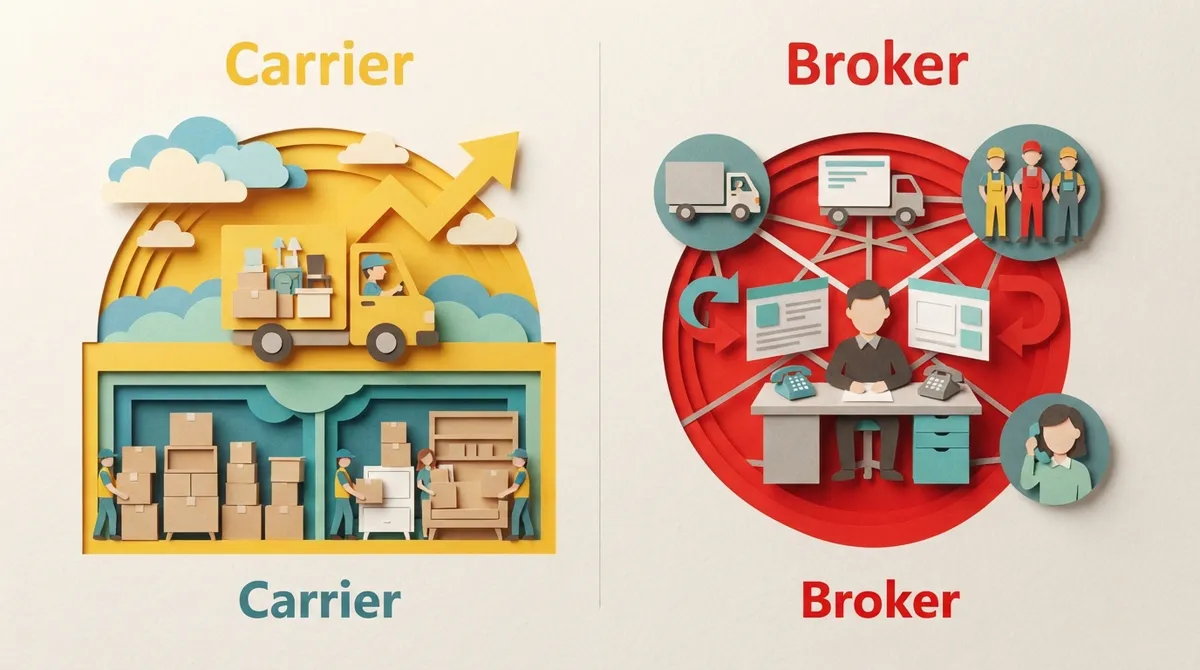
This trips up a lot of people, so let's clear it up. A carrier is the actual company that loads your truck, drives it, and delivers your things. A broker doesn't own trucks or touch your boxes. Instead, a broker arranges the move by hiring a carrier on your behalf.
Neither option is automatically bad, but you need to know which one you're hiring. If something goes wrong, you want to know exactly who is responsible for your shipment. Ask directly: "Are you the carrier, or are you brokering this move to another company?" A trustworthy business will answer honestly and quickly.
How to Verify a Long Distance Mover Is Legit
Before you hand over a deposit, do some homework. It only takes a few minutes and can save you from a scam.
- Look up the company's legal name and U.S. DOT number using FMCSA's Protect Your Move and SAFER systems.
- Check their operating authority status to confirm they're allowed to run interstate moves.
- Read their complaint history through FMCSA records.
- Confirm whether they're registered as a carrier, a broker, or both.
- Ask for proof of insurance and licensing in writing.
For more on this step, check out our guide on how to spot licensed and insured movers in Polk County. The same verification steps apply whether you're moving locally or across the country.
Understanding Binding vs. Non-Binding Estimates
A phone quote is not a real estimate. A real estimate comes after an in-home or virtual survey of your belongings, and it should be in writing. There are two main types you'll run into.
| Estimate Type | How It Works | What You Pay at Delivery |
|---|---|---|
| Binding Estimate | Sets a firm price based on the listed inventory and services | 100% of the agreed amount, unless you add items or services in writing |
| Non-Binding Estimate | Based on estimated weight or volume; final cost may shift | Mover can require up to 110% of the estimate at delivery; remaining balance billed later |
Neither option is automatically better. A binding estimate gives you price certainty. A non-binding estimate might end up cheaper, but only if your actual shipment weighs less than expected. Whatever you choose, get everything in writing and never sign a blank form.
What Documents Should You Expect?
Federal rules require interstate movers to give you several documents before your move starts. Keep every single one of these in a folder, physical or digital, until your move is complete and any claims are settled.
- The FMCSA booklet, "Your Rights and Responsibilities When You Move"
- A written order for service
- A bill of lading (this is your contract and receipt)
- A full inventory of your items
- Information about the mover's complaint and dispute-resolution process
If a company skips these steps or rushes you through paperwork, that's a warning sign. A trustworthy long distance moving company wants you informed, not confused.
Valuation Coverage: What Happens If Something Breaks?
Every interstate mover must offer two valuation options. Understanding these before moving day can save you from a nasty surprise if something gets damaged.
Released Value Protection
This option is free, but it only covers 60 cents per pound per item. So if your 25-pound television gets damaged, you'd only receive about $15. That's not much protection for expensive items like electronics or antiques.
Full Value Protection
This option costs more but covers the replacement value of your belongings, subject to the terms and any deductible you choose. If you're moving specialty items like a piano, fine art, or family heirlooms, this coverage is usually worth the extra cost. Our article on choosing specialty item movers you can trust goes deeper into protecting valuable belongings during transport.
What Affects Long Distance Moving Costs?
There's no single flat rate for long distance moves. Prices shift based on several factors, so be wary of anyone quoting a number without seeing your inventory first.
- Total weight or volume of your shipment
- Distance between pickup and delivery
- Time of year, with summer months usually costing more
- Packing services, if you want the crew to pack for you
- Access issues like stairs, elevators, or long carries from the truck to your door
- Storage needs if there's a gap between move-out and move-in dates
- Your chosen valuation coverage level
Because so many things affect price, comparing quotes only makes sense when each company surveys the same inventory list. Generic online average costs won't tell you much about your specific move. For a clearer breakdown, take a look at what factors determine moving company pricing in 2026.
How Far in Advance Should You Book?
Long distance moves take more planning than local ones. Trucks need to be scheduled, routes mapped out, and crews assigned. As a general rule, try to book your mover at least four to eight weeks before your move date. Peak season, which runs from late spring through summer, fills up faster, so book even earlier if you're moving then.
If you're on a tighter timeline, don't panic. Some companies, including DynaMight Movers, offer flexible scheduling and can sometimes accommodate shorter notice. It never hurts to call and ask.
Steps to Take Before Moving Day
- Get at least two or three written estimates based on the same list of items.
- Confirm pickup and delivery windows in writing.
- Ask about extra charges for stairs, shuttle service, or long carries.
- Photograph valuable or fragile items before the crew arrives.
- Keep copies of every document, including the bill of lading.
- Inspect your items carefully at delivery and note any damage on the paperwork right away.
Following these steps protects you if a dispute ever comes up. It also gives you peace of mind knowing you did your part to prepare.
What to Do If Something Goes Wrong
Even with the best movers, accidents can happen. If your belongings arrive damaged or something is missing, act quickly. You generally have nine months from your delivery date to file a written claim with your mover. The mover must acknowledge your claim within 30 days and resolve it within 120 days, according to FMCSA consumer guidance.
Interstate movers are required to participate in a dispute-settlement program for qualifying claims, though the FMCSA itself doesn't handle payouts directly. Document everything, keep photos, and follow up in writing so there's a clear paper trail.
Local Moves Still Deserve the Same Care
Not every move is long distance, and that's okay too. If you're staying within Polk County, moving from Lakeland to Winter Haven or Davenport, the same principles of transparency and care still apply. Check out our tips on choosing residential movers in Polk County for guidance that applies to shorter moves too.
Why Families Trust DynaMight Movers
At DynaMight Movers, we've built our reputation on being upfront. No hidden fees, no vague quotes, and no disappearing after you sign a contract. We're licensed and insured, and we handle everything from studio apartments to full family estates with the same level of care.
We know long distance moves come with extra stress. That's why our team gives you clear pricing from the very first conversation. Whether you're a retiree heading to a new retirement community, a family relocating a large estate full of specialty items, or a homeowner making the leap out of Central Florida, we treat your move like it's our own. You can visit us on Google — DynaMight Movers to see what our customers in Polk County have to say about working with our team.
Ready to Plan Your Long Distance Move?
Choosing the right long distance moving company doesn't have to feel overwhelming. Focus on verification, written estimates, clear valuation coverage, and solid communication, and you'll avoid most of the headaches that trip up other movers. For extra peace of mind, review resources like the FMCSA's regulations and enforcement guidance and the Protect Your Move valuation brochure before you sign anything.
If you're ready to start planning your move from Polk County to anywhere across the country, our team is here to help. Get a free estimate today, or call us at (866) 349-7719 to talk with a real person who understands what your move means to you. Let's make your next chapter a smooth one.
FAQs
Q: What is considered a long distance or interstate move?
A: A long distance move usually means your belongings cross state lines during transport. Even a same-state move can sometimes count as interstate if the truck happens to pass through another state along the route. This matters because interstate moves fall under federal FMCSA rules that give you extra protections.
Q: How much does a long distance moving company cost?
A: Costs depend on your shipment's weight, the distance traveled, the season, and any extra services like packing or storage. There's really no single "average" price that fits every move. The best way to get an accurate number is to request written estimates based on the same inventory from a couple of companies.
Q: How do I verify whether a long distance mover is legitimate?
A: Start by checking the company's U.S. DOT number and operating status through FMCSA's Protect Your Move and SAFER systems. You'll want to confirm their legal name, complaint history, and whether they're registered as a carrier or broker. A few minutes of research can save you a world of trouble later.
Q: What is the difference between a moving company and a moving broker?
A: A moving company, or carrier, actually owns the trucks and handles your shipment from start to finish. A broker doesn't move anything themselves; they arrange for another company to do the job. Both should be upfront about their role, so don't be afraid to ask directly which one you're hiring.
Q: What should I do if my mover damages or loses my belongings?
A: File a written claim as soon as possible, since you generally have up to nine months from delivery to do so. Your mover must acknowledge the claim within 30 days and work to resolve it within 120 days. Keep photos and paperwork handy, since they make the whole process much smoother.