
Key Takeaways
- Declutter before packing to reduce the volume of items to move, lower costs, and simplify unpacking—pack less to pack faster and potentially save money on hourly moving rates.
- Start packing 2-3 weeks before moving for small homes, 4-6 weeks for medium homes, and 6-8 weeks for large homes to avoid last-minute chaos and maintain a normal household routine.
- Pack heavy items in small boxes (under 50 pounds) and light, bulky items in large boxes to prevent boxes from breaking during transport and ensure safe handling by movers.
- Label every box clearly with the room name and contents, writing on the side and top of boxes so labels remain visible when stacked—this saves time for movers and makes unpacking much faster.
- Create a separate essentials box kept in your car with toiletries, medications, important documents, chargers, and snacks; load it last and unload it first to avoid searching through boxes on moving day.
- Keep high-value items, cash, jewelry, medications, and important documents with you personally rather than in the moving truck to avoid loss, theft, or damage during transit.
Packing for a move can feel like a mountain of tape, boxes, and decisions. One day your house looks normal, and the next it's a maze of bubble wrap and half-packed shelves. Take a breath. Every family in Polk County has stood exactly where you're standing now, and every one of them made it to the other side. With a simple plan and the right supplies, you can pack smart, save time, and even save money if you're hiring movers by the hour.
This guide walks you through how to pack for a move step by step, from the first box you tape shut to the last item you carry out the door. Whether you're headed across Lakeland or making a long-distance move out of Central Florida, these tips will keep your things safe and your sanity intact.
Why Packing the Right Way Actually Matters
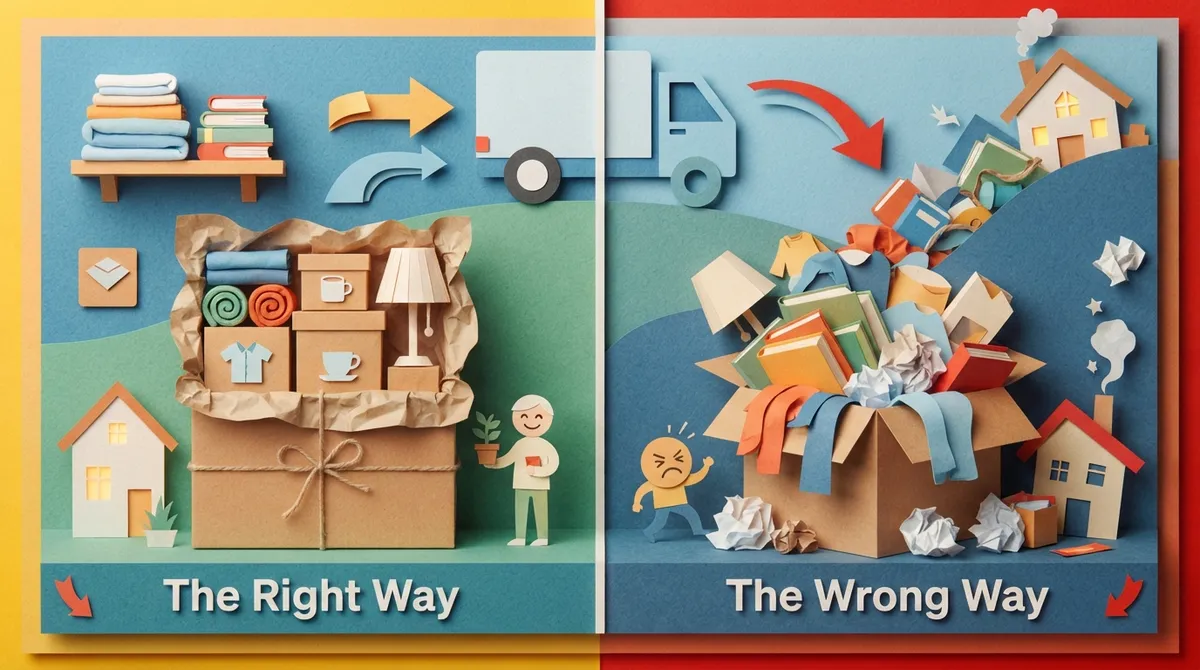
Good packing isn't just about tidiness. It protects your belongings and can even lower your moving costs. Movers who charge by the hour move faster when boxes are labeled, sturdy, and ready to go. Sloppy packing slows everyone down and raises the risk of broken dishes or scratched furniture.
According to U.S. Census Bureau migration estimates, about 48% of all moves happen locally, meaning short trips across town rather than across the country. That's good news, because local moves give you a little more flexibility with timing. Still, whether you're moving three miles or three states away, the packing basics stay the same.
How Packing Affects Your Moving Cost
Packing is usually an optional service, priced separately from the base moving rate. If you pack yourself, you save on labor costs. If you'd rather not deal with the hassle, many companies, including packing and moving services in Polk County, offer full packing help so you don't lift a single box.
When to Start Packing for a Move
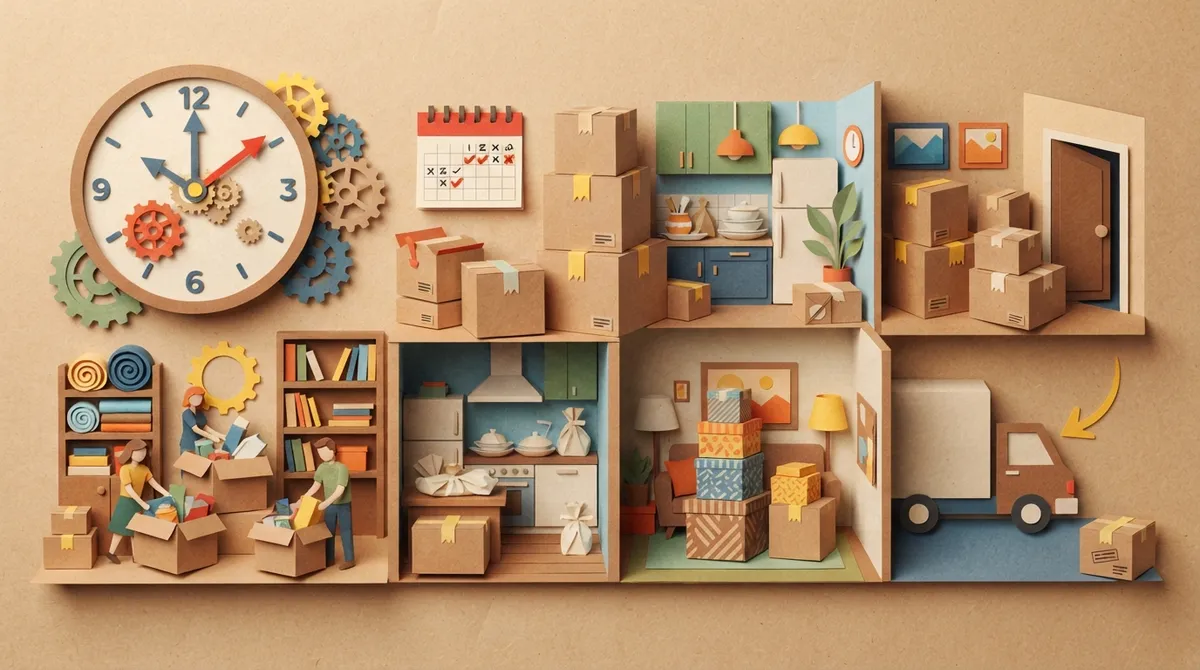
Timing is everything. Start too late, and you'll be throwing things into trash bags at midnight. Start too early, and you might be living out of boxes for weeks.
| Home Size | Recommended Start Time |
|---|---|
| Studio or one-bedroom | 2–3 weeks before moving day |
| Two- or three-bedroom home | 4–6 weeks before moving day |
| Large family home or estate | 6–8 weeks before moving day |
These timeframes come from moving industry packing guides and give you breathing room. If you're managing a bigger household, check out this guide on full service vs labor only Winter Haven residential moving to decide how much help you actually need.
Step 1: Declutter Before You Pack a Single Box
Here's a little secret: the best way to pack faster is to pack less. Go through each room and decide what you actually want in your new home. Donate, sell, or toss anything you haven't used in a year.
- Fewer boxes means fewer things that can break
- Less stuff means a lighter load and possibly lower moving costs
- A decluttered home is easier to clean before you leave
- Unpacking in your new place becomes simpler and faster
Decluttering feels a little emotional sometimes, especially with sentimental items. That's normal. Take your time, but don't let it stall your whole plan.
Step 2: Gather the Right Packing Supplies
You wouldn't build a house without the right tools, and you shouldn't pack a home without the right supplies either. Here's what you'll need:
- Sturdy boxes in various sizes (small, medium, large)
- Packing tape, plus a tape gun if you're doing a lot of boxes
- Markers or labels for writing on boxes
- Packing paper or bubble wrap for fragile items
- Furniture blankets or pads for large pieces
- Plastic bins for items that need extra protection, like electronics
If you'd rather skip the supply run altogether, ask your moving company if packing materials come included. Some do, some charge extra. It's worth asking before your free moving estimate so there are no surprises later.
Step 3: Pack Room by Room, Starting with the Stuff You Don't Use
Don't just grab random items and shove them in a box. Work through your home in a logical order.
What to Pack First
- Seasonal decorations and holiday items
- Guest room items and rarely used linens
- Books, hobby supplies, and off-season clothing
- Garage and storage items you don't need daily
What to Pack Last
- Kitchen items you use every day
- Bathroom toiletries
- Daily-use clothing
- Electronics you use right up until moving day
This approach keeps your household running smoothly while you pack. You don't have to eat takeout for three weeks straight just because your pots and pans are already boxed up.
Step 4: Pack Smart, Not Just Fast
There's a simple rule that professional movers swear by: heavy items go in small boxes, light and bulky items go in big boxes. This keeps boxes from becoming too heavy to lift safely.
| Item Type | Recommended Box Size | Packing Tip |
|---|---|---|
| Books, canned goods, tools | Small box | Keep weight under 50 pounds |
| Dishes, glassware | Small to medium box | Wrap each piece individually |
| Linens, pillows, lampshades | Large box | Use to fill gaps and cushion fragile boxes |
| Clothing (folded) | Medium to large box | Use wardrobe boxes for hanging clothes |
Keeping boxes under 50 pounds isn't just a suggestion, it's a safety issue. Overloaded boxes can break apart mid-carry, and nobody wants a box of dishes crashing onto the driveway.
Packing Fragile and Specialty Items
Fragile items need extra love. Wrap dishes individually in packing paper, and place them on their sides like records instead of stacked flat. Use plenty of cushioning material at the bottom and top of the box.
For larger specialty items like pianos, gun safes, or pool tables, packing alone won't cut it. These pieces need trained hands and the right equipment. If you own something valuable or oddly shaped, it's worth looking into how to choose specialty item movers you can trust rather than risking it yourself.
Step 5: Label Every Box Like Your Move Depends on It (Because It Does)
A box labeled "Kitchen - Dishes, Fragile" saves everyone time. A box simply labeled "Stuff" saves no one anything. Clear labels help movers know where to place boxes and help you find what you need without opening ten boxes first.
- Label boxes with the room they belong in
- Write a short list of contents on top
- Mark "Fragile" clearly on breakable items
- Put labels on the side of the box, not just the top, so they're visible when stacked
This small habit makes unpacking so much easier. Trust us, future-you will send a silent thank you to past-you for taking the extra thirty seconds per box.
Step 6: Build Your Essentials Box
Your essentials box is your best friend on moving day. This is the one box (or bag) you keep separate from everything else, so you're not digging through 40 boxes at 9 p.m. looking for a toothbrush.
- Toiletries and medications
- Phone chargers and basic electronics
- A change of clothes for each family member
- Important documents like IDs, leases, or closing paperwork
- Snacks and water bottles
- Basic tools, like a screwdriver, for reassembling furniture
Keep this box with you in your car if possible, not in the moving truck. It should be the last thing loaded and the first thing you grab when you arrive.
Packing Yourself vs. Hiring Professional Packers
Not everyone has the time (or patience) to pack an entire household. That's okay. Professional packing services exist for exactly this reason.
| Factor | Packing Yourself | Hiring Professional Packers |
|---|---|---|
| Cost | Lower, just supplies | Higher, includes labor |
| Time | Days to weeks | Often finished in a day |
| Risk of damage | Higher if inexperienced | Lower, trained packers know techniques |
| Best for | Small households, flexible schedules | Busy families, fragile or valuable items |
If your schedule is packed tighter than your closets, it might make sense to bring in help. You can learn more about DIY packing vs pro packing services to figure out which route fits your situation best.
What Movers Should Not Pack or Move
Some items should stay out of the moving truck entirely, and it's smart to set them aside early.
- Cash, jewelry, and important personal documents
- Medications you'll need during transit
- Passports, birth certificates, and legal paperwork
- Perishable food items
- Flammable materials like propane tanks or aerosol cans
Keep these items with you personally rather than in a box on the truck. It's a small step that avoids a big headache.
Packing Tips for Specific Situations
Packing for Retirees Moving to a Smaller Home
Downsizing brings its own emotional weight. Take it slow, sort items into keep, donate, and pass-along-to-family piles, and don't be afraid to ask for help with heavy lifting. Many families rely on senior moving services in Polk County to make the transition gentler and safer.
Packing for a Long-Distance Move
Long-distance moves need sturdier boxes and extra cushioning, since items travel farther and get handled more. Double-tape box bottoms and avoid overpacking any single box. If you're relocating out of the area, this overview on what to know before a long-distance move covers helpful planning steps.
Packing for a Large Family Home or Estate
Bigger homes mean more furniture, more specialty items, and more logistics. Bulky pieces, antiques, and oversized furniture often need trained movers who understand proper lifting techniques and equipment.
Roughly 20.3 million U.S. households moved in a recent year, according to Census Bureau estimates, and many of those moves involved multi-room, multi-generational households just like yours. You're far from alone in this process.
A Simple Packing Timeline You Can Follow
- 6 weeks out: Declutter every room and gather supplies
- 4 weeks out: Pack seasonal items, guest rooms, and storage areas
- 2 weeks out: Pack most of the house, leaving daily essentials
- 1 week out: Pack the kitchen, bathroom, and remaining items
- Moving day: Pack the essentials box and load it last
This timeline flexes based on your home size and how much stuff you're working with, but it gives you a solid frame to build around.
Wrapping Up Your Packing Plan
Packing for a move doesn't have to feel like chaos. Break it into small steps, start early, and don't be afraid to ask for help when you need it. Whether you're a retiree downsizing to a quieter home, a family relocating from a big estate, or a homeowner making a simple local move, the right prep work makes everything smoother.
DynaMight Movers has helped countless families across Lakeland, Winter Haven, Davenport, and Dover pack, load, and move with confidence. From heavy lifting to specialty items, our licensed and insured team treats your belongings like they matter, because they do. You can visit us on Google — DynaMight Movers to see what our neighbors across Polk County have to say about their moving experience.
Ready to make your next move the easiest one yet? Get a free estimate today, or call us at (866) 349-7719 to talk through your packing and moving plan with a friendly member of our team.
FAQs
Q: How far in advance should I start packing for a move?
A: For a studio or one-bedroom home, give yourself 2 to 3 weeks. For a bigger two- or three-bedroom house, aim for 4 to 6 weeks so you're not scrambling the night before your movers show up.
Q: What supplies do I need to pack for a move?
A: You'll want sturdy boxes in a few sizes, packing tape, markers for labeling, and cushioning like packing paper or bubble wrap for anything fragile. A few furniture blankets go a long way too.
Q: What should I pack first when moving house?
A: Start with things you don't use every day, like seasonal decorations, guest room items, and garage storage. Save the kitchen, bathroom, and daily clothes for last so life stays normal while you pack.
Q: What should movers not pack or move?
A: Keep cash, jewelry, medications, and important documents like passports with you personally. These items are too valuable or too needed to risk on the truck.
Q: Should I hire professional packers or pack myself?
A: It really depends on your schedule and how comfortable you feel with fragile or bulky items. If you're short on time or have a lot of valuables, professional packers can save you stress and protect your belongings better than a rushed DIY job.