
Key Takeaways
- Professional specialty movers use purpose-built equipment like piano boards and hoists that homeowners typically don't own; renting this gear can quickly add up and DIY mistakes often cost far more than hiring professionals.
- Dropped pianos, scratched antiques, or damaged hot tubs can cost thousands to repair—expenses that frequently exceed professional moving fees, making the upfront cost of hiring specialists financially prudent.
- For high-value items over $100 per pound, federal Released Value protection covers only $0.60 per pound; you must declare these separately and ask about additional third-party insurance before hiring any mover.
- Before booking any specialty mover, verify their licensing through FMCSA resources for interstate moves, request written estimates specifying what's included (disassembly, reassembly, crating), and ask specific insurance coverage questions.
- Piano moves typically cost $260-$580, hot tub moves $200-$1,000, and pool table moves $50-$4,000; prices vary by item weight, distance, stairs, and access challenges, making written estimates essential.
- DIY moving of specialty items carries high injury risk and works only for items under 100 pounds without fragility; heavier items like safes, pianos, or heirlooms warrant professional help to prevent physical strain and property damage.
Picture this: your grandmother's piano is sitting in the living room, and moving day is two weeks away. Do you rent a dolly and call your strongest friends, or do you hire specialty item movers who do this every single day? If you've ever asked that question, you're in good company. Every year, families across Polk County face the same dilemma with pianos, gun safes, pool tables, hot tubs, and cherished antiques.
Here's the truth: some items just aren't worth the DIY gamble. A dropped piano can cost thousands to repair, and a scratched hardwood floor can ruin your moving day. This article walks you through the real differences between doing it yourself and hiring trained specialty item movers, so you can make the choice that protects your wallet, your back, and your belongings. We'll cover costs, equipment, insurance, and exactly what to ask before you sign anything.

What Makes an Item "Specialty" in a Move?
Not everything you own needs special treatment. But certain items are heavy, awkward, fragile, or just plain valuable enough that they need extra care. Specialty item movers are trained to handle these possessions safely, using tools and techniques that regular movers (or your well-meaning cousin) simply don't have.
- Pianos, including uprights, baby grands, and full grand pianos
- Gun safes and large security safes
- Pool tables and other game room furniture
- Hot tubs and spas
- Fine art, sculptures, and antiques
- Grandfather clocks and marble furniture
- Chandeliers and large aquariums
- Gym equipment, medical equipment, and large appliances
If you're staring at one of these in your living room right now, you're exactly who this article is for. Learn more about how to choose specialty item movers you can trust before you commit to a plan.

DIY Moving: What You're Really Signing Up For
We get it. Hiring help costs money, and doing it yourself feels like the budget-friendly choice. But moving a 400-pound safe or a delicate antique clock isn't like moving a couch. Let's look at what DIY really involves.
The Equipment You'd Need
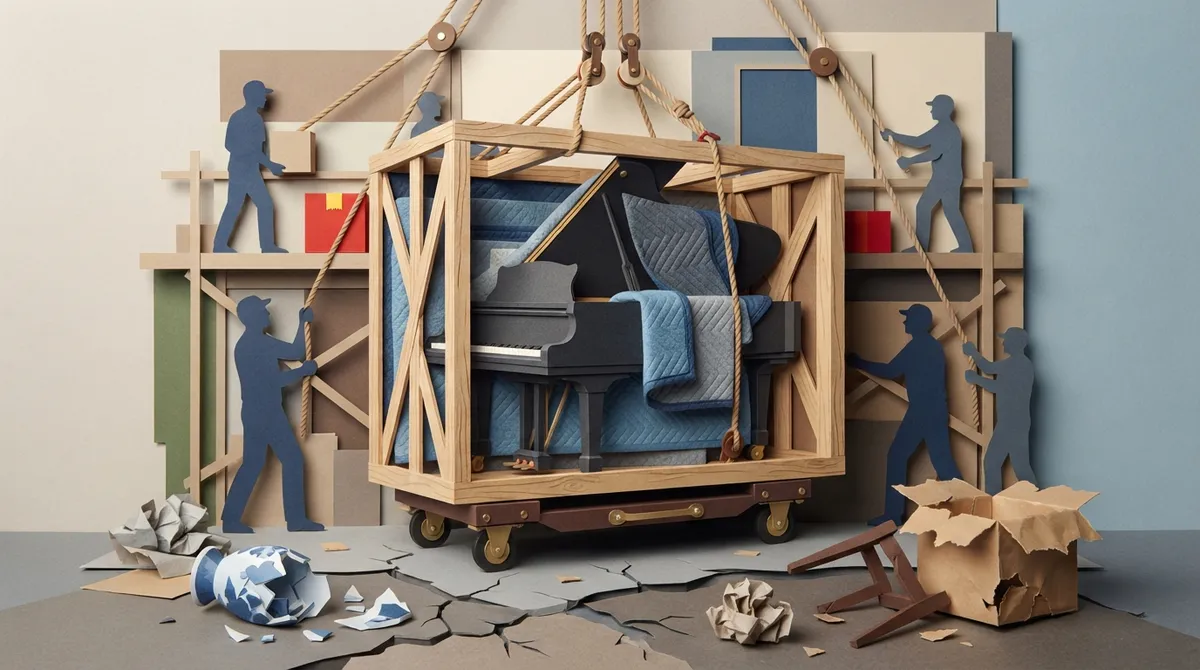
Professional movers use piano boards, stair-climbing dollies, hoists, lifting straps, and custom padding. Most homeowners don't own this gear, and renting it can add up fast. Without the right tools, you risk injury or serious property damage.
The Physical Risk
Heavy lifting sends thousands of people to the emergency room every year. A piano can weigh anywhere from 300 to over 1,000 pounds. Add stairs, tight doorways, or an uneven driveway, and the risk climbs even higher. If you're managing a move alone or with untrained help, this is where things go wrong.
The Hidden Costs of Mistakes
A dropped hot tub or a scratched antique dresser doesn't just hurt emotionally. It hurts financially too. Repair or replacement costs for high-value items often far exceed what you would have paid a professional in the first place.
Hiring Specialty Item Movers: What You Actually Get
Professional specialty item movers bring more than muscle. They bring a process. Here's what a typical job looks like when you hire trained pros.
- An assessment of your item's size, weight, and condition, along with the moving route
- A review of stairs, doorways, elevators, and any tight spots along the path
- Partial disassembly when needed, such as removing piano legs or pedal assemblies
- Careful wrapping using blankets, straps, or custom crates for fragile pieces
- Safe loading using specialized equipment like piano boards or appliance dollies
- Reassembly and placement at your new home
This kind of process protects your belongings from the first lift to the final setup. It's also why many families searching for how to move a piano safely without damaging it end up calling professionals instead of going it alone.
DIY vs. Specialty Item Movers: A Side-by-Side Look
| Factor | DIY Moving | Specialty Item Movers |
|---|---|---|
| Equipment | Rented or borrowed, often incomplete | Purpose-built tools like piano boards and hoists |
| Injury Risk | High, especially with stairs or heavy lifting | Low, trained crews use proper techniques |
| Damage Risk | High for floors, walls, and the item itself | Low, with padding and careful handling |
| Insurance Coverage | None, unless you buy separate coverage | Valuation protection included or offered |
| Time Investment | Hours of planning plus the move itself | Scheduled and completed efficiently |
| Cost | Lower upfront, higher risk of expensive mistakes | Upfront cost, but predictable and protected |
How Much Does It Cost to Hire Specialty Item Movers?
Pricing depends heavily on the item, distance, and access at both locations. According to 2025 consumer data from HomeAdvisor's moving cost guide, here's what homeowners typically pay:
- Piano moves: roughly $260 to $580, averaging around $400
- Hot tub moves: roughly $200 to $1,000
- Pool table moves: roughly $50 to $4,000, depending on disassembly and distance
That pool table range looks wide because it is. A simple move down the hall costs far less than a cross-state relocation with full disassembly and reinstallation. Stairs, tight turns, and long carry distances from the truck to the door also affect your final price. This is why a written estimate matters so much, and why what to expect from a free moving estimate is worth reading before you book anyone.
Insurance and Valuation: The Part Most People Skip
This is where DIY movers get caught off guard. If you hire an unlicensed mover, or move the item yourself, there's no protection if something breaks. Even with professional movers, not all coverage is equal.
For interstate moves, federal rules require regulated movers to offer valuation options. Under FMCSA guidance on moving insurance, Released Value protection limits liability to just $0.60 per pound per article. That means a 900-pound safe would only be covered up to $540, even if it's worth far more. Items over $100 per pound are considered high-value articles and should be declared separately on your paperwork.
Before you sign anything, ask your mover:
- Is this estimate binding or non-binding?
- Does the price include packing, crating, disassembly, and reassembly?
- What valuation protection applies to my specific items?
- Is third-party insurance available for high-value pieces?
- Are there extra fees for stairs, long carries, or building permits?
When DIY Might Actually Work
To be fair, not every move requires a professional. A small side table or a lightweight bookshelf is usually safe to handle yourself. DIY makes sense when:
- The item weighs under 100 pounds and isn't fragile
- You have at least one helper and basic moving straps
- There are no stairs or tight doorways involved
- The item has low sentimental or dollar value if damaged
But once you're dealing with a piano, safe, hot tub, or antique heirloom, the math almost always favors hiring help. The peace of mind alone is worth it, especially for retirees and seniors moving to a new home who can't risk the physical strain.
How to Prepare Before Movers Arrive
Whether you hire pros or attempt a hybrid approach, preparation matters. Here's a simple checklist to follow before moving day:
- Measure doorways, hallways, and stairwells to confirm your item will fit
- Reserve elevators or loading docks if you live in an apartment or condo
- Clear pathways of rugs, furniture, and clutter
- Protect floors with padding or moving blankets
- Remove contents from safes, drawers, or appliances
- Disconnect utilities for hot tubs or large appliances ahead of time
- Take photos of valuable items to document their condition
This kind of prep work applies whether you're moving locally in Lakeland or coordinating a longer trip. For families managing bigger transitions, our guide on packing and moving services in Polk County covers even more ways to stay organized.
Choosing a Licensed and Insured Specialty Mover
Not every mover advertising "specialty services" actually has the training or equipment to back it up. Here's how to spot a legitimate provider:
- They ask detailed questions about your item's size, weight, and condition
- They explain their experience with your specific item type
- They provide a written estimate with clear terms
- They carry proper licensing and insurance
- They avoid vague promises about covering an item's "full value"
For interstate moves, you can verify a company's registration through FMCSA resources before booking. Locally, our article on how to spot licensed and insured movers in Polk County breaks this down step by step.
At DynaMight Movers, we've built our reputation across Lakeland, Winter Haven, Davenport, and Dover by treating every piano, safe, and antique like it belongs to our own family. We're licensed, insured, and equipped with the right gear for the job. You can see what our DynaMight Movers customers say on Google before making your decision.
Making the Right Call for Your Move
So, DIY or specialty item movers? If your item is heavy, fragile, valuable, or awkward to carry, the answer is almost always to call in professionals. The upfront cost is small compared to the risk of injury, property damage, or losing something irreplaceable. Whether you're downsizing for retirement, relocating a family estate, or just trying to protect that piano you've owned for decades, a trained crew makes all the difference.
Ready to protect your specialty items and skip the stress? Get a free estimate today, or call us at (866) 349-7719 to talk through your move with our friendly team. We're here to help your family move forward, one careful lift at a time.
FAQs
Q: What items are considered specialty items in a move?
A: Great question! Specialty items include pianos, gun safes, pool tables, hot tubs, fine art, antiques, grandfather clocks, and large aquariums. Basically, anything unusually heavy, fragile, or valuable that needs extra care and equipment to move safely.
Q: How much does it cost to hire specialty item movers?
A: It really depends on the item and your specific move. Piano moves typically run $260 to $580, hot tubs range from $200 to $1,000, and pool tables can be anywhere from $50 to $4,000 depending on disassembly and distance.
Q: Do specialty movers disassemble and reassemble heavy items?
A: Yes, most professional specialty movers handle disassembly and reassembly as part of the job. This is common for pianos, pool tables, hot tubs, and grandfather clocks, but always confirm it's included in your written estimate.
Q: What insurance covers my piano, safe, or antique during a move?
A: For interstate moves, federal rules require movers to offer valuation protection, though Released Value only covers $0.60 per pound per item. That's why it's smart to declare high-value pieces separately and ask about additional coverage options.
Q: How can I verify a specialty moving company is licensed and insured?
A: You can check a mover's registration through FMCSA resources for interstate moves, and always ask to see proof of local licensing and insurance. A trustworthy company will happily share this information before you book.