
Key Takeaways
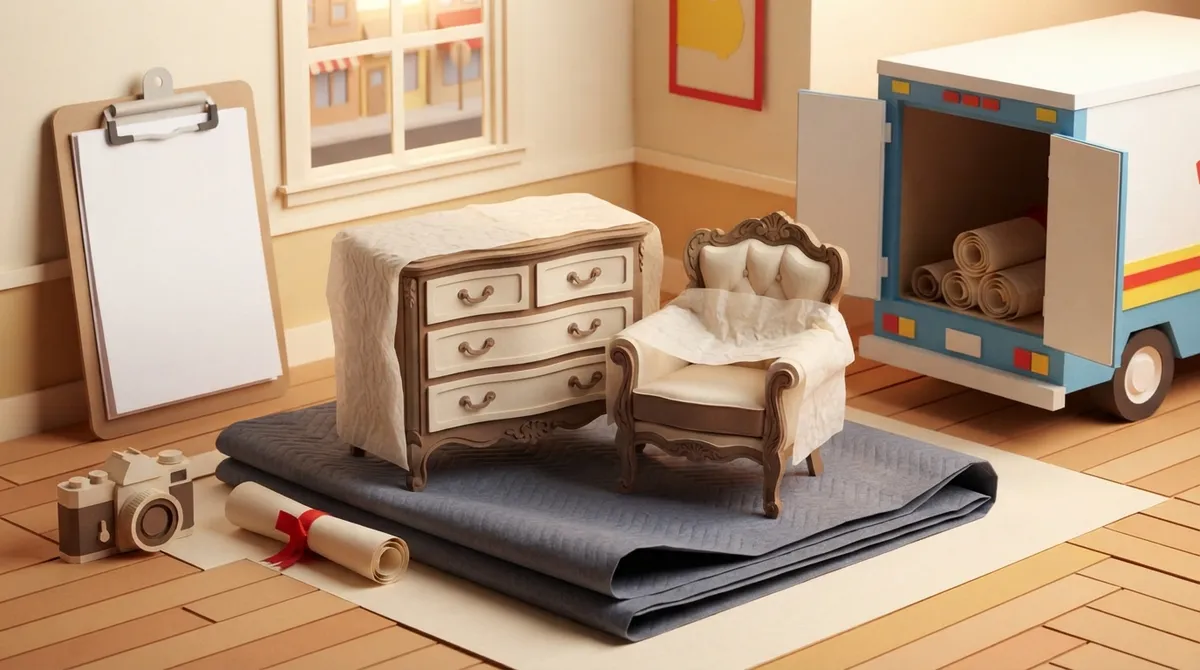
- Before moving, photograph each antique from several angles, document existing damage, and attach appraisals or purchase records to create proof of condition.
- Tell your mover in writing about every high-value antique and ask how each item must be listed on shipping documents, since verbal mentions can be forgotten.
- For interstate moves, Released Value is limited to 60 cents per pound per article, which can leave a large gap for heavy antiques, so compare it carefully with Full Value Protection.
- Antiques valued above $100 per pound may have limited liability unless specifically declared on shipping documents, so disclose them and get the terms in writing.
- Ask prospective movers about experience with veneer, glass, and carved details, and request an in-home or video assessment before accepting a quote.
- Inspect antiques at delivery before signing, noting visible damage on the paperwork, and report claims promptly since FMCSA gives interstate customers nine months to file.
That old oak sideboard from your grandmother's dining room is more than wood and varnish. It holds holiday dinners, family stories, and maybe a few secret scratches from childhood. So when moving day comes, handing it to just anyone can feel a little scary. That is exactly why antique furniture movers exist.
Antique furniture movers are household-goods pros who plan, pack, protect, load, transport, and place valuable or fragile furniture. Old pieces are different from new ones. They may have thin veneer, loose joints, carved details, delicate glass, or finishes that scuff at a touch. Ordinary moving habits can do real harm.
This guide walks you through what to look for in a mover, how to prepare your pieces, how packing should work, and what the rules say about protection and claims. Whether you live in Polk County and are moving across town, relocating out of state, or downsizing from a family estate, you will find clear, friendly steps you can use right away.
What Do Antique Furniture Movers Actually Do?
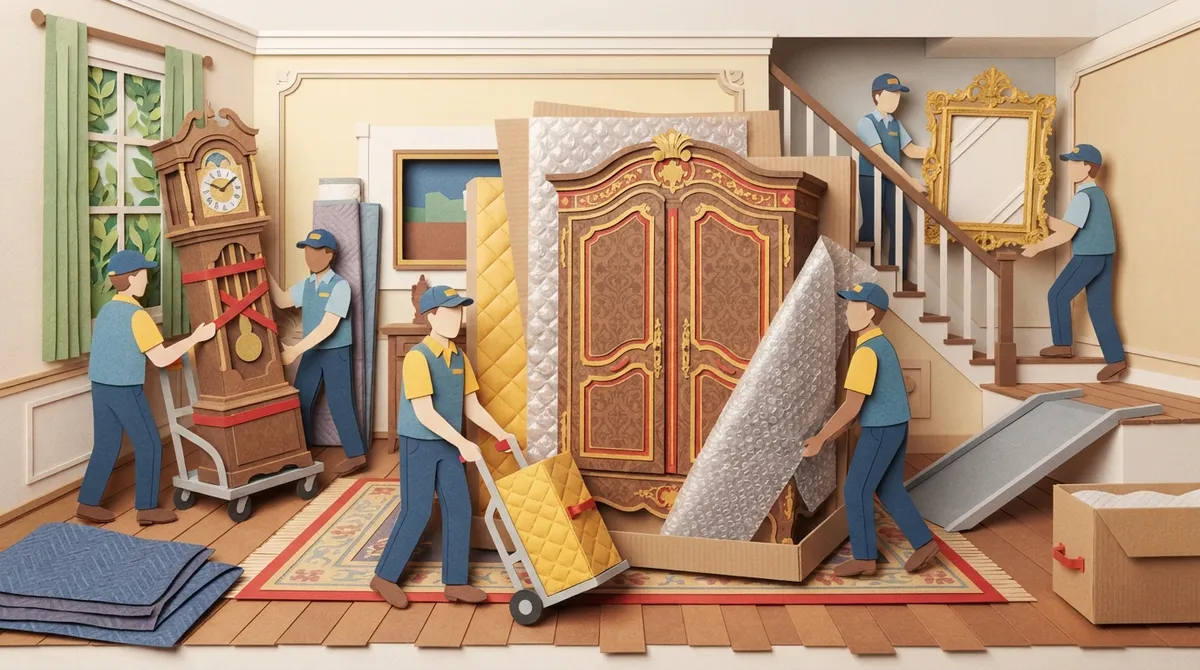
A good antique furniture moving team does much more than lift and carry. They look at each piece, think about how it was built, and choose the safest way to handle it. Then they carry out that plan from your front door to your new room.
Here is what the job usually includes:
- Walking through your home to assess each piece and the route out
- Noting dimensions, tight doorways, stairs, and other access problems
- Checking for loose parts, existing damage, and fragile areas
- Deciding whether a piece needs disassembly or special equipment
- Wrapping, padding, bracing, and crating items for transport
- Loading the truck so pieces cannot shift or rub together
- Unloading, placing, and reassembling at the new home
The key idea is that the method fits the item. A marble-top table, a glass-front china cabinet, and a veneered dresser all need different care. If a mover treats them all the same, that is a red flag.
Why Antiques Need Extra Care
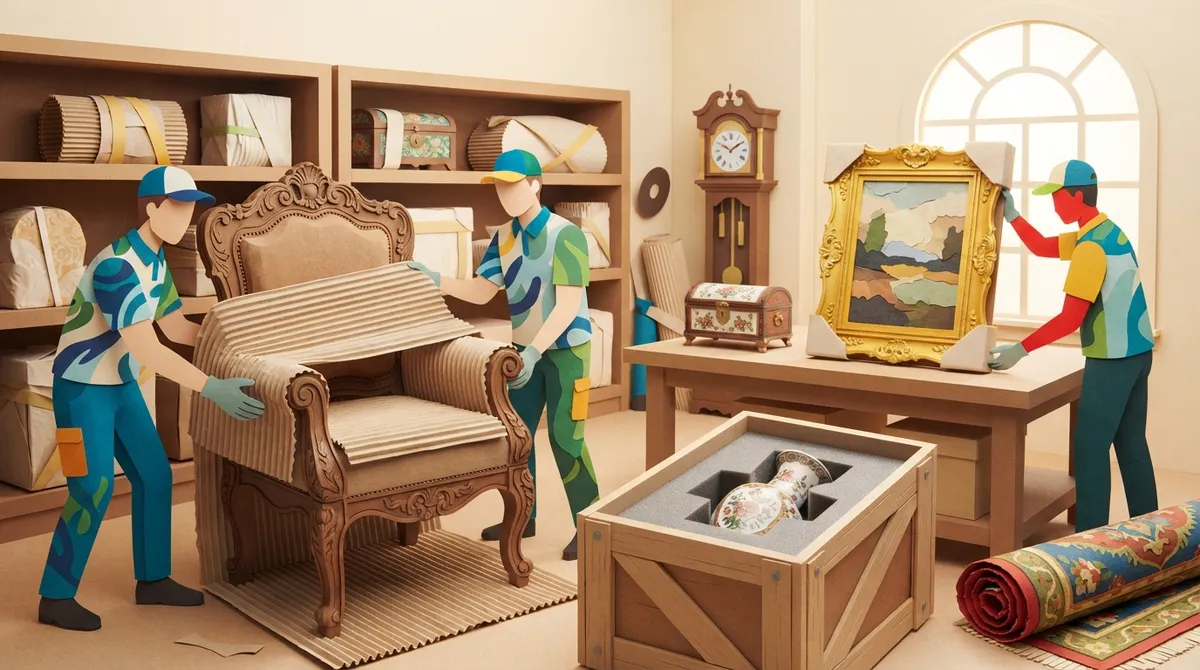
Antiques age. Glue weakens, wood dries, and finishes get thin. Pieces that look sturdy may be held together by old joinery that does not like bumps or twisting. Fragile details can break in seconds.
Common weak points include:
- Veneer and marquetry: thin decorative layers that can lift or chip
- Carved details: feet, finials, and trim that snap easily
- Glass and mirrors: doors, shelves, and panels that crack under pressure
- Old finishes: shellac, wax, or paint that scuff or stick to wrapping
- Loose joints: chairs and tables that wobble when lifted wrong
Because of this, experience matters. Ask any mover whether the crew has handled the exact materials and construction in your home. If you own a grandfather clock, you may also like our guide on how to move a grandfather clock safely.
How to Find and Compare Antique Furniture Movers
Finding the right team is the biggest step. A little homework now saves a lot of heartache later. Use this simple process.
- Ask about relevant experience. Ask what antique pieces the crew has moved and how they handled veneer, glass, and carved parts.
- Request an in-home or video assessment. A mover who has seen your pieces can plan better than one guessing from a phone call.
- Get a written estimate. It should list the services included and any special handling charges.
- Verify licensing and insurance. Confirm the company is properly registered and ask for proof of coverage. Our guide on spotting licensed and insured movers in Polk County shows you how.
- Ask for a written explanation of valuation terms. You want to know exactly what is and is not covered for antiques.
- Read recent reviews. Look for stories about careful handling of delicate or specialty items.
If you are still weighing options, our article on how to choose specialty item movers you can trust pairs nicely with this list.
How to Prepare Your Antiques Before Moving Day
Preparation protects both your furniture and your peace of mind. A few hours of work here can prevent disputes later.
Document Everything
Photograph each piece from several angles. Capture existing scratches, chips, stains, and repairs. Take close-ups of maker's marks, labels, and any hardware. These photos become your proof of the condition before the move.
Build a Simple Inventory
List each antique with a short description, approximate size, and any identifying details. If you have appraisals, receipts, or purchase records, attach copies. This helps you and the mover agree on what is being moved and what it is worth.
Tell the Mover in Writing
This step matters more than most people realize. Tell your mover in writing about every high-value antique and ask how those items must be listed on the shipping documents. Verbal mentions can be forgotten. Written notes protect you.
Prep the Pieces Themselves
- Empty drawers and cabinets unless the mover advises otherwise
- Remove loose items such as shelves, hardware, and glass panels, and keep them labeled
- Clean lightly with a soft dry cloth, since heavy polishing can leave residue that sticks to wrapping
- Measure doorways and hallways at both homes
How Antique Furniture Should Be Packed
There is no single right way to pack antiques. The best method depends on the item. Ask your mover to explain the materials and process for each major piece.
| Type of Piece | Common Protection Approach | Special Attention |
|---|---|---|
| Dressers and chests | Padded blankets, secure wrapping, corner protection | Remove or secure drawers so they cannot slide out |
| Tables with legs | Wrapped legs, padded top, bracing | Detach legs only if the joinery allows it |
| Glass-front cabinets | Padding, cartons or crates for glass, firm bracing | Take out or tape down shelves and panels carefully |
| Mirrors and frames | Custom cartons or crating | Keep upright and avoid pressure on the surface |
| Chairs and delicate seating | Individual wrapping, padding between pieces | Lift by the frame, never the arms or back |
Notice that delicate finishes may need a soft layer before wrapping so material does not stick. A careful crew knows this. If you would like a broader look at wrapping and boxing options, see our overview of packing and moving services in Polk County.
Disassembly and Reassembly: Should Movers Take Your Antiques Apart?
Sometimes yes, sometimes no. Taking apart a large bed frame or dining table can make it safer to carry. But old joints and fasteners can be fragile, and forcing them apart can cause damage.
A careful mover will look at the piece first and tell you whether disassembly helps or hurts. If a piece must come apart, the crew should label parts, bag hardware, and keep everything together. If you want to learn more about this, our post on whether movers disassemble and reassemble furniture covers the basics.
Understanding Valuation, Insurance, and Your Rights
This is the part many people skip, and it is where antiques owners need to pay the closest attention. Moving protection works differently from regular insurance, so let us keep it simple.
Two Valuation Options on Interstate Moves
For interstate household-goods moves, federal rules require movers to offer two options. According to the Federal Motor Carrier Safety Administration (FMCSA), these are Full Value Protection and Released Value.
- Full Value Protection generally offers a more complete level of liability, subject to the mover's terms and exceptions. FMCSA states the minimum valuation level is $6 per pound multiplied by the shipment's weight. A mover may set a higher minimum, or you may declare a higher value. Always confirm the mover's current terms.
- Released Value is limited to no more than 60 cents per pound per article. For a heavy antique that is worth far more than its weight, that can leave a big gap.
These are valuation options, not always the same as a separate insurance policy. You can learn more directly from the FMCSA tips for a successful move.
Why Antiques Are Special Under the Rules
FMCSA describes an article of extraordinary value as one valued above $100 per pound, and antiques are among its examples. Movers may limit their liability for such items unless you specifically declare them on the shipping documents. That is why writing down your antiques and getting the mover's terms in writing is so important.
Check Your Paperwork
For interstate moves, verify the mover's FMCSA registration and review the estimate, bill of lading, inventory, and valuation choice before you sign. State and local rules can differ, so ask about those too. The FMCSA guide to your rights and responsibilities when you move is a helpful read.
What About Costs?
Antique moving rarely has a single flat price. Cost depends on the number of pieces, their size and weight, packing materials, crating needs, stairs, distance, and any special equipment. Extra labor for careful handling is also common.
Instead of chasing the lowest number, focus on a clear written estimate. It should list the services and any special handling charges so there are no surprises. For general budgeting help, see how movers charge in 2026 and what factors determine moving company pricing.
If you want to know your real price, the easiest path is to get a free estimate after the mover has seen your pieces.
Tips for Different Kinds of Movers
Every move has its own story. Here is how antique care fits several common situations.
- Local homeowners: A short drive still has risks. Bumpy roads, tight turns, and repeated lifting all stress old joints. Ask for the same careful wrapping you would want for a long haul.
- Long-distance movers: Plan early, confirm valuation terms in writing, and keep your inventory and photos handy. Distance adds time in transit, so crating can be worth it for the most fragile pieces.
- Luxury apartment residents: Elevators, loading docks, and building rules matter. Ask your mover to coordinate timing and floor protection so your pieces and the building both stay safe.
- Retirees and downsizers: Choose a patient crew who explains each step. If you are moving from a long-time home, our guide to senior moving services in Polk County can help.
- Family estate owners: Large homes often hold many bulky and delicate pieces. Group items by room, label clearly, and consider a staged plan so the crew is never rushed.
Moving Day: What to Expect and Watch For
On the day itself, stay close and stay calm. A good crew welcomes questions.
- Walk the crew through the home. Point out your antiques and any quirks you know about.
- Confirm the inventory. Make sure each antique is listed and described on the paperwork.
- Watch the wrapping. Pieces should be padded and secured before leaving the house.
- Check the truck loading. Antiques should be placed so they cannot slide, tip, or rub.
- Inspect at delivery. Look over each piece as it comes off the truck, before signing anything.
If you notice a problem, record visible issues on the paperwork and take photos right away.
What to Do If Something Gets Damaged
Even with great care, accidents can happen. If one does, act quickly and keep records.
- Note the damage on the delivery paperwork before you sign
- Take clear photos from several angles and compare them to your before photos
- Report the loss or damage to the mover promptly
- Keep receipts, appraisals, and any repair estimates
FMCSA states that interstate customers generally have nine months from delivery to file a written claim. Do not wait that long if you can help it. The sooner you report, the easier it is to sort out.
Why Choose a Local Team Like DynaMight Movers
Antiques are personal, and local knowledge helps. DynaMight Movers is a licensed and insured moving company serving Polk County, including Lakeland, Winter Haven, Davenport, and Dover. The team handles specialty items and heavy lifting with clear, transparent pricing and a focus on treating your belongings with respect.
You can see what neighbors say by visiting DynaMight Movers on Google and reading real customer reviews.
Ready to Move Your Treasures With Confidence?
Antique furniture deserves a mover who slows down, plans ahead, and respects its history. Compare experience, get everything in writing, document your pieces, and understand your valuation choices before you sign. Do that, and your heirlooms have a much better shot at arriving safe and sound.
If you are ready to talk through your move, get a free estimate or call us at (866) 349-7719. We would love to help you protect the pieces that matter most.
FAQs
Q: How do I find movers who specialize in antique furniture?
A: Start by asking each company about specific experience with veneer, glass, carved details, and delicate finishes. Request an in-home or video assessment, a written estimate, and a written explanation of valuation terms. Recent reviews that mention careful handling of delicate items are also a great sign.
Q: Does moving insurance cover antiques and heirlooms?
A: It depends on the valuation option and the mover's terms. For interstate moves, Released Value is limited to no more than 60 cents per pound per article, which can fall far short for heavy antiques. FMCSA notes that antiques valued above $100 per pound may be limited unless you declare them in writing, so always disclose them and get the terms in writing.
Q: What should I tell movers about high-value antiques?
A: Tell them in writing about every valuable piece, share your inventory, photos, and any appraisals or purchase records, and ask how each item must be listed on the shipping documents. Clear written notice helps protect your claim rights if something goes wrong.
Q: What should I do if my antique furniture is damaged during a move?
A: Note the damage on the delivery paperwork before you sign, take photos, and report the problem to the mover right away. For interstate moves, FMCSA says customers generally have nine months from delivery to file a written claim, but it is best to act quickly.
Q: Do movers take antique furniture apart and put it back together?
A: Sometimes, but not always. A careful mover inspects each piece first and only disassembles it if the joinery can handle it. When parts are removed, the crew should label them, bag the hardware, and reassemble everything at your new home.