
Key Takeaways
-
Professional movers significantly reduce injury risk for heavy medical equipment weighing 100+ pounds, which commonly causes serious moving injuries when handled by untrained individuals without proper tools.
-
Always contact your medical equipment manufacturer before moving to get specific transport instructions, as some devices must be powered down, drained, or positioned upright during transit to prevent damage or warranty voidation.
-
Professional movers' liability insurance coverage protects your equipment if damage occurs during transit, whereas DIY moves leave you paying out-of-pocket for repairs or replacements of expensive medical devices.
-
Hire professional movers for any equipment over 100 pounds, hospital-style beds, items requiring stairs or tight doorways, long-distance moves, or equipment critical to daily health management.
-
Document equipment condition with photos before moving and use original manufacturer packaging when possible to protect delicate medical devices and create evidence for insurance claims.
-
Florida movers are regulated under Chapter 507 requiring written estimates with no surprise fees, and booking 2-4 weeks in advance ensures specialists have time to plan proper handling for your specific equipment.
You just got the call. Whether it’s a new job across town, a long-awaited move to a bigger home, or a fresh start after a major life change — the excitement is real. But then you look at your medical equipment and feel that familiar knot of worry tighten in your chest. How do you move a heavy, sensitive, or expensive piece of medical equipment without damaging it or yourself?
This is a question more people face than you might think. From home oxygen concentrators to hospital-grade beds, power wheelchairs to CPAP machines — medical equipment moving is a serious challenge. Some folks try to handle it themselves to save money. Others call in professional movers who specialize in delicate and heavy items. So which option is really better? Let’s break it down together in a friendly, honest comparison so you can make the smartest choice for your move.
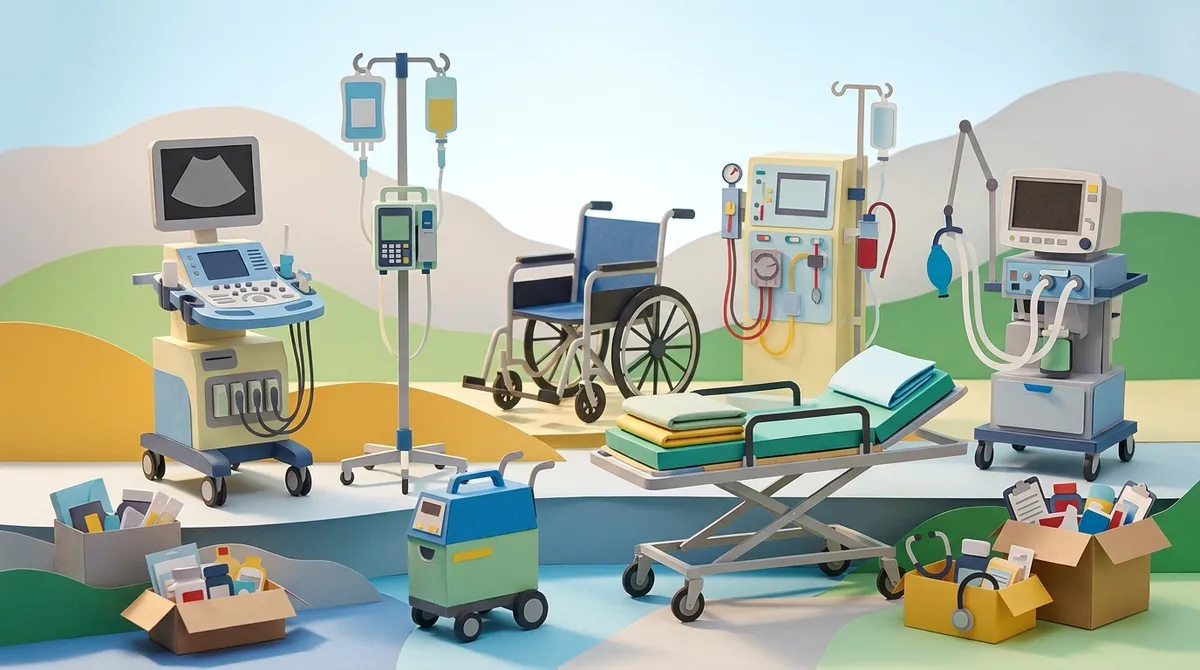
What Counts as Medical Equipment in a Move?
Before we compare DIY versus professional moving, let’s get clear on what we’re talking about. Medical equipment comes in all shapes and sizes, and each type brings its own moving challenges.
- Mobility aids: Wheelchairs, walkers, scooters, and lift chairs
- Respiratory equipment: Oxygen concentrators, CPAP machines, nebulizers
- Hospital-style furniture: Adjustable beds, patient lifts, and transfer equipment
- Monitoring devices: Home dialysis machines, blood pressure monitors, infusion pumps
- Large durable medical equipment (DME): Stairlifts, ceiling lifts, and full-size hospital beds
Each of these items is expensive, often fragile, and sometimes critical to someone’s daily health. That’s what makes medical equipment moving so different from moving a couch or a box of dishes.
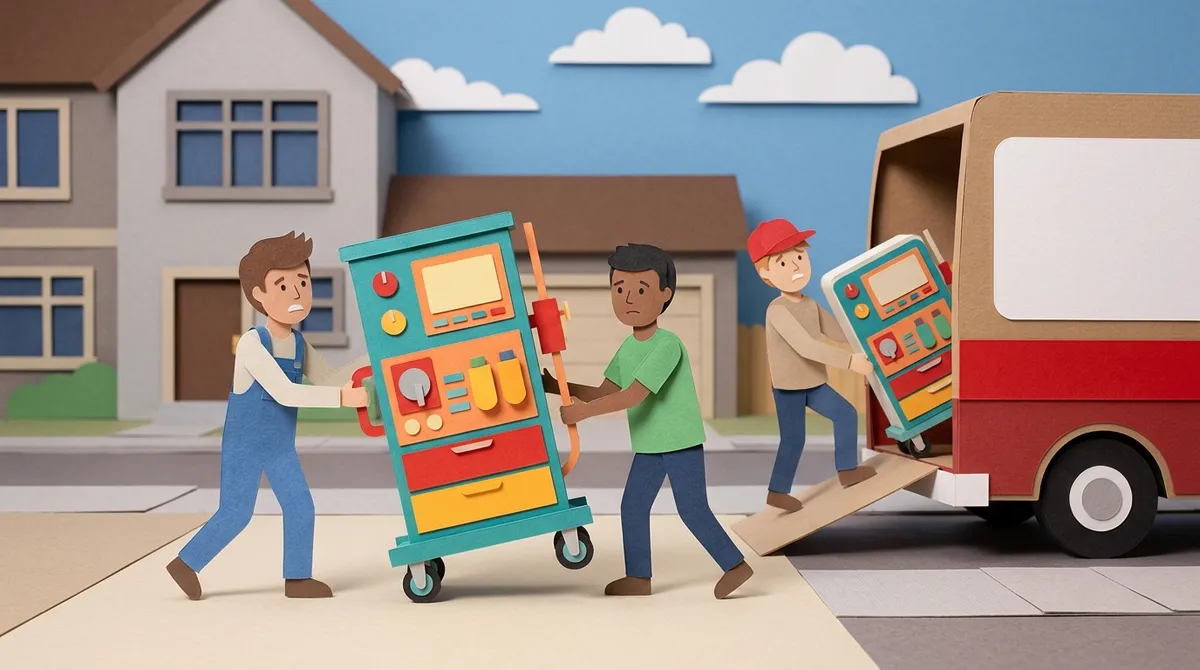
DIY Medical Equipment Moving: The Pros and Cons
Many people start by thinking, “I’ll just handle this myself.” It’s understandable. You want to save money and stay in control. But let’s look at the full picture before you grab your back brace and a dolly.
The Good Side of Going DIY
- You control the timeline. You can move at your own pace and schedule, especially for smaller items.
- No waiting around. You don’t have to coordinate with a moving crew for minor relocations.
- Lower upfront cost. If you already have help from friends or family, you may avoid hiring fees.
DIY sounds appealing, especially for compact items like CPAP machines or portable oxygen tanks. If you’re just moving a few small pieces across town, a careful, well-planned DIY approach might work just fine.
The Risky Side of DIY
- Physical injury risk: Hospital beds and power wheelchairs can weigh 200–500 pounds or more
- Equipment damage: Dropping or bumping delicate electronics can void warranties or cause dangerous malfunctions
- No insurance coverage: If something breaks, you’re paying out of pocket
- Improper transport: Some medical devices must stay upright or in specific positions during transit
- Legal liability: Moving large items without proper equipment can lead to property damage or injuries
Here’s the hard truth: most serious injuries during moves happen when people attempt to lift heavy, awkward items without the right tools or training. Medical equipment often fits that description perfectly.
Professional Medical Equipment Moving: The Pros and Cons
Now let’s look at what you get when you hire professional movers who understand how to handle specialty items safely and efficiently. This is where the comparison really starts to shift.
Why Professional Movers Win for Medical Equipment
- Proper equipment and tools: Professional movers use dollies, straps, ramps, and padding designed for heavy or delicate loads.
- Trained handling techniques: Experienced movers know how to lift, angle, and navigate bulky items through doorways and stairs without damage.
- Insurance protection: Reputable movers carry liability coverage, which protects your equipment if something goes wrong.
- Faster and safer execution: What might take you and two friends hours of struggle can be done in a fraction of the time by a skilled crew.
- Peace of mind: You can focus on your health, your family, and the transition — not on whether your equipment will survive the trip.
The FMCSA “Consumer Rights and Responsibilities” outlines what movers are legally required to offer you, including cargo liability coverage options. Always ask your mover about these protections before moving day.
Are There Any Downsides to Hiring Pros?
- You’ll pay more than a pure DIY move
- You need to schedule in advance, especially for specialty moves
- Not all movers are trained for medical or specialty equipment — you need to choose carefully
The key takeaway? The downsides are manageable. The risks of DIY for medical equipment moving are not.
Head-to-Head Comparison: DIY vs. Professional Movers
| Factor | DIY Moving | Professional Movers |
|---|---|---|
| Safety for Heavy Equipment | High risk of injury | Low risk with proper tools |
| Equipment Damage Risk | Moderate to high | Low with trained handling |
| Time Efficiency | Slow and labor-intensive | Fast and organized |
| Insurance Coverage | None (unless you arrange separately) | Included with reputable movers |
| Stress Level | High | Low |
| Upfront Cost | Lower | Moderate (worth the value) |
| Best For | Small, portable devices only | All types of medical equipment |
Special Considerations for Medical Equipment Moving
Whether you choose DIY or professional help, there are important steps every person should take before moving medical equipment. These apply especially to Florida residents navigating local moves in Hillsborough, Polk, and Pasco counties.
Before the Move: What to Do First
- Contact your equipment provider or manufacturer. Ask for specific transport instructions for your device. Some machines must be drained, powered down, or shipped separately.
- Document the equipment’s condition. Take photos and videos of everything before it’s packed. This protects you if any damage occurs during transit.
- Check your insurance. Review your home or health insurance for any coverage on durable medical equipment during a move.
- Create a priority access plan. If someone in your home depends on the equipment daily, plan for how they’ll manage during the transition window.
- Use the original packaging when possible. Manufacturer boxes and foam inserts offer the best protection for delicate medical devices.
The moving checklist from the FMCSA is a helpful starting point for planning any move — including one that involves sensitive or specialty equipment.
Florida-Specific Moving Regulations You Should Know
If you’re moving within Florida, it’s worth knowing that movers are regulated under Florida Statutes Chapter 507 (Household Moving Services). This law protects you from surprise fees and requires written estimates for all moves. Knowing your rights helps you hire the right mover with confidence.
Who Should Always Hire Professional Movers for Medical Equipment?
Some situations make professional help a non-negotiable choice. Here’s a quick list of when you should absolutely call in the pros:
- You’re moving a hospital-style bed, patient lift, or ceiling track lift system
- The equipment weighs more than 100 pounds
- You’re navigating stairs, narrow hallways, or tight doorways
- You’re doing a long-distance move across county or state lines
- The equipment requires special handling instructions from the manufacturer
- You or a family member depends on the equipment for daily health management
If any of these apply to you, don’t risk it. The cost of replacing or repairing damaged medical equipment is almost always higher than the cost of hiring a professional mover. Our specialty item movers are trained to handle exactly these kinds of challenges with precision and care.
How to Choose the Right Mover for Medical Equipment
Not every moving company has experience with medical or specialty equipment. Here’s what to look for when shopping around:
- Experience with heavy or fragile specialty items
- Proof of liability and cargo insurance
- Transparent, written pricing with no hidden fees
- Good customer reviews and references
- Availability for both local and long-distance moves
Whether you need local moving services within your county or long distance moving across state lines, DynaMight Movers offers the strength, experience, and transparency that specialty moves demand. You can also explore our labor services if you just need help with the heavy lifting portion of your move.
Curious about what sets us apart? Find out more about DynaMight Movers and why Florida families trust us for their most important moves. You can also check out our reviews on Google to see what real customers are saying about their experience.
The Verdict: Which Option Wins?
Let’s be real. For small, lightweight medical devices like a CPAP machine or a portable nebulizer, a careful DIY approach is probably fine. Pack it well, keep it secure in your vehicle, and handle it with care.
But for anything heavy, complex, or critical to someone’s health? Professional movers win every single time. The combination of proper tools, trained technique, insurance protection, and stress-free execution simply cannot be matched by a DIY effort — no matter how motivated or well-meaning you are.
Medical equipment moving is not the place to cut corners. The people who depend on this equipment deserve a move that protects both their belongings and their well-being. That’s a goal worth investing in.
Ready to Make Your Medical Equipment Move Stress-Free?
Don’t leave your most important belongings to chance. Whether you’re moving across town or across state lines, our team is ready to help. Request your free moving estimate today and let DynaMight Movers handle the heavy work so you can focus on what matters most. You can also browse our moving tips blog for more helpful guidance on planning your next move. Have questions right now? Give us a call at 866-349-7719 — we’re happy to help!
FAQs
Q: Can professional movers safely transport all types of medical equipment?
A: Great question! Most experienced professional movers who specialize in specialty items can handle a wide range of medical equipment, from power wheelchairs to hospital-style beds. Just be upfront about what you need to move so your movers can bring the right tools and plan accordingly.
Q: Do I need to notify my medical equipment provider before moving the device?
A: Yes, and it’s a really smart step! Many manufacturers provide specific transport guidelines for their devices, especially for powered or electronic equipment. A quick call to your provider can save you from accidental damage and even protect your warranty.
Q: Will my medical equipment be covered by the mover’s insurance during transport?
A: Reputable moving companies carry cargo liability coverage that can protect your items during the move. Always ask your mover about their insurance options and consider getting a written estimate that includes coverage details — you’ll feel so much better knowing you’re protected!
Q: How far in advance should I book movers for medical equipment moving?
A: We recommend booking at least 2–4 weeks in advance, especially for specialty moves involving large or complex medical equipment. This gives the moving team time to prepare the right tools and plan the safest approach for your specific items.
Q: Is medical equipment moving more expensive than a regular move?
A: It can cost a bit more than a standard move, but the value is absolutely worth it. Specialty equipment requires extra care, training, and sometimes additional tools — but the cost of professional moving is almost always far less than the cost of repairing or replacing damaged medical equipment. Think of it as smart protection!