
Key Takeaways
-
Measure rooms and furniture before moving day, then create a floor plan using graph paper or online tools with a 1-inch-to-1-foot scale to eliminate guesswork and prevent moving heavy pieces multiple times.
-
Use furniture sliders under heavy items to safely glide them across floors without scratching or straining your back, and protect floors with moving blankets and cardboard along pathways.
-
Prioritize placing beds, sofas, and dining tables first, then save accent furniture for last—this keeps moving day manageable and lets you use essential spaces immediately.
-
Disassemble large furniture like bed frames, tables, and dressers before moving, removing legs and storing hardware in labeled bags to fit pieces through doorways and avoid double-moving.
-
Know your team's weight limits and use the two-person carry technique with clear communication; hire professional movers for specialty items like pianos, pool tables, or heavy safes to prevent injuries and damage.
-
Arrange furniture by function first (conversation areas in talking distance, desks near natural light, clear pathways) rather than appearance alone to create livable spaces from day one.
Moving to a new home is exciting. But let’s be honest — figuring out where everything goes can feel overwhelming. Whether you’re relocating across town or across the state, furniture rearranging is one of the most physically demanding parts of any move. And if you do it wrong, you risk injuries, scratched floors, and a whole lot of frustration.
The good news? With the right approach, rearranging your furniture during a move doesn’t have to be a nightmare. From planning your layout in advance to knowing when to call in professional labor services, these tips will save your back — and your sanity. Whether you’re a first-time homebuyer, a growing family, or someone starting fresh after a big life change, this guide has something for you.
Let’s dive into 11 practical tips that make furniture rearranging during your move smoother, safer, and stress-free.

Why Furniture Rearranging Matters During a Move
Furniture rearranging isn’t just about making a room look pretty. It directly affects how livable and functional your new home feels from day one. Poor placement can block natural light, create awkward traffic flow, or make small rooms feel even smaller.
Moving day is actually the perfect time to rearrange. Your rooms are empty. Your furniture is already in transit. And you have a fresh start to design the layout you’ve always wanted. Making smart decisions now saves you from moving heavy pieces again later.
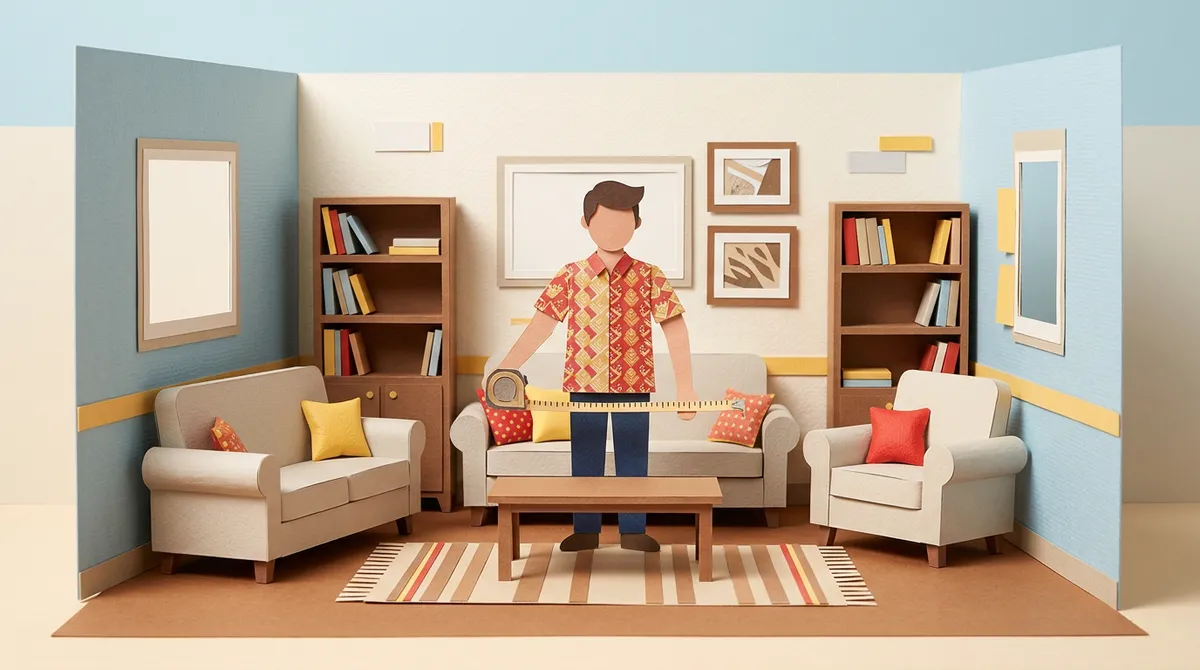
1. Measure Your Rooms Before Moving Day
This step sounds simple, but so many people skip it. Measure every room in your new home before the truck arrives. Write down the length, width, and ceiling height of each space. Also note the location of windows, doors, and electrical outlets.
Then measure your large furniture pieces — sofas, beds, dressers, and dining tables. Knowing these numbers helps you figure out what fits where before the movers even show up. It eliminates guesswork and saves time on moving day.
2. Draw a Simple Floor Plan
You don’t need a design degree for this. Grab some graph paper or use a free online tool to sketch out each room. Mark the walls, windows, and doors. Then cut out small paper shapes to represent your furniture pieces.
Move the paper shapes around until you find a layout you love. This low-effort planning step can save you from moving a heavy couch three or four times on moving day. It also helps your movers know exactly where each piece should go.
- Use a scale of 1 inch = 1 foot for accuracy
- Include doorway widths so you know what fits through
- Mark where you want TV placement and seating
- Consider natural light sources when planning reading areas
- Leave at least 36 inches for main walkways
3. Prioritize High-Traffic Areas First
When the moving truck arrives, focus on placing furniture in high-traffic areas first. These include the living room, kitchen, and master bedroom. Getting these rooms functional quickly makes the rest of the move feel manageable.
Save decorative or non-essential furniture for later. You can always rearrange accent chairs or bookshelves once the essentials are in place. This approach reduces chaos and keeps everyone on the same page during a busy moving day.
4. Use Furniture Sliders for Heavy Pieces
Furniture sliders are inexpensive plastic or felt discs that go under the legs of heavy furniture. They allow you to glide heavy items across hardwood, tile, or carpet without scratching the floor or straining your back.
They’re especially helpful when you’re doing fine-tuning furniture rearranging after the movers leave. Small adjustments become easy and safe. You can find them at any hardware store, and they’re absolutely worth the few dollars they cost.
5. Protect Your Floors and Walls
Rearranging furniture during a move creates real risk for floor and wall damage. Dragging a heavy dresser without protection can gouge hardwood floors or scratch tile. Moving a sofa through a narrow hallway can scuff freshly painted walls.
Use moving blankets, cardboard, or foam padding on floor surfaces when sliding heavy items. Place corner guards on doorframes and walls in tight areas. Taking these small precautions can save you hundreds in repair costs after the move.
- Lay moving blankets over hardwood floors along pathways
- Use cardboard on tile to prevent scratches
- Apply door frame protectors in narrow hallways
- Wrap furniture corners with moving blankets before moving through tight spaces
6. Know the Weight Limits of Your Team
Trying to move a sectional sofa or a king-size bed frame with just two people is a recipe for injury. Furniture rearranging becomes dangerous when the pieces are too heavy for the number of people on hand. Back injuries from lifting improperly are one of the most common moving-day problems.
Be honest about what you and your helpers can safely move. For heavy or oversized pieces, it’s always smarter to bring in professional help. Before you hurt yourself, consider reaching out to DynaMight Movers — a team that specializes in exactly this kind of heavy lifting work.
7. Disassemble Large Furniture When Possible
Large furniture pieces are almost always easier to move when disassembled. Bed frames, bookshelves, and dining room tables often break down into manageable sections. Removing legs from tables and sofas can mean the difference between fitting through a door and getting stuck.
- Remove all drawers from dressers and chests before moving them
- Unscrew and remove table and sofa legs
- Take apart bed frames and label all hardware
- Store screws and bolts in labeled zip-lock bags taped to the furniture piece
- Reassemble furniture in the final room position to avoid moving it twice
8. Use the Two-Person Carry Technique
When two people carry a heavy item, communication is everything. One person should lead and the other should follow. The leader guides the direction and warns about obstacles like stairs or narrow doorways. The follower mirrors the lead’s movements.
Both people should lift from the legs, not the back. Keep the item close to the body. Move slowly and deliberately. If something feels unsafe, stop immediately and reassess. No piece of furniture is worth a trip to the emergency room.
9. Think About Function, Not Just Looks
It’s tempting to arrange furniture based purely on how it looks in a room. But the best furniture layouts balance beauty with function. Think about how you’ll actually use the space day to day before finalizing any arrangements.
- Keep conversation areas in living rooms within easy talking distance
- Ensure bed placement allows easy access from both sides
- Leave room to open closet and cabinet doors fully
- Place desks near natural light sources to reduce eye strain
- Create clear pathways for children and pets to move safely
- Position dining tables to allow chairs to slide out comfortably
10. Handle Specialty Items with Extra Care
Not all furniture is created equal. Specialty items like pool tables, pianos, gun safes, and large entertainment centers require special handling during furniture rearranging. These pieces can weigh hundreds — or even thousands — of pounds. Moving them incorrectly can cause serious damage to the item, the floor, and the people doing the moving.
For these kinds of pieces, always hire professionals. Specialty item movers have the right equipment — dollies, straps, and ramps — to move these safely. Trying to DIY a piano move is one of the most common (and costly) mistakes homeowners make.
11. Call in Professional Help When You Need It
Sometimes the smartest move is knowing when to ask for help. Furniture rearranging is hard work. When you’re already tired from packing and loading, moving heavy furniture in your new home can feel impossible. And that’s completely okay.
Professional movers don’t just transport your belongings from one address to another. Many also offer labor services to help you set up your new space exactly how you want it. Whether you need help with a full move or just a few heavy pieces, the right team makes all the difference. If you’re in Hillsborough, Polk, or Pasco County, you can request a free moving estimate and see how affordable professional help can be.
Furniture Rearranging: What to Move First vs. Last
Having a clear order of operations for furniture rearranging keeps moving day from turning into chaos. Here’s a simple guide to help you prioritize:
| Priority | Furniture Type | Reason |
|---|---|---|
| First | Beds and bedroom furniture | You’ll need a place to sleep on night one |
| Second | Sofa and living room seating | Creates a central gathering space quickly |
| Third | Dining table and chairs | Needed for meals on moving day |
| Fourth | Dressers, bookshelves, desks | Less urgent but needed for organization |
| Last | Accent furniture and décor | Fine-tune placement once essentials are set |
Common Furniture Rearranging Mistakes to Avoid
Even well-prepared movers fall into these traps. Avoid these common mistakes to protect your belongings, your floors, and yourself during furniture rearranging.
- Skipping measurements: Assuming a piece will fit almost always leads to problems
- Lifting with your back: Always bend your knees and lift with your legs
- Moving on dirty floors: Debris under furniture can cause slipping or deep scratches
- Ignoring weight distribution: Uneven loads cause tipping and injuries
- Forgetting to clear pathways: Boxes and clutter in hallways are serious tripping hazards
You can also check out the moving checklist from the FMCSA to make sure you’re covering all your bases before, during, and after your move. It’s a great resource for any type of move, big or small.
Know Your Rights as a Moving Customer
Whether you’re doing a local move or a long-distance relocation, it’s important to understand your rights. Florida residents are protected under Florida Statutes Chapter 507 (Household Moving Services), which governs how movers must operate and what protections you have as a customer. Always review your moving agreement carefully.
If you’re moving out of state, the FMCSA Consumer Rights and Responsibilities guide is required reading. It outlines what interstate movers are legally required to provide and what you can do if something goes wrong. Knowing your rights puts you in control of your move from start to finish.
Wrapping It All Up
Furniture rearranging during a move doesn’t have to be a stressful experience. With a little planning, the right tools, and a smart order of operations, you can set up your new home exactly the way you’ve always imagined it. Measure your spaces, draw your floor plan, protect your floors, and know when to ask for help.
If you’re planning a move in Hillsborough, Polk, or Pasco County, you don’t have to do it alone. The team at DynaMight Movers is here to help with everything from full local moving services to long distance moving and heavy-item labor. Visit us on Google to see what our happy customers are saying, and when you’re ready to get started, get your free moving estimate today. Your best move starts here.
FAQs
Q: Can professional movers help with furniture rearranging in my new home?
A: Absolutely! Many moving companies, including those offering labor services, will help you position furniture exactly where you want it in your new home. It’s a great way to protect your floors and your back — let the pros do the heavy lifting!
Q: What is the best way to rearrange heavy furniture without scratching hardwood floors?
A: Furniture sliders are your best friend here! Place them under the legs or base of heavy pieces and glide them into position without a scratch. You can also lay moving blankets along pathways for extra floor protection.
Q: Should I rearrange furniture before or after unpacking boxes?
A: It’s best to get your large furniture pieces placed first before unpacking boxes. Once the big stuff is in the right spot, unpacking around it is much easier and faster. Think of it as building your room from the ground up!
Q: How do I know if my furniture will fit through doorways in my new home?
A: Measure your doorway widths and compare them to the widest point of your furniture before moving day. Don’t forget to account for the depth of door frames. For tight spaces, disassembling legs or arms can make the difference.
Q: Is it worth hiring professionals just for furniture rearranging help?
A: Yes, especially for heavy or specialty items like sofas, beds, pianos, or gun safes. Professional labor services are often more affordable than people expect, and they save you from potential injuries and floor damage. It’s a smart investment for your new home!