
Key Takeaways
-
Always verify the exact weight of your gun safe, including contents, as manufacturer specs show only empty weight.
-
Use specialized moving equipment like an appliance dolly, heavy-duty straps, and stair climbing dolly to safely transport the safe.
-
Clear the entire moving path, removing furniture and protecting floors with plywood or cardboard to prevent damage during transit.
-
Empty the safe completely before moving and secure the door with tape or straps to maintain balance and protect valuables.
-
For safes over 500 pounds, multiple levels, or complex routes, hire professional movers with specialized equipment and experience.
-
Measure doorways, hallways, and staircases thoroughly to ensure the safe can navigate through your home without getting stuck.
-
Bolt the safe to the floor or wall studs in its final location to prevent tipping and add an extra layer of security.
Moving a gun safe ranks among the most challenging tasks any homeowner will face. These metal fortresses weigh anywhere from 200 to 2,000 pounds, and one wrong move can result in crushed toes, damaged floors, or a ruined staircase. If you own a gun safe and need to relocate it, you are about to face a test of strength, patience, and planning.
This guide walks you through everything you need to know about gun safe moving. You will learn how to measure your safe, prepare your home, choose the right equipment, and decide whether to handle the move yourself or call in professionals. By the end, you will know exactly what it takes to move your gun safe safely and efficiently.
Understanding the Weight and Size Challenge
Gun safes are built to resist theft, fire, and tampering. That construction comes with serious weight. A basic home gun safe weighs around 300 pounds empty. Add your firearms, ammunition, and accessories, and you could be looking at 500 pounds or more. Larger safes designed for collectors can easily exceed 1,000 pounds.
Before you start planning your move, you need to know exactly what you are dealing with. Check the manufacturer specifications for your safe’s weight and dimensions. Measure doorways, hallways, and staircases in both your current location and your destination. A safe that fits through your front door might not make it around a tight corner or up a narrow staircase.
Most gun safes measure between 55 and 72 inches tall, 20 to 40 inches wide, and 18 to 30 inches deep. These dimensions matter because you need at least a few extra inches of clearance on all sides to maneuver the safe through your home. Write down every measurement and create a map of your route before moving day arrives.
Essential Equipment for Gun Safe Moving
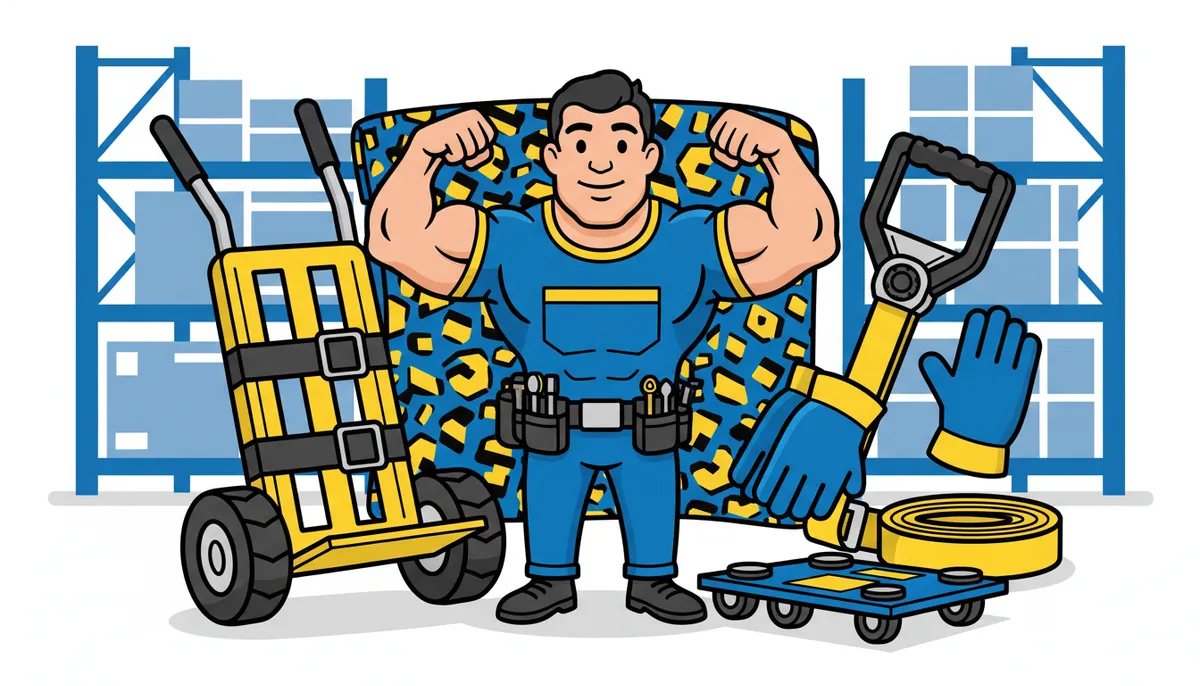
You cannot move a gun safe with your bare hands and good intentions. You need the right tools to do the job safely. Here is what professional movers use, and what you should have if you plan to tackle this yourself:
Moving Equipment You Will Need
| Equipment | Purpose | Why It Matters |
|---|---|---|
| Appliance Dolly | Transport safe on wheels | Reduces strain and protects floors |
| Heavy-Duty Straps | Secure safe to dolly | Prevents slipping and injuries |
| Furniture Sliders | Slide safe across floors | Protects hardwood and tile surfaces |
| Work Gloves | Protect hands and improve grip | Prevents cuts and blisters |
| Stair Climbing Dolly | Move safe up or down stairs | Makes stair navigation possible |
| Floor Protection | Cover walking path | Prevents scratches and dents |
You can rent most of this equipment from home improvement stores or moving supply companies. A standard appliance dolly rents for around fifteen to twenty dollars per day. A stair climbing dolly costs more but becomes essential if your safe needs to go up or down stairs.
Never attempt to move a gun safe with inadequate equipment. The money you save on rentals will disappear quickly if you damage your floors, walls, or the safe itself. Worse yet, you could end up in the emergency room with a serious injury.

Preparing Your Home for the Move
Your home needs preparation before the safe starts moving. This step prevents damage to your property and creates a safer environment for everyone involved in the move.
Pre-Move Home Preparation Steps
- Clear the entire path from start to finish: Remove furniture, rugs, plants, and decorations from every room the safe will pass through. You need a completely clear walkway with no obstacles.
- Protect your floors with plywood or cardboard: Lay down sheets along the entire route to prevent scratches, dents, and scuff marks. Pay special attention to hardwood, tile, and vinyl flooring.
- Remove doors from hinges if needed: Take off any doors that reduce your clearance space. This includes bedroom doors, closet doors, and interior doorways that create tight squeezes.
- Measure stairway width and height: Confirm that your safe will fit through stairwells with room to spare. Check for low-hanging light fixtures or ceiling fans that could interfere.
- Secure pets and children in a separate area: Keep family members and animals away from the work zone. Gun safe moving requires complete focus and no distractions.
Take photos of your floors and walls before the move begins. This documentation helps if you need to file an insurance claim or dispute damage charges. It also gives you peace of mind knowing you have a record of your home’s condition before the work started.

The DIY Approach: What You Need to Know
Some homeowners decide to move their gun safes themselves to save money. This approach can work for smaller safes on single-level homes, but you need to understand the risks and requirements before you start.
Can You Handle This Move Yourself?
- Your safe weighs less than 500 pounds
- You have at least three strong adults to help
- The move stays on one level with no stairs
- You have access to proper moving equipment
- Your floors are in good condition and can handle the weight
- You have experience moving heavy objects safely
If you checked every box above, you might be ready for a DIY gun safe move. However, most gun safe relocations involve at least one factor that makes professional help the smarter choice. Stairs, multiple levels, narrow doorways, or safes over 500 pounds all push this job into professional territory.
DIY moves save money on labor but require equipment rentals, careful planning, and physical strength. You also assume all liability for injuries or property damage. Before you commit to doing this yourself, consider whether the savings justify the risks.
Step-by-Step DIY Moving Process
- Empty your safe completely: Remove all firearms, ammunition, documents, and accessories. This reduces weight and protects your valuables from damage during the move.
- Secure the door with tape or straps: Make sure the safe door cannot swing open during transport. An open door throws off the safe’s center of gravity and creates a dangerous situation.
- Tilt the safe onto the dolly: Position the dolly against one edge of the safe. Have helpers stabilize the safe while you carefully tilt it back onto the dolly wheels.
- Strap the safe tightly to the dolly: Use heavy-duty ratchet straps to secure the safe. Pull the straps as tight as possible and double-check every connection point.
- Move slowly with constant communication: One person guides the dolly while others stabilize the safe and watch for obstacles. Stop frequently to reassess your position and adjust your grip.
- Never rush or take shortcuts: Gun safe moving demands patience and precision. If something feels wrong or unsafe, stop immediately and reassess your approach.
When to Call Professional Movers
Professional movers handle gun safes every week. They own specialized equipment, carry insurance, and know how to navigate the challenges that stop DIY movers in their tracks. Certain situations make specialty item movers the only sensible choice.
Situations That Require Professional Help
- Your safe weighs more than 500 pounds
- The move involves stairs or multiple levels
- You have narrow doorways or tight corners
- Your safe must go up or down a curved staircase
- You lack experience with heavy object moving
- Your floors are delicate or easily damaged
- You cannot recruit enough strong helpers
- Time constraints make a slow DIY move impractical
Professional movers bring teams of trained workers who understand leverage, weight distribution, and safe handling techniques. They also carry liability insurance that protects you if something goes wrong. The cost of professional help often pays for itself in prevented injuries and avoided property damage.
When interviewing moving companies, ask specific questions about their gun safe experience. Request references from customers who had similar moves. Confirm that they carry proper insurance and will provide a written estimate before work begins.
Cost Factors for Professional Gun Safe Moving
Professional gun safe moving costs vary based on several factors. Understanding these variables helps you budget accurately and avoid surprise charges.
| Cost Factor | Impact on Price | What to Expect |
|---|---|---|
| Safe Weight | Major factor | Heavier safes require more workers and equipment |
| Number of Stairs | Significant increase | Each flight of stairs adds complexity and time |
| Distance of Move | Moderate factor | Local moves cost less than long-distance transport |
| Access Challenges | Can double costs | Narrow doorways or tight spaces increase difficulty |
| Floor Protection | Small addition | Professional floor covering prevents damage |
Get quotes from at least three different moving companies. Make sure each quote includes the same services and covers the same scope of work. The lowest price does not always represent the best value, especially when dealing with items as valuable as gun safes.
Companies that specialize in labor services often offer competitive rates for gun safe moving. They understand the unique challenges these moves present and come prepared with the right equipment and expertise.
Protecting Your Floors During the Move
Floor damage represents one of the most common and expensive consequences of gun safe moving. The concentrated weight of a gun safe can crack tile, dent hardwood, and tear vinyl flooring if you do not take proper precautions.
Floor Protection Strategies
- Lay plywood sheets along the entire walking path
- Use heavy-duty cardboard for additional cushioning
- Place furniture sliders under the safe when possible
- Never drag a safe directly across finished floors
- Inspect floors immediately after the move for any damage
- Consider temporary floor runners for carpeted areas
Hardwood floors are especially vulnerable to damage from gun safe moving. Even with protection, the weight can cause impressions or scratches if the safe shifts or tips during transport. Tile floors can crack under point loads if the safe’s weight concentrates on a single tile edge.
If you are moving into a new home, consider installing the gun safe before you move in other furniture. This gives you maximum flexibility in your route and reduces the risk of damaging finished living spaces. For existing homes, schedule floor refinishing or repairs after the safe is in its final position.
Navigating Stairs with a Gun Safe
Stairs represent the biggest challenge in gun safe moving. The combination of weight, height, and gravity creates a dangerous situation that requires specialized equipment and technique. Many homeowners who start as DIY movers call professionals after encountering stairs.
Stair Moving Techniques
- Never attempt stairs without proper equipment: Standard dollies do not work on stairs. You need a stair climbing dolly or motorized stair walker designed for heavy loads.
- Clear the stairway completely: Remove handrails if needed to create maximum clearance. Check that the ceiling height allows the safe to tilt at the necessary angle.
- Use a spotter at the top and bottom: Communication becomes critical on stairs. Spotters watch for obstacles and help guide the safe’s movement.
- Move one step at a time: Never rush stair navigation. Pause after each step to reset your grip and confirm everyone maintains their position.
- Consider crane or hoist options for extreme situations: Some moves require external lifting equipment. This costs more but eliminates the risk of stair navigation entirely.
Basement installations often prove especially challenging because they require moving the safe down stairs with limited room to maneuver. Some homeowners solve this problem by having the safe delivered before the house is finished, allowing installation before the stairway gets fully enclosed.
Post-Move Installation and Setup
Getting your gun safe to its destination is only part of the job. Proper installation ensures your safe functions correctly and provides the security you expect.
Final Installation Steps
- Position the safe in its exact final location before bolting
- Check that the safe sits level using a carpenter’s level
- Bolt the safe to the floor or wall as recommended
- Test the door operation to ensure smooth opening and closing
- Reconnect any electrical dehumidifiers or lighting
- Reload your firearms and valuables in organized fashion
Most gun safes include bolt-down holes in the bottom or back. Use these anchor points to secure your safe to the floor or wall studs. This adds another layer of theft protection and prevents the safe from tipping if someone tries to pry it open.
Concrete floors are ideal for bolt-down installation. Use concrete anchors rated for the safe’s weight. Wood floors require locating floor joists and using lag bolts that penetrate deep into the structural framing. Never bolt a safe only to the subfloor or surface flooring material.
Common Mistakes to Avoid
Gun safe moving has ended badly for many homeowners who made preventable mistakes. Learn from these common errors and save yourself the pain and expense.
Top Gun Safe Moving Mistakes
- Underestimating the safe’s weight: Always verify the actual weight including contents. Manufacturer specs show empty weight only.
- Skipping the measurement step: Measure twice, move once. A safe stuck in a doorway creates a disaster.
- Using inadequate equipment: Standard furniture dollies cannot handle gun safe weight. Invest in proper gear.
- Attempting stairs without help: Stair navigation requires at least three people and specialized equipment. Never try this alone.
- Neglecting floor protection: Repairing floor damage costs far more than renting protection materials.
- Rushing the process: Gun safe moving demands patience. Speed leads to injuries and damage.
- Forgetting to secure the door: An unsecured door can swing open and throw off the safe’s balance.
The biggest mistake homeowners make is overestimating their ability to handle this job alone. There is no shame in calling professionals for help. The cost of professional local moving services is minimal compared to the cost of injuries, floor repairs, or a damaged safe.
Insurance and Liability Considerations
Before you start moving your gun safe, understand who bears responsibility if something goes wrong. This knowledge helps you make informed decisions about DIY versus professional moving.
Insurance Coverage Questions
- Does your homeowner’s insurance cover DIY moving damage?
- What liability limits does your policy include for self-inflicted property damage?
- If hiring movers, what insurance do they carry for specialty items?
- Does the moving company offer additional coverage for high-value items?
- What documentation do you need if filing a damage claim?
- Are there exclusions for damage caused by improper packing or loading?
Most homeowner’s insurance policies do not cover damage you cause while moving your own belongings. If you drop your gun safe through the floor, your insurance company will likely deny your claim. Professional movers carry liability insurance specifically designed to cover damage during moves.
When hiring professional movers, ask about their insurance coverage before signing any contracts. Reputable companies carry both general liability insurance and workers’ compensation. This protects you if a mover gets injured on your property or if the moving company damages your home or belongings.
Special Considerations for Long-Distance Moves
Moving your gun safe to a new state or across the country adds extra complexity to the process. You need to think about transport regulations, climate changes, and finding qualified help at both ends of the move.
Federal law requires proper documentation when transporting firearms across state lines. While you can transport your guns separately from your safe, you must follow the FMCSA “Consumer Rights and Responsibilities” guidelines for moving household goods. Some states have specific requirements for declaring firearms during moves.
Consider shipping your gun safe separately from your household goods for long distance moving. Freight companies specialize in heavy item transport and may offer better rates than traditional moving companies. However, you will need help loading and unloading the safe at both locations.
Long-Distance Moving Checklist
- Research firearms laws in your destination state: Some states require registration or have restrictions on certain types of safes or firearms.
- Get quotes from specialized freight carriers: Compare costs between traditional movers and freight companies that handle heavy equipment.
- Plan for climate differences: Moving from a dry climate to a humid one may require adding a dehumidifier to your safe setup.
- Arrange help at the destination: Line up professional movers or strong helpers before your safe arrives at the new location.
- Document the safe’s condition before transport: Take detailed photos of any existing damage or wear to protect yourself if new damage occurs.
Choosing the Right Moving Company
Not all moving companies have the equipment or expertise to handle gun safes. You need to find movers who specialize in heavy specialty items and have a proven track record of successful safe relocations.
Questions to Ask Moving Companies
- How many gun safes do you move each month?
- What is the heaviest safe you have successfully moved?
- Do you own stair climbing equipment or will you rent it?
- What insurance coverage do you carry for specialty items?
- Can you provide references from recent gun safe moves?
- Will you visit my home for a free estimate before moving day?
- What happens if the safe does not fit through measured spaces?
- Do you charge extra for stairs or difficult access?
The right moving company will send someone to your home for an in-person estimate. They will measure doorways, check stair access, and assess potential challenges before giving you a final quote. Companies that provide phone estimates without seeing your home often underestimate the difficulty and hit you with surprise charges later.
Read online reviews carefully, but focus on reviews that mention specialty item moves. A company with great reviews for standard household moves might lack experience with gun safes. Look for specific mentions of safe moving, piano moving, or other heavy specialty items in customer feedback.
DIY vs. Professional: Making the Final Decision
You have learned the requirements, challenges, and risks involved in gun safe moving. Now you need to make a decision that fits your situation, budget, and risk tolerance.
| Factor | DIY Move | Professional Move |
|---|---|---|
| Cost | Equipment rental plus labor | Professional service fees |
| Risk | You assume all liability | Company carries insurance |
| Time | Several hours to full day | Usually completed in hours |
| Equipment | Must rent or buy | Company provides everything |
| Expertise | Learning as you go | Experienced professionals |
| Physical Demand | Extremely high | None for homeowner |
For most homeowners, professional moving makes financial and practical sense. The cost difference between DIY and professional help narrows when you factor in equipment rentals, helper payments, and the value of your time. Add the risk of injury or property damage, and professional moving often costs less in the long run.
However, if you own a smaller safe (under 400 pounds), have experience with heavy object moving, and face a simple single-level relocation, DIY moving can work. Just make sure you have proper equipment, adequate help, and realistic expectations about the time and effort required.
Regional Considerations for Florida Homeowners
Florida homeowners face unique challenges when moving gun safes. The state’s climate, building codes, and home construction styles all impact how you should approach your safe relocation.
Many Florida homes feature tile floors throughout living spaces. These floors look beautiful but crack easily under point loads from heavy safes. Extra floor protection becomes even more critical in Florida homes. Some homeowners choose to install gun safes in garages to avoid risking damage to interior tile work.
Florida’s humidity can affect gun safes over time, making dehumidifiers essential. When you move your safe, take the opportunity to upgrade your moisture control system. This protects your firearms from rust and corrosion in the humid climate.
If you live in Hillsborough, Polk, or Pasco counties and need professional help with your gun safe relocation, companies that understand local building styles and climate challenges can provide better service. They know how to protect Florida tile and terrazzo floors, navigate homes with hurricane-resistant construction, and handle the unique challenges of single-story ranch homes common throughout the region.
Final Safety Reminders
Gun safe moving is dangerous work that causes injuries every year. Before you start your move, review these critical safety guidelines one more time.
Essential Safety Rules
- Never work alone when moving a gun safe
- Always lift with your legs, never with your back
- Stop immediately if you feel pain or discomfort
- Take frequent breaks to avoid fatigue
- Keep children and pets away from the work area
- Wear steel-toed boots to protect your feet
- Have a first aid kit readily available
- Know when to admit you need professional help
According to the moving checklist provided by federal transportation authorities, preparation and planning prevent most moving injuries. Take the time to plan every step of your gun safe move before lifting a single pound.
If something feels wrong during the move, trust your instincts and stop. Repositioning your approach takes a few minutes. Recovering from a back injury takes months. The safe is not going anywhere, so there is no reason to rush or take chances with your health.
Moving a gun safe tests your planning skills, physical strength, and decision-making ability. Whether you choose to tackle this challenge yourself or hire professionals, the key is understanding what you are getting into before you start. Measure everything twice, rent the right equipment, recruit strong helpers, and never let pride push you beyond your capabilities. Your gun safe protects your valuable firearms. Make sure your moving approach protects your home, your body, and your peace of mind. For professional help with your gun safe relocation, get a free estimate from experienced movers who understand the unique challenges these moves present. You can also visit us on Google to read reviews from homeowners who trusted professionals with their most challenging moves.
FAQs
Q: How much does it cost to have professionals move a gun safe?
A: Professional gun safe moving costs depend on the safe’s weight, number of stairs, and access challenges. Expect higher fees for heavier safes and complex moves involving multiple flights of stairs. Always get written estimates from at least three companies before making your decision.
Q: Can I move a gun safe by myself?
A: You should only attempt DIY gun safe moving if your safe weighs under 500 pounds, you have at least three strong helpers, and the move stays on one level with no stairs. Heavier safes or moves involving stairs require professional equipment and expertise to prevent injury and property damage.
Q: What equipment do I need to move a gun safe?
A: Essential equipment includes a heavy-duty appliance dolly, ratchet straps, furniture sliders, work gloves, and floor protection materials. For stairs, you need a specialized stair climbing dolly. Never attempt to move a gun safe without proper equipment, as this leads to injuries and damage.
Q: How do I protect my floors when moving a gun safe?
A: Protect floors by laying plywood sheets along the entire moving path, adding cardboard for extra cushioning, and using furniture sliders when possible. Never drag a safe directly across finished floors. Hardwood and tile floors are especially vulnerable to damage from the concentrated weight of gun safes.
Q: Should I empty my gun safe before moving it?
A: Yes, you must empty your gun safe completely before moving. Remove all firearms, ammunition, documents, and accessories to reduce weight and protect valuables from damage. An empty safe is easier to maneuver and safer to transport than a loaded one.