

Key Takeaways
- Movers' business insurance does NOT cover your belongings; you need separate valuation protection like Full Value Protection or Released Value Protection for household goods coverage.
- Released Value Protection ($0.60 per pound) is usually insufficient—a damaged $500 laptop would only net $15, making Full Value Protection worth the extra cost for valuable items.
- Federal rules require interstate movers to offer both Full Value and Released Value Protection options; always verify which option is listed on your bill of lading before signing.
- Verify a mover's credentials before hiring: request their USDOT number for interstate moves, confirm state licensing for local moves, and check complaint history through FMCSA resources.
- Homeowners insurance typically doesn't cover items during moves since policies protect belongings only while in your home, not in transit—contact your agent to confirm before moving day.
- Read your bill of lading carefully, document valuable items with photos beforehand, and ask about the claims process upfront to protect yourself if damage occurs during the move.
You've packed your favorite lamp in bubble wrap, labeled every box, and now you're wondering: are movers insured if something goes wrong? It's one of the most common questions we hear from folks across Polk County, and honestly, it's a smart one to ask. The truth is a little more nuanced than a simple yes or no, but don't worry, we're going to break it all down in plain language so you feel confident before your next move.
Whether you're a retiree heading to a peaceful new community, a family leaving a big estate full of treasured pieces, or a homeowner just moving across town, understanding how moving insurance really works can save you a lot of stress. Let's walk through the mistakes people make when it comes to mover insurance, so you can avoid them entirely.
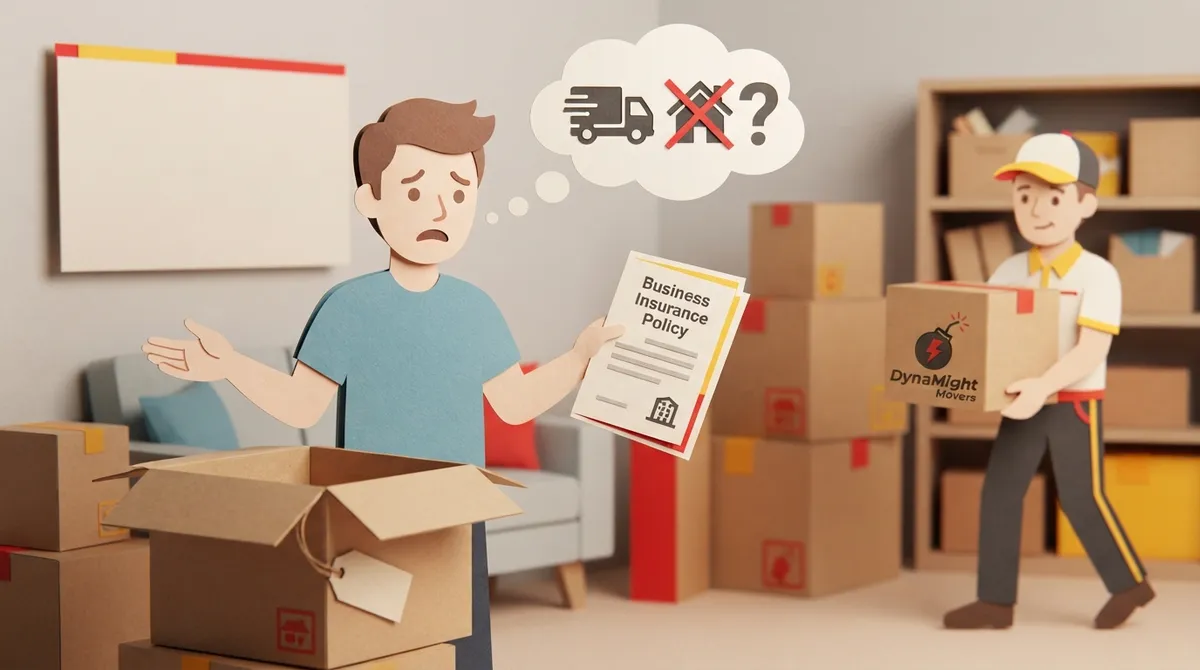
Mistake 1: Assuming Business Insurance Covers Your Belongings
This is probably the biggest misunderstanding out there. A moving company's business insurance protects their trucks, equipment, and employees. It does not automatically mean your grandmother's china cabinet is covered for full replacement value if it gets damaged. These are two completely different things, and mixing them up can lead to disappointment on moving day.
According to the Federal Motor Carrier Safety Administration, a mover's general liability insurance is separate from the valuation protection offered for your household goods. Knowing this difference from the start helps you ask the right questions before you book.

Mistake 2: Not Knowing the Difference Between Valuation and Insurance
Here's something that surprises a lot of people. What movers offer isn't technically "insurance" in the traditional sense. It's called valuation, and it's a level of liability the mover agrees to accept for your goods. This distinction matters because valuation options come with limits, exclusions, and specific rules you need to understand.
For interstate moves, federal rules require movers to offer two valuation options. Let's look at how they compare.
| Protection Type | Cost | Coverage Level | Best For |
|---|---|---|---|
| Released Value Protection | Usually free | $0.60 per pound per item | Budget moves, lighter items |
| Full Value Protection | Additional fee | Repair, replace, or cash settlement | Valuable furniture, electronics, family heirlooms |
As you can see, Released Value Protection sounds nice because it's free, but it may not cover much. If a 25-pound television gets damaged, you'd only receive $15 under this option, no matter what you originally paid for it.
Mistake 3: Thinking $0.60 Per Pound Is Enough Coverage
This number catches people off guard every single time. Released Value Protection sounds like a nice free perk, but it rarely reflects what your belongings are actually worth. A heavy but inexpensive item might get more coverage than it needs, while a lightweight but pricey item, like a laptop or a piece of art, gets almost nothing.
If you own furniture, electronics, or specialty pieces that matter to you, Full Value Protection is usually worth the extra cost. It's one of the smartest ways to protect your investment during a big life transition.
Mistake 4: Skipping the Licensing Check
Before you hire anyone, it's worth taking five minutes to verify their credentials. For interstate moves, the mover should have a USDOT number you can look up. For local moves within Florida, state rules may apply instead, so it pays to ask questions directly.
Here's a simple checklist to run through before signing anything:
- Ask for their USDOT number if it's an interstate move
- Confirm the company name matches their official registration
- Check if they're a broker or the actual carrier doing the work
- Look up complaint history through consumer protection resources
- Request proof of insurance in writing
Our guide on how to spot licensed and insured movers in Polk County walks through even more red flags to watch for.
Mistake 5: Forgetting That Local and Long-Distance Rules Differ
Here's something a lot of homeowners don't realize. Federal valuation rules mainly apply to interstate moves, meaning you're crossing state lines. If you're moving locally, say from Lakeland to Winter Haven, Florida's own regulations come into play instead.
This is exactly why it helps to work with a company that understands both worlds. If you're planning a move that starts local but might extend farther, our article on what you should know before a long-distance move covers the details you need.
Local Moves in Polk County
State insurance and licensing rules typically apply here. Always ask your mover directly what coverage options they offer for in-state relocations.
Long-Distance and Interstate Moves
Federal rules require Full Value Protection and Released Value Protection to be offered. Make sure your bill of lading clearly states which option you chose.
Mistake 6: Not Reading the Bill of Lading Carefully
The bill of lading is basically your moving contract. It spells out which valuation option you picked, what's excluded, and what happens if something goes wrong. Too many people sign this document quickly on a busy moving day without reading the fine print.
Before you sign, take these steps:
- Confirm the valuation option listed matches what you agreed to verbally
- Check for any listed exclusions, especially for high-value items
- Make sure your inventory list is accurate and complete
- Ask about the claims process in case something is damaged
- Keep a copy for your own records
Taking a few extra minutes here can save you a massive headache later.
Mistake 7: Overlooking Extraordinary Value Items
If you own antiques, fine art, jewelry, or collectibles worth more than $100 per pound, standard valuation coverage might not protect them fully. These are called articles of extraordinary value, and movers may require you to list them specifically on your paperwork to receive protection.
Families relocating from larger estates often have more of these special pieces to consider. If you're in this situation, our resource on how to choose specialty item movers you can trust offers helpful guidance for protecting pianos, antiques, and other treasured belongings.
Mistake 8: Assuming Homeowners Insurance Will Cover the Move
Many people believe their homeowners or renters insurance automatically covers items during a move. Unfortunately, this usually isn't the case. Most home insurance policies are designed to protect your belongings while they're in your home, not while they're in a moving truck.
Before you rely on your existing policy, call your insurance agent and ask directly. It's always better to confirm ahead of time rather than find out the hard way after something breaks.
Mistake 9: Not Asking About Claims Before You Book
Nobody likes to think about what happens if something goes wrong, but it's smart to ask anyway. A trustworthy moving company should be able to explain their claims process clearly, including timelines, documentation needed, and how settlements are handled.
Here are a few smart questions to ask any moving company before you hire them:
- What's your process if an item is damaged during the move?
- How long do I have to file a claim after delivery?
- Do you offer optional third-party insurance for extra protection?
- Is your Full Value Protection subject to any deductible?
- Can I get everything in writing before moving day?
A company that answers these questions honestly and without hesitation is usually one you can trust. DynaMight Movers is proud to be fully licensed and insured, offering transparent answers to every question our Polk County neighbors bring us.
How to Protect Yourself Before Moving Day
Beyond choosing the right valuation option, there are simple steps you can take to protect your belongings and your peace of mind.
- Take photos of valuable items before the move begins
- Keep an inventory list with descriptions and estimated values
- Save receipts for expensive electronics or furniture
- Inspect items carefully at delivery before signing final paperwork
- Document any damage immediately with photos and notes
These small habits make a big difference if you ever need to file a claim. For families managing a move with kids, pets, or a lot of moving parts, our article on how to pack for a move offers extra tips to keep things organized.
Why Choosing a Licensed and Insured Mover Matters
At the end of the day, hiring a licensed and insured mover isn't just a box to check. It's about protecting your home, your belongings, and your peace of mind during one of life's bigger transitions. Whether you're downsizing to a retirement community, relocating a large family estate, or settling into a new luxury apartment, the right moving team makes all the difference.
You can also check a mover's complaint history and registration through the FMCSA's consumer protection resources before booking anyone for an interstate move. It only takes a few minutes and gives you real peace of mind.
If you're comparing options in the area, our guide on how to choose full service movers in Polk County can help you narrow things down with confidence.
Ready for a Stress-Free Move?
Moving doesn't have to feel overwhelming, especially when you understand exactly what protection you're getting. DynaMight Movers is proud to serve Lakeland, Winter Haven, Davenport, Dover, and the surrounding Polk County communities with transparent pricing and full licensing and insurance coverage you can count on.
We handle everything from small apartment moves to full estate relocations, and we treat every item like it belongs to our own family. See what our neighbors are saying by checking out DynaMight Movers reviews on Google before your next big move.
Ready to get moving with a team you can actually trust? Get your free, no-obligation estimate today or give us a call at (866) 349-7719 to talk through your moving plans with a friendly member of our team.
FAQs
Q: Are movers insured for my belongings during the move?
A: Most moving companies carry business insurance, but that mainly covers their trucks and equipment, not necessarily the full value of your belongings. For your items, movers offer valuation protection options instead, like Full Value Protection or Released Value Protection, so it's important to ask which one applies to your move.
Q: What is the difference between Full Value Protection and Released Value Protection?
A: Full Value Protection means the mover repairs, replaces, or pays for the value of a damaged or lost item, though it usually costs extra. Released Value Protection is free but only covers $0.60 per pound per item, which often doesn't match what your belongings are actually worth.
Q: Does my homeowners insurance cover items during a move?
A: Usually not, since most homeowners and renters policies are designed to protect your things while they're inside your home, not while they're in a moving truck. It's always smart to call your insurance agent and ask directly before moving day so there are no surprises.
Q: How can I check if a moving company is really licensed and insured?
A: For interstate moves, you can look up a mover's USDOT number through FMCSA's consumer resources to check their registration and complaint history. For local moves, ask the company directly for proof of insurance and licensing, and don't be afraid to request it in writing.
Q: What should I do if movers damage my furniture?
A: Document the damage right away with photos and notes before you sign any final delivery paperwork. Then contact the moving company to start the claims process, which should be clearly explained to you before you ever book the move.