
Key Takeaways
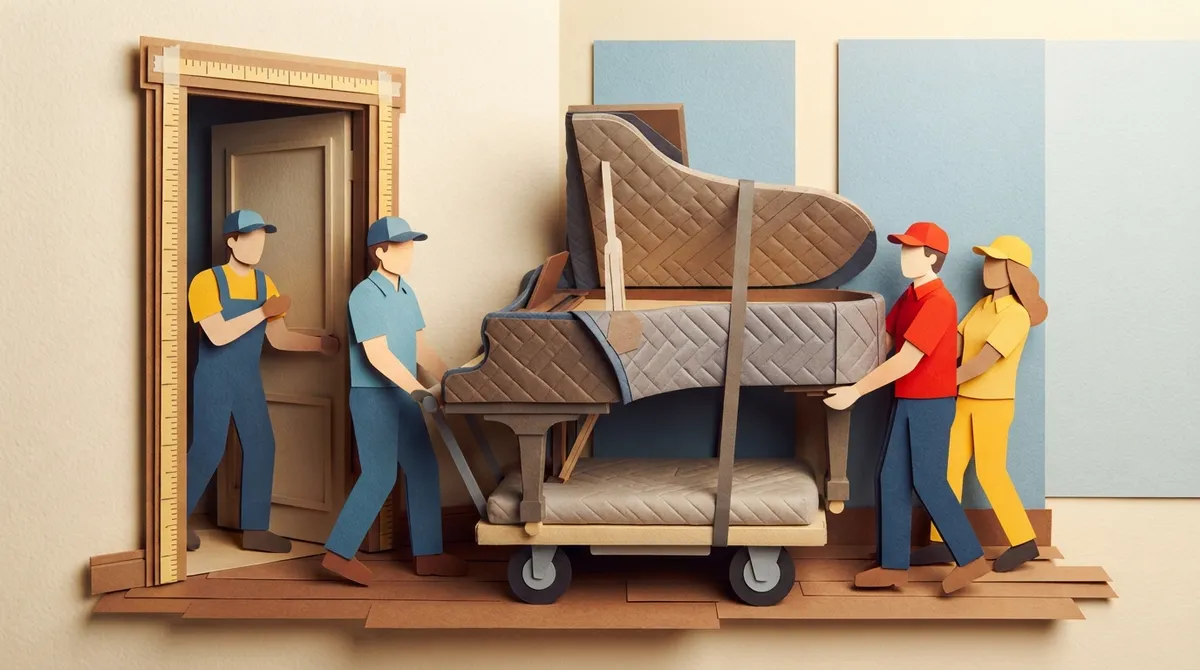
- Professional piano movers use specialized equipment like padded dollies, heavy-duty blankets, and sometimes cranes because pianos are heavy (300-500+ lbs), awkwardly shaped, and full of delicate parts that regular movers cannot safely handle.
- Piano moving costs vary by type and distance: local upright moves cost $150-$700, grand pianos $500-$2,000+, and long-distance moves $700-$5,000+; always get a written estimate that specifies stair surcharges, disassembly fees, and insurance coverage details.
- Always request a pre-move assessment where the mover evaluates your home's stairs, doorways, hallways, parking access, and flooring to identify if special equipment like cranes is needed; skipping this is a major red flag.
- Plan to wait 1-3 weeks after moving before scheduling piano tuning to let the instrument adjust to its new environment's temperature and humidity; basic insurance coverage is typically capped at only $0.60 per pound, so verify additional valuation coverage for expensive pianos.
Your piano isn't just furniture. It's a family heirloom, a source of music, or maybe the instrument your kids practice on every day. So when moving day comes, you need piano movers who know exactly what they're doing. A wrong move can cost you thousands in damage, or worse, an injury to someone trying to lift it alone.
Here in Polk County, we've seen it all. Grand pianos stuck on narrow staircases. Uprights that wouldn't fit through doorways. Families who tried the DIY route and ended up with scratched floors and aching backs. That's why this guide walks you through everything you need to know before you hire piano movers for your next move.

1. Understand Why Piano Moving Is Different From Regular Furniture Moving
Pianos are heavy, awkwardly shaped, and full of delicate parts. An upright can weigh 300 to 500 pounds. A grand piano can weigh even more, with weight spread unevenly across its curved body. Regular movers might handle sofas and dressers just fine, but a piano needs special training, padded equipment, and careful planning.
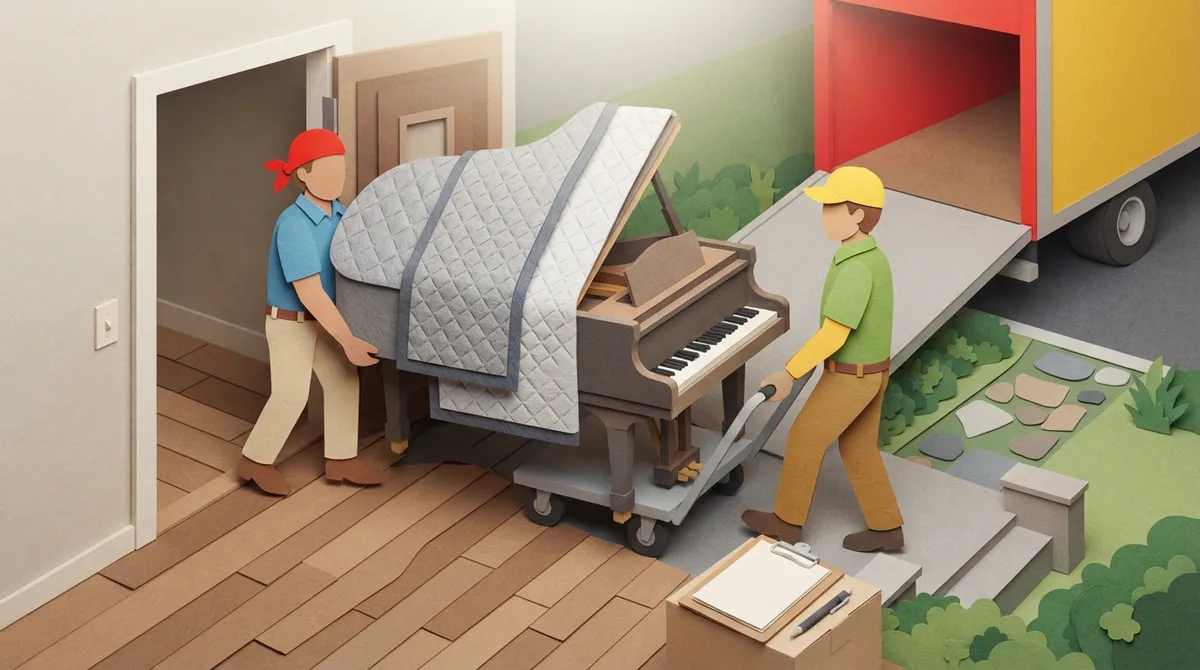
Piano moving companies use tools built just for this job. Think padded piano dollies, heavy-duty moving blankets, piano boards or skids, and ramps. For tricky staircases or tight turns, some crews bring stair-climbing equipment or even a crane for upper-floor deliveries. This isn't overkill. It's what keeps your piano safe.
2. Know What Affects Piano Moving Costs
Piano moving prices depend on a few key factors: the type of piano, how far it's traveling, and how tricky your home's layout is. According to published 2026 pricing guides, here's a general breakdown you can expect.
| Piano Type | Local Move Cost | Long-Distance Cost |
|---|---|---|
| Upright Piano | $150 – $700 | $700 – $2,500 (consolidated) |
| Baby Grand Piano | $300 – $1,200 | $2,000 – $5,000 (dedicated) |
| Grand or Concert Grand | $500 – $2,000+ | $2,000 – $5,000+ (dedicated) |
Some companies charge dedicated long-distance transport at roughly $1.50 to $4.00 per mile before adding fees for stairs, crating, or storage. Stair surcharges alone can run $40 to $100 per flight, though many movers simply bundle this into one access fee. This is why getting a written estimate matters so much. If you want a clear, no-surprise number for your move, you can always get a free estimate before committing to anyone.
3. Ask About Pre-Move Access Assessments
A good piano mover won't just show up and hope for the best. They'll ask questions first, or better yet, come take a look. Here's what they should check:
- The piano's exact type, size, and approximate weight
- Stairs, elevators, or narrow doorways at both pickup and delivery
- Sharp turns or tight hallways that could block a straight path
- Parking access for the moving truck
- Flooring type, since hardwood and tile need extra protection
- Whether a crane or hoisting service might be needed for upper floors
Skipping this step is one of the biggest mistakes homeowners make. If your mover doesn't ask these questions, that's a red flag. For more on avoiding common pitfalls, check out our guide on how to choose specialty item movers you can trust.
4. Learn How Grand Pianos Get Disassembled and Reassembled
Grand pianos are usually too large and oddly shaped to move in one piece. Professional crews typically follow these steps:
- Remove the legs, pedal lyre, and music desk carefully
- Wrap the lid and body in thick moving blankets
- Secure the piano to a padded piano board or skid
- Strap it down tightly to prevent shifting during transport
- Load it onto the truck using a ramp or lift gate
- At delivery, reassemble every part and position the piano exactly where you want it
Upright pianos skip most of this. They're wrapped and moved vertically on a specialized dolly instead. Either way, this isn't a job for two friends and a pickup truck. It takes trained hands and the right gear.
5. Never Attempt a DIY Piano Move
We get it. Hiring pros costs money, and DIY feels like a way to save. But pianos are simply too heavy and unpredictable to move safely without training. Here's what can go wrong:
- Serious back, hand, or foot injuries from improper lifting
- Scratched or dented finishes that hurt the piano's value
- Damaged floors, walls, or door frames along the way
- Dropped pianos that crack internal parts or the soundboard
- Vehicle damage from improper securing during transport
A piano's odd shape and shifting weight make it far riskier than moving a couch. If you're weighing your options, our article on hiring vs. DIY for your Polk County residential move breaks down when professional help truly pays off.
6. Review the Written Estimate Carefully
Before you sign anything, your estimate should clearly spell out several things. Here's what to look for:
- The exact piano type and its dimensions
- Total move distance and delivery timeframe
- Any stair, elevator, or access charges
- Disassembly and reassembly costs
- Packing, crating, or storage fees if needed
- Valuation or insurance coverage options
- Any exclusions or extra conditions
This matters more than most people realize. The Federal Motor Carrier Safety Administration notes that released-value protection for interstate household-goods moves is capped at just $0.60 per pound per item, unless you choose additional coverage. That means a 500-pound piano would only be covered for $300 under basic protection, regardless of its real value. Always ask your mover which valuation option fits your piano's worth.
7. Check Credentials Before You Hire
Not every moving company has piano-specific experience, and that's okay to ask about upfront. Look for these signs of a trustworthy piano mover:
- Specialized piano-moving experience, not just general furniture moving
- Proper licensing for interstate moves, if applicable
- Commercial liability and cargo insurance coverage
- Positive customer reviews mentioning piano moves specifically
- Clear claims procedures in case something goes wrong
- Confirmation of whether they use employees or subcontractors
You can verify interstate movers through the FMCSA's safety database. For local moves here in Central Florida, our post on spotting licensed and insured movers in Polk County gives you a helpful checklist. And if you'd like to see how real customers describe their experience, visit us on Google — DynaMight Movers to read honest reviews from families just like yours.
8. Plan for Post-Move Tuning and Acclimation
Pianos are sensitive instruments. Changes in temperature, humidity, and even room position can affect their sound. Most piano owners wait roughly one to three weeks after a move before scheduling a tuning. This gives the piano time to adjust to its new environment.
A qualified piano technician can inspect the instrument, check the regulation, and advise on the right tuning schedule based on your specific piano and how far it traveled. According to a 2023 market analysis published by Data Insights Market, the global piano-moving-service market was estimated at $2.5 billion in 2023, with steady growth projected through the next decade. That growth reflects just how many families and institutions rely on specialty movers to protect these valuable instruments every year.
Who Needs Piano Movers?
Piano moving isn't just for homeowners. Plenty of other groups need this specialty service too:
- Families relocating from large estates with grand pianos in the living room
- Retirees downsizing into smaller homes or retirement communities
- Schools, churches, and universities transporting pianos for events
- Recording studios and concert halls needing careful equipment moves
- Estate sales or downsizing moves involving heirloom instruments
Whatever your situation, the goal is the same: get your piano from point A to point B without a scratch, dent, or tuning disaster.
Bringing It All Together
Moving a piano takes more than muscle. It takes planning, the right equipment, and a crew that respects your instrument's value. From assessing access points to handling disassembly and reassembly, every step matters. And when the truck pulls away with your piano safely inside, you want to know it's in good hands.
At DynaMight Movers, we bring the training, tools, and transparent pricing Polk County families trust for local and long-distance moves. Whether you're relocating within Lakeland or heading across state lines from Winter Haven, our team treats your piano like it's our own. Ready to protect your instrument and your peace of mind? Call us at (866) 349-7719 today, and let's plan your move the right way.
FAQs
Q: How much does it cost to hire piano movers?
A: It really depends on the piano type and distance! Local upright moves typically run $150 to $700, while grand pianos can cost $500 to $2,000 or more. Long-distance moves range higher, so it's always best to get a personalized written estimate for your exact situation.
Q: Can regular movers move an upright or grand piano safely?
A: Regular movers can handle plenty of heavy furniture, but pianos really do need specialized training and equipment. We always recommend confirming your mover has specific piano-moving experience before you book, just for extra peace of mind.
Q: Do piano movers disassemble and reassemble grand pianos?
A: Yes, absolutely! Grand pianos usually need the legs, pedal lyre, and music desk removed before transport. A skilled crew will carefully wrap, secure, and later reassemble everything so your piano looks and sounds just like it did before the move.
Q: How long should I wait to tune a piano after it's moved?
A: Most owners wait about one to three weeks before scheduling a tuning, giving the piano time to adjust to its new home's temperature and humidity. Your piano technician can give you personalized advice based on how far your piano traveled.
Q: Does piano moving insurance cover the piano's full replacement value?
A: Not always, so this is worth double-checking! Basic released-value coverage is often limited to just $0.60 per pound per item under federal guidelines. If your piano is valuable, ask about additional valuation coverage to make sure you're fully protected.