

Key Takeaways
- Verify your mover is registered with Florida's FDACS using their free Business License Lookup tool before booking; registration shows the company meets state requirements and carries required insurance.
- Obtain a written, itemized estimate that lists the mover's registration number, pickup/delivery details, proposed move date, and itemized services with charges; never rely on phone quotes alone.
- Understand your move is intrastate (governed by Florida law) only if both addresses are in Florida; if crossing state lines, federal rules apply instead with different credential requirements.
- Confirm access details early with your property manager, including parking restrictions, elevator reservations, and building rules; communicate these to your mover to avoid costly delays on moving day.
- Choose the right service level (full-service, loading-only, or specialty item moving) based on your needs and budget; a custom estimate beats generic pricing since costs vary by volume, distance, and services.
- Ask about valuation coverage options before signing; basic released-value coverage of 60 cents per pound may not protect high-value items like furniture, requiring additional protection choices.
So you're ready to leave Lakeland and set up a new home somewhere else in Central Florida. Maybe it's a fresh start in Orlando, a quieter spot in Winter Haven, or a bigger house a short drive away. Whatever the reason, congratulations! A move is a big step, and you don't have to feel lost doing it.
Central Florida moving from Lakeland is usually an in-state move, which means Florida's own moving rules protect you. That's good news. But it also means you need to know what to ask, what to check, and what to expect before moving day arrives.
In this friendly guide, we'll walk you through seven simple steps. You'll learn how to confirm a mover is registered, read an estimate, prepare your home, and keep your belongings safe. Whether you're a family with a big house, a retiree downsizing, or someone with a piano that needs special care, these steps will help you feel calm and ready.
Step 1: Know What Kind of Move You're Making
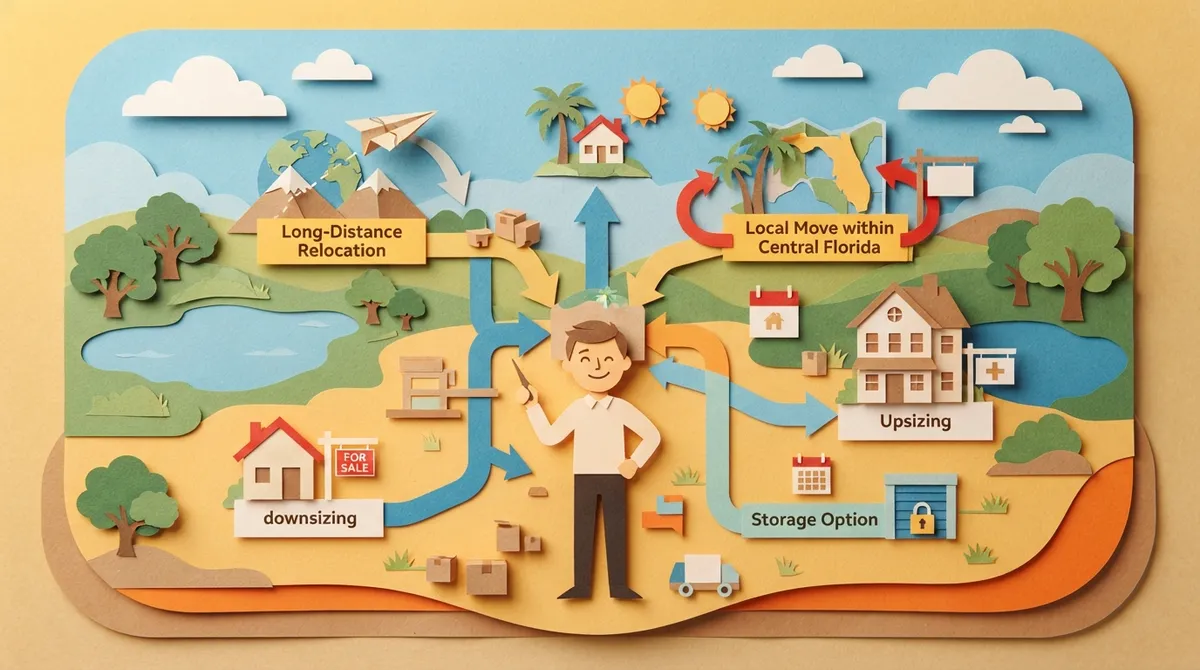
First, let's clear up what "Central Florida moving from Lakeland" really means. It's a relocation that starts in Lakeland and ends somewhere else in Central Florida, such as the Orlando or Winter Haven area. When both addresses are inside Florida, the move is usually called an intrastate move.
Why does this matter? Because the rules are different from a move that crosses a state line. According to the Florida Department of Agriculture and Consumer Services (FDACS), intrastate movers and moving brokers must register with the state. Interstate moves, on the other hand, follow federal rules.
Knowing this early helps you ask better questions. It also helps you spot companies that aren't following the rules. If you're curious about how a move to the Orlando area works in detail, our guide on how to plan a smooth move from Lakeland to Orlando is a great next read.
Quick Check: Is Your Move Intrastate?
- Pickup address is in Lakeland or Polk County
- Delivery address is anywhere else in Florida
- Your belongings never cross into Georgia, Alabama, or any other state
If you answered yes to all three, you're making an in-state move. Nice and simple!

Step 2: Confirm Your Mover Is Registered and Insured
This step is the most important one, so please don't skip it. Florida law says a mover must be registered with FDACS to handle household goods within the state. The registration fee is $600 for a two-year period, which shows the state takes this seriously.
You can check any company for free using the FDACS Business License Lookup. Just search the company name and look for an active registration number. A real mover will be happy to share it with you.
Next, ask about insurance. FDACS describes minimum coverage levels that movers must carry. Here's a simple breakdown:
| Coverage Type | Minimum Required in Florida |
|---|---|
| Cargo legal liability | $10,000 per incident |
| Commercial vehicle liability (under 35,000 lbs) | $50,000 per occurrence |
| Commercial vehicle liability (35,000 to 44,000 lbs) | $100,000 |
| Commercial vehicle liability (44,000 lbs or more) | $300,000 |
| Minimum released value | At least 60 cents per pound per article |
That last line surprises many people. A basic released-value amount can be low for a heavy item. A 200-pound dresser, for example, might only be covered at a small amount unless you choose better protection. Ask your mover to explain valuation options before you sign anything.
Want a deeper look at spotting the real deal? Check out our list of 9 ways to spot licensed and insured movers in Polk County.
Step 3: Get a Written, Itemized Estimate
Here's another place where Florida has your back. Before service begins, an intrastate mover must give you a written estimate and a contract that both sides sign. FDACS says these papers should include:
- The mover's name and registration number
- Pickup and delivery details
- The proposed move date
- Itemized services and charges
- Accepted payment methods
If a company only gives you a quick number over the phone and nothing in writing, that's a red flag. A good mover wants you to understand exactly what you're paying for.
Ask What's Included
Two quotes can look very different if they cover different things. Make sure you ask whether each estimate includes:
- Packing and packing materials
- Stairs, elevators, or long carries
- Bulky or heavy items like safes, hot tubs, and pool tables
- Storage, if your new place isn't ready
- Any extra stops along the way
Honestly, no single price range fits every Lakeland-to-Central-Florida move. Cost depends on how much you own, how far you're going, and which services you need. That's why a custom estimate beats any rough guess. You can learn more in our article about what to expect from a free moving estimate, or simply get a free estimate from our team.
Step 4: Choose the Right Level of Service
Not every move needs the same kind of help. Picking the right service level can save you money and stress. Here's a quick look at your main options.
| Service Level | Best For | What You Do |
|---|---|---|
| Full-service moving | Busy families, retirees, large homes | Almost nothing; the crew packs, loads, drives, and unloads |
| Loading and unloading help | People with their own truck or container | Provide the truck; movers handle the heavy lifting |
| Specialty item moving | Pianos, antiques, safes, hot tubs | Let experts handle the tricky pieces |
If you're not sure which one fits, our comparison of full-service vs. labor-only moving breaks it down in plain language. And if heavy lifting is your biggest worry, read about what labor services in moving include.
For Retirees and Downsizers
Moving out of a longtime family home can feel emotional. If you're a retiree heading to a smaller place, patient help makes a huge difference. Look for a crew that takes its time, lifts the heavy stuff, and treats your memories with care. Our post on senior moving services in Polk County shares helpful ideas.
For Large Families and Estates
Big homes mean big furniture, lots of boxes, and plenty of moving parts. A larger crew and a clear plan keep things moving. Make sure your estimate lists every bulky piece, so there are no surprises on moving day.
Step 5: Plan for Access and Scheduling
This is the step people forget, and it can cause real headaches. Before moving day, think about how the truck will actually reach your door at both ends.
Tell your mover about anything that could slow things down:
- Apartment or community rules about moving hours
- Parking limits or truck restrictions
- Elevator reservations
- Narrow streets or tight driveways
- Where the truck can park to load and unload
If you're moving into a high-end apartment building, this matters even more. Many luxury buildings require advance elevator booking and proof of insurance from your mover. Ask your property manager early, and share the details with your moving team.
Also confirm the arrival window and ask how delays or changes are handled. Life happens, and a good mover will explain their process upfront. If your timeline is tight, you might like our tips on how far in advance to book movers. And if you're in a real pinch, see how to find last-minute movers in Polk County.
Step 6: Prepare Your Home and Special Items
A little prep goes a long way. The week before your move, work through this simple list:
- Declutter first. Donate or toss what you don't need. Fewer items means a smaller bill.
- Pack a "first night" box. Include medicines, chargers, toiletries, and a change of clothes.
- Label every box. Write the room name and a short note on the contents.
- Take photos of valuables. This helps if you ever need to file a claim.
- Clear walkways. Remove rugs, toys, and clutter so the crew can move safely.
If you'd rather skip the packing, packing and moving services in Polk County can take that job off your plate. You can also review how to pack for a move if you plan to do it yourself.
Specialty Items Need Special Care
Do you own a piano, an antique clock, a gun safe, or a hot tub? These pieces are heavy, awkward, and often valuable. They need the right tools and the right training. Tell your mover about each one when you request a quote so the crew arrives prepared. Our guides on moving a piano safely and choosing specialty item movers are worth a quick read.
Step 7: Handle Moving Day and the Final Walkthrough
You've done the hard planning. Now it's time to enjoy the day (or at least survive it with a smile!). Here's how to keep things smooth.
When the crew arrives, walk them through your home. Point out fragile items, tricky doorways, and anything that needs extra care. Keep your contract and estimate handy, and compare what the crew does with what the paperwork says.
Before the truck leaves, do a final walkthrough of your Lakeland home. Check every closet, cabinet, and the garage. At your new place, look over each item as it comes in. If you spot damage, note it right away and tell the crew leader. Taking photos on the spot makes any claim easier.
Finally, ask about tipping if you feel the team did a great job. Our simple guide on how much to tip movers can help you decide.
Common Mistakes to Avoid
Even careful people slip up. Here are the top mistakes we see during Central Florida moves from Lakeland:
- Choosing only on price. The cheapest quote can hide extra fees or missing coverage.
- Skipping the registration check. Always verify with FDACS first.
- Forgetting access details. Parking and elevator rules can add time and cost.
- Not asking about valuation. Basic coverage may not match your item's real worth.
- Booking too late. Popular dates fill up, especially at month's end and on weekends.
For a longer list, take a peek at 14 mistakes to avoid when hiring local residential movers in Polk County.
What About Moving Across State Lines?
Sometimes a Lakeland move turns into something bigger. Maybe a job pulls you to Georgia, or family calls you north. When a move crosses a state line, federal rules generally apply instead of Florida's intrastate rules. That means different credentials and paperwork.
If that sounds like you, confirm your mover's credentials for the specific route. The U.S. Department of Transportation shares helpful tips in its Protect Your Move resource from the Federal Motor Carrier Safety Administration. You can also read our guide on what to know before an interstate move from Lakeland.
Why Local Knowledge Matters in Central Florida
Lakeland is a growing city, with an estimated 125,520 residents in July 2025 according to Census Bureau population estimates. As more people move in and out, local roads, neighborhoods, and building rules keep changing. A mover who knows Polk County well can plan better routes and avoid common snags.
At DynaMight Movers, we're a licensed and insured residential moving company serving Lakeland, Winter Haven, Davenport, Dover, and nearby areas. We offer free, no-obligation estimates, clear pricing, and careful handling for everything from studio apartments to large family estates. Curious how neighbors feel about us? Visit us on Google — DynaMight Movers and read what customers say.
If your new home is in the Winter Haven area, you may also enjoy our Lakeland to Winter Haven movers guide.
Ready to Make Your Move?
Moving from Lakeland to another part of Central Florida doesn't have to be stressful. Check your mover's registration, get a written estimate, pick the right service level, plan for access, and prep your home. Do those things, and you'll be well on your way to a smooth day.
When you're ready to take the next step, get a free estimate from DynaMight Movers, or call us at (866) 349-7719 to talk with a friendly team member. We'd love to help you settle into your new home with confidence.
FAQs
Q: How much does it cost to move from Lakeland to Orlando or another Central Florida city?
A: There's no single price that fits every move, because cost depends on how much you're moving, the route, and the services you need. The best way to know for sure is to ask for a written, itemized estimate that spells out packing, stairs, bulky items, and storage.
Q: How can I check a Florida mover's FDACS registration number?
A: You can use the FDACS Business License Lookup on the state's website. Search for the company name and confirm it shows an active registration. A trustworthy mover will happily share their number with you.
Q: What should a Florida moving estimate and contract include?
A: It should list the mover's name and registration number, pickup and delivery details, the proposed move date, itemized services and charges, and accepted payment methods. Both you and the mover should sign it before service begins.
Q: What moving insurance or valuation coverage should I consider?
A: Florida requires movers to carry at least $10,000 in cargo legal-liability coverage, and the minimum released value is at least 60 cents per pound per article. Ask your mover to explain valuation options so you can choose protection that fits the true worth of your belongings.
Q: Do I need a different type of mover if I'm moving out of Florida from Lakeland?
A: Yes, a move that crosses a state line is generally covered by federal rules instead of Florida's intrastate rules. Confirm your mover's credentials and the right paperwork for your specific route before you book.