
Key Takeaways
- Ask specific experience questions about your exact item, such as whether the crew has moved a seven-foot grand piano down stairs, rather than just whether they handle specialty items.
- Verify the crew's equipment and protection methods, including piano boards, safe dollies, floor protection, and custom crating, before booking.
- Confirm licensing and insurance, and ask what valuation applies: basic released-value protection for interstate moves is limited and may not cover a piano or antique's real value.
- Demand an itemized written estimate; specialty moves cost more due to labor, equipment, and access, and online price ranges are only rough guides.
- Settle who handles prep work before moving day, such as draining and disconnecting hot tubs, disassembling pool tables, emptying gun safes, and retuning pianos.
You've got a baby grand piano in the living room, a gun safe that weighs more than your car's engine, or a hot tub sitting on the back patio. Now you've typed "specialty movers near me" into a search bar and hit a wall of options. Take a breath. You're not alone, and this is easier than it looks.
Specialty movers are pros who handle items that are heavy, fragile, valuable, oversized, or just plain awkward. Regular movers are great with boxes and sofas. But a piano or a pool table needs extra gear, extra hands, and extra know-how.
Whether you're a Polk County homeowner moving across town, a family leaving a big estate, or a retiree heading to a smaller place, the right team makes all the difference. In this guide, we'll walk through five simple things to check before you book. We'll also cover what these movers handle, what they cost, and the questions to ask. Let's get you moving with confidence.

What Do Specialty Movers Actually Move?
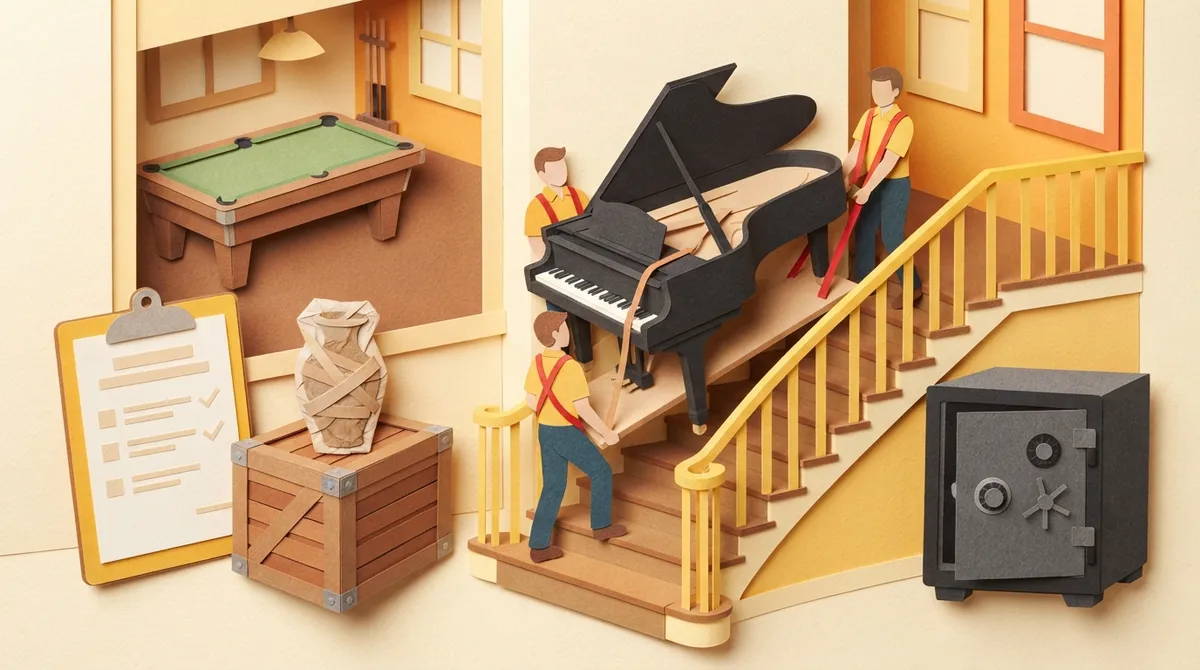
Before we get to the checklist, let's clear up what counts as a "specialty" item. Most people are surprised by how long the list is. When you search for specialty movers near me, you're really looking for a crew with the right equipment and training for items like these:
- Pianos: upright, baby grand, and grand pianos
- Pool tables: slate tables that need careful disassembly
- Gun safes and vaults: often several hundred pounds or more
- Antiques and fine art: fragile pieces that deserve custom care
- Hot tubs and spas: bulky, awkward, and easy to damage
- Gym equipment: treadmills, weight racks, and multi-station machines
- Large stone or sculpture pieces: heavy and tricky to rig
- Some medical or industrial equipment: items needing technical care
The work often goes beyond simple lifting. It can include piano-board handling, safe dollies, disassembly and reassembly, protective wrapping, custom crating, and careful route planning through stairs and tight doorways. That's why "just a bigger truck" isn't the answer.
1. Confirm They Have Experience With Your Exact Item
This is the big one. Moving a grand piano is a different skill than moving a gun safe. A crew that is great at one may not be ready for the other.
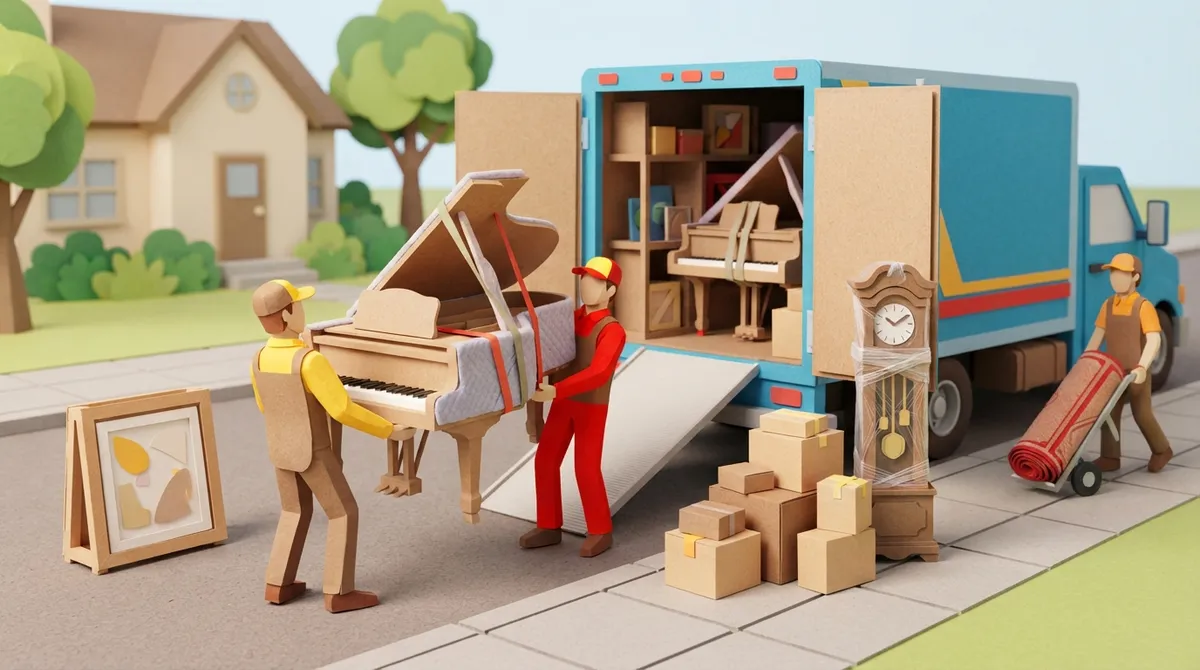
When you call, don't just ask, "Do you move specialty items?" Get specific. Say, "Have you moved a seven-foot grand piano down stairs before?" or "How do you handle a 600-pound safe in a home with tile floors?" A real specialist will answer with confidence and detail. If you get vague answers, keep looking.
If you're curious how this plays out for particular items, our guides on how to move a piano safely and how to move a gun safe without injury or damage show the level of detail you should expect.
Questions to Ask About Experience
- How many times have you moved this exact type of item?
- What equipment will you bring for it?
- Will the same crew that quoted the job do the work?
- Have you handled items in homes like mine, with stairs, tight halls, or narrow doors?
2. Look at Their Equipment and Protection Methods
The right tools are what separate a smooth move from a costly accident. Specialty moves often need gear that a standard moving truck simply doesn't carry.
Ask what they use. A good crew will mention things like piano boards, safe dollies, heavy-duty straps, floor protection, and custom wrapping materials. For fine art and antiques, ask about custom crating. For hot tubs, ask how they'll lift and secure the unit.
You'll also want to know how they protect your home. Heavy items can scratch floors, dent walls, and crack tile. A careful mover plans the route ahead of time and lays down protection before anything gets lifted.
This matters a lot for luxury apartment residents and owners of high-value homes. Elevators, tight corners, and polished floors leave very little room for error.
3. Check Licensing, Insurance, and Valuation Coverage
Here's where a few minutes of homework can save you thousands of dollars. Before you hire anyone, confirm they carry the right credentials.
A licensed and insured mover is your first line of defense. If you're not sure how to verify this, take a look at our tips on spotting licensed and insured movers in Polk County. Local licensing rules vary by state and city, so ask what applies where you live.
For interstate household-goods moves, the Federal Motor Carrier Safety Administration (FMCSA) offers consumer guidance and a way to look up a company's registration and complaint history. You can learn more through the FMCSA Protect Your Move resource.
Understand Valuation, Not Just Insurance
Many people assume "insured" means everything is fully covered. Not always. For interstate household-goods moves, federal rules require movers to offer valuation options. The basic option, called released-value protection, is limited and may not come close to the real value of a piano or an antique.
So ask directly: What protection applies to my item, and is it enough? For high-value pieces, you may want to look at separate insurance. A trustworthy mover will explain this plainly and won't rush you.
4. Get an Itemized Written Estimate
Price is where many people get nervous, and that's completely fair. Specialty moves cost more than standard moves because they take more labor, more equipment, and more skill. But the price should never feel like a mystery.
Always ask for an itemized written estimate. It should clearly show what's included, from labor and equipment to packing, crating, and any extra services. Online price ranges are only rough guides. The real number depends on your exact situation.
What Shapes the Price
| Factor | Why It Matters |
|---|---|
| Item size and weight | Heavier items need more crew members and gear |
| Fragility or value | Delicate pieces need extra wrapping or crating |
| Travel distance | Longer trips mean more time and fuel |
| Access at both locations | Stairs, narrow doors, and long carries add labor |
| Crew and equipment needs | Specialty tools and extra hands raise the cost |
| Storage or add-on services | Packing, crating, and storage are often extra |
To give you a sense of the range, one moving-industry guide lists local piano moves at roughly $250 to $600, and long-distance piano moves at about $500 to $1,200. Another comparison source shows local upright piano moves around $412 to $986 and grand piano moves around $918 to $2,348. These are source-specific examples, not guaranteed quotes. Your own price will depend on the factors above.
Binding vs. Non-Binding Estimates
For interstate moves, FMCSA explains that a binding estimate limits what you owe at delivery to the estimate amount, subject to applicable rules and changes in the shipment or services. With a non-binding estimate, a mover generally can't require payment at delivery of more than 110% of the estimate.
Not sure how to compare quotes? Our guide on what to expect from a free moving estimate can help you spot a fair one. And if you'd like to see what transparent pricing looks like, you can always get a free estimate with no pressure.
5. Clarify Who Does What Before Moving Day
Surprises on moving day are no fun. The best way to avoid them is to settle responsibilities ahead of time. Some specialty items need prep work that isn't always part of the mover's job.
Here are a few examples worth asking about:
- Hot tubs: They may need to be drained and disconnected from power and plumbing first. Ask if that's included or if you need an electrician or plumber.
- Pool tables: Some require specialist disassembly and reassembly. Confirm whether the crew handles both ends of the move.
- Gun safes: Ask about contents. Many movers prefer that you remove items, and some have rules about firearms.
- Pianos: Ask about tuning. Moving can shift a piano's tuning, and a tuner is usually a separate professional.
Write down who's doing each task. A short checklist keeps everyone on the same page. If you're moving a hot tub or a pool table, our guides on moving hot tubs and safe pool table transport walk through the prep step by step.
Quick Comparison: Standard Movers vs. Specialty Movers
Still wondering whether you need a specialist at all? This quick table can help you decide.
| Moving Need | Standard Movers | Specialty Movers |
|---|---|---|
| Boxes and basic furniture | Great fit | Not needed |
| Upright or grand piano | Risky without training | Best choice |
| Gun safe or vault | Often lack the gear | Best choice |
| Pool table | May not disassemble properly | Best choice |
| Antiques and fine art | Limited protection | Custom wrapping and crating |
| Hot tub | Often need extra help | Best choice |
Tips for Different Kinds of Movers
Every household is a little different. Here's how this advice plays out for a few common situations.
Local homeowners: If you're moving within Polk County, a local specialty crew can often work faster and more affordably than a long-distance carrier. Short trips also mean less time in the truck for delicate pieces.
Retirees: Moving to a retirement home often means sorting a lifetime of treasures. Look for a patient crew that will handle the heavy lifting so you don't have to. Our post on senior moving services in Polk County is a good place to start.
Family estate owners: Large homes often hold several specialty items at once, like a piano, antiques, and a safe. Ask for a single coordinated plan so everything moves together.
Luxury apartment residents: Ask about elevator reservations, building rules, and floor protection. A pro will handle these details for you.
Why Local Matters for Specialty Moves
There's real comfort in hiring a team that's close by. A local mover knows the area, the roads, and the kinds of homes you'll find around Lakeland, Winter Haven, and Davenport. Many Florida homes have tile floors, tight garage entries, and outdoor spas, which all call for planning.
At DynaMight Movers, we're a licensed and insured moving company serving Polk County with transparent pricing and a focus on heavy lifting and specialty items. Want to hear what real customers say? You can visit us on Google and see our DynaMight Movers reviews.
For more on picking the right team, check out how to choose specialty item movers you can trust.
Red Flags to Watch For
Most movers are honest, hard-working folks. But it helps to know the warning signs. Walk away if you notice any of these:
- A quote given sight unseen with no questions about access or weight
- Pressure to pay a large deposit upfront in cash
- No clear answer about licensing or insurance
- Vague promises with nothing in writing
- No questions about stairs, doorways, or your specific item
A caring mover asks lots of questions because they want to get it right. If a company doesn't ask, they may not be thinking about your item at all.
Ready to Move Your Specialty Items With Confidence?
Finding the right specialty movers near me doesn't have to feel overwhelming. Check their experience with your exact item, look at their equipment, confirm licensing and coverage, get an itemized written estimate, and settle who does what before moving day. Do those five things, and you'll be in great shape.
You've spent years caring for these pieces, so they deserve a team that treats them with the same care. If you're in Polk County and ready to take the next step, get a free estimate from DynaMight Movers, or call us at (866) 349-7719 to talk through your move. We're happy to answer questions, big or small.
FAQs
Q: What do specialty movers move?
A: Specialty movers handle items that are heavy, fragile, valuable, or awkward. That includes pianos, pool tables, gun safes, antiques, fine art, hot tubs, gym equipment, and some medical or industrial equipment. They bring extra gear and training that standard movers often don't have.
Q: How much does it cost to move a piano, safe, or pool table?
A: It depends on the item, distance, access, and prep needed. As rough examples, one industry guide lists local piano moves around $250 to $600, while another shows grand piano moves from about $918 to $2,348. Always request an itemized written estimate for your exact situation, since online ranges are only guides.
Q: Are specialty movers insured, and what does the coverage include?
A: Reputable movers should be licensed and insured, but coverage varies. For interstate household-goods moves, basic released-value protection is limited, so it may not match the value of a piano or antique. Ask what valuation applies and consider separate insurance for high-value items.
Q: Do I need a specialist to disassemble a pool table or hot tub?
A: Often, yes. Pool tables usually need careful disassembly and reassembly, and hot tubs may need to be drained and disconnected before the move. Ask your mover whether those tasks are included or whether you'll need another professional, like an electrician or plumber.
Q: How can I verify an interstate moving company's registration?
A: The FMCSA offers consumer guidance and a database where you can check a mover's current registration and complaint history. It's a quick step that can save you a lot of trouble. For local moves, licensing rules vary by state and city, so ask the company what applies in your area.