
Key Takeaways
- Choose your level of PODS loading help: heavy items only, loading only, or full packing and loading, depending on your budget, effort, and how much you want a crew to handle.
- Pick the container size before booking help, since 8-, 12-, and 16-foot PODS have weight guidelines of 5,200, 4,700, and 4,200 lb; the bigger container actually has the lower limit.
- Load heavy items low and spread them evenly, wrap and pad furniture, pack tightly, and secure the load with straps at the tie-down points, which are roughly every 4 feet.
- Leave clearance around the container door's rolling mechanism and build a secured barrier near it so the door doesn't jam shut on delivery day.
- Book labor for at least the day after container delivery, schedule at least 7 days ahead when possible, and get a written estimate covering licensing, insurance, and crew size.
- Keep valuables, documents, and medications with you rather than in the container, and photograph high-value items and make an inventory for each container.
Staring at an empty portable container in your driveway can feel a little overwhelming. You have a house full of furniture, boxes, and heavy appliances, and one big metal box that has to hold it all. If you have ever wondered how to get through that day without a sore back or a broken lamp, you are in the right place.
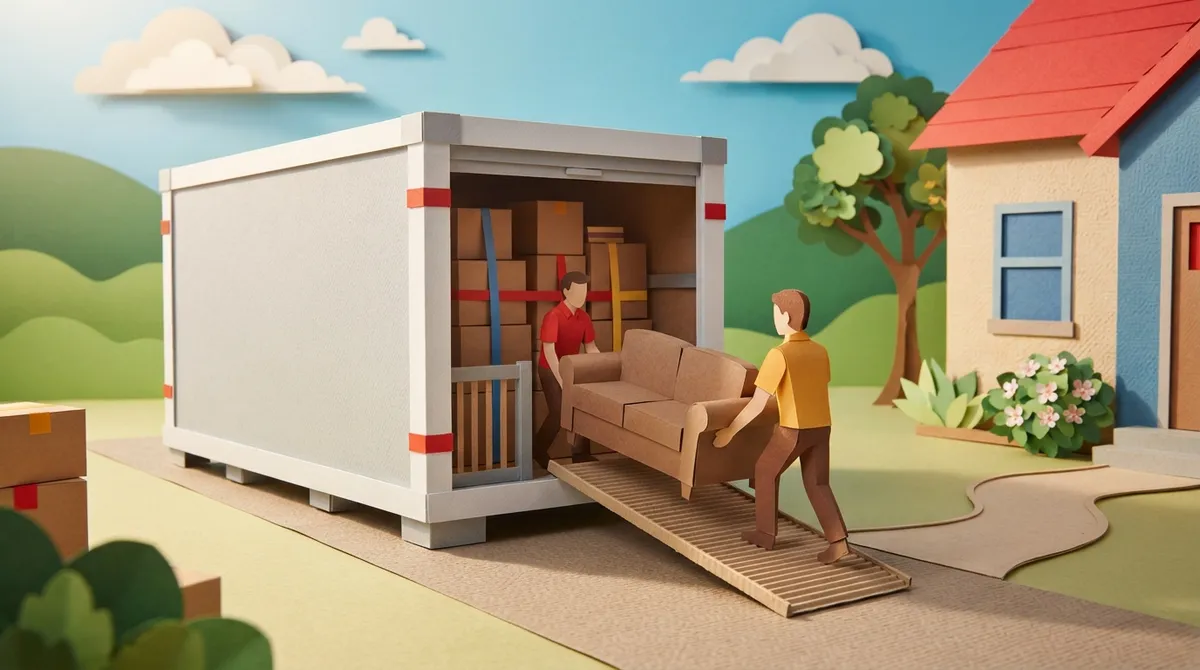
PODS loading help simply means hiring trained labor to pack and load your portable moving container. You can ask for a little muscle with the couch and mattress, or you can hand over the whole house. Either way, the goal is the same: a tightly packed, balanced, well-protected container that travels safely.
Whether you are a Polk County homeowner moving across town, a retiree downsizing, or a family leaving a big estate, this friendly guide walks you through five smart tips. We will cover what loading help includes, how to pick the right container, how to load like a pro, how to avoid common mistakes, and how to book help the easy way.
Tip 1: Know What PODS Loading Help Actually Includes
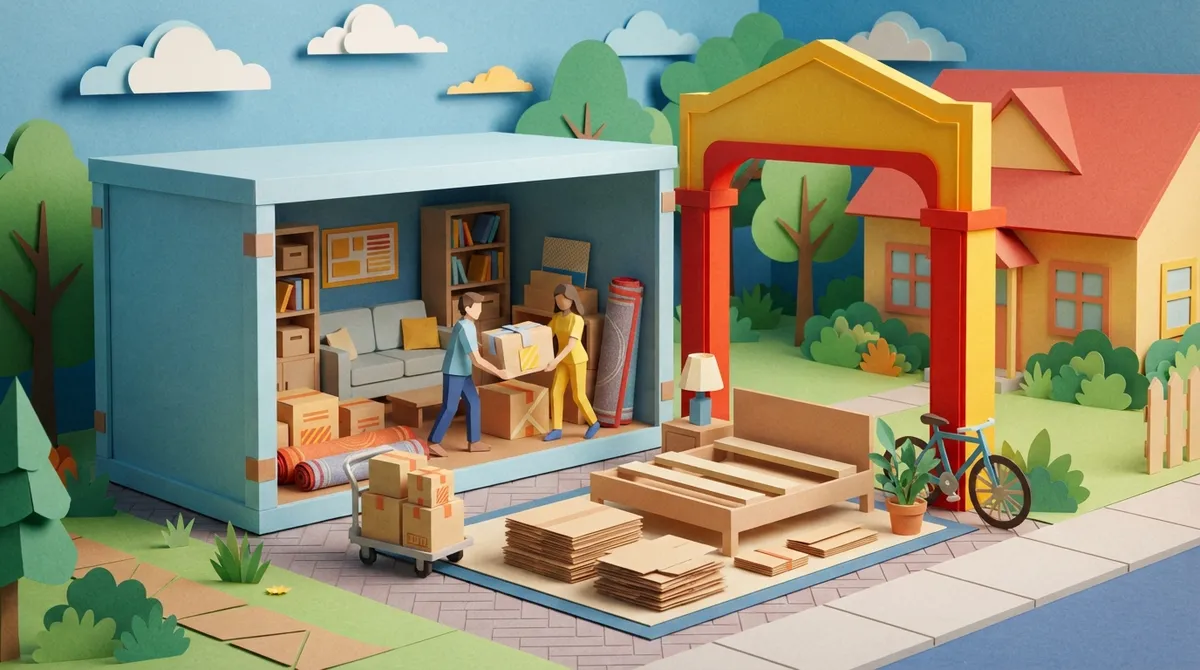
Before you book anyone, it helps to know what you are really buying. PODS loading help is professional labor for filling a portable container. PODS can connect customers with local providers, though availability varies by location, so it pays to check early.
Choose Your Level of Help
You do not have to hire help for everything. Many people mix and match, doing the easy parts themselves and saving the heavy work for pros. Common options include:
- Heavy-item help only: Movers load the sofa, dressers, appliances, and mattresses while you handle boxes.
- Loading only: You pack everything, and a crew loads it all into the container.
- Packing and loading: The crew wraps, boxes, and loads your entire home.
If you want to understand how these options differ in price and effort, our guide on full service versus labor-only moving in Winter Haven is a helpful read. And if you are curious about the day-to-day work crews do, take a look at what labor services in moving include.
A Quick Comparison
| Help Level | You Do | Crew Does | Best For |
|---|---|---|---|
| Heavy items only | Pack and load boxes | Furniture, appliances, mattresses | Budget-minded movers |
| Loading only | Pack everything | Load, balance, and secure | Do-it-yourself packers |
| Packing and loading | Set aside valuables | Pack, wrap, load, and secure | Busy families and retirees |
Not sure which fits you? Our packing and moving services in Polk County overview breaks it down in plain language.
Tip 2: Pick the Right Container Size First
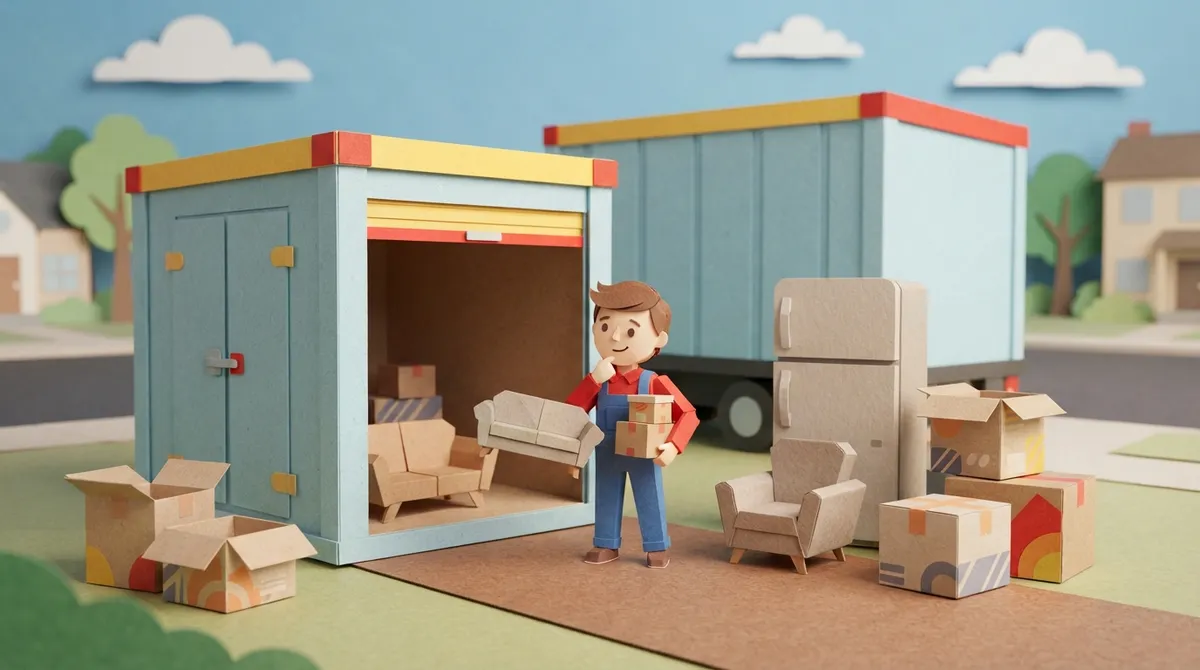
Loading help works best when the container is the right size. A container that is too small leads to rushed decisions and extra trips. One that is too big can mean paying for space you do not need.
PODS offers three container sizes. Here are their published approximate capacities and weight guidelines:
| Container Size | Approximate Capacity | Maximum Weight Guideline |
|---|---|---|
| 8-foot | Up to 500 sq. ft. | 5,200 lb |
| 12-foot | 500 to 800 sq. ft. | 4,700 lb |
| 16-foot | About 1,200 sq. ft. | 4,200 lb |
Notice something interesting: the bigger the container, the lower the weight guideline. That surprises a lot of people. A 16-foot container holds more volume, but you still need to watch heavy items like stone tables, safes, and tool chests.
How to Think About Size
- Walk through your home and list the large furniture pieces.
- Count how many rooms you are moving and how full each one is.
- Flag especially heavy items so you can plan weight placement.
- When in doubt, ask for a quick opinion before you order.
If you are weighing a container against a traditional truck, our article on how to use PODS loading services for a stress-free move goes deeper on the planning side.
Tip 3: Load Smart to Protect Your Belongings
This is where trained loading help really shines. A well-loaded container stays put during transport. A poorly loaded one shifts, and shifting is how dishes crack and furniture gets scuffed.
The Core Loading Rules
Whether you are doing it yourself or working alongside a crew, these habits make a real difference:
- Heavy low, light high: Place appliances and dressers on the bottom, with boxes and lamps above.
- Spread the weight: Do not stack all the heavy items in one area. Distribute them evenly.
- Wrap and pad: Use blankets, pads, or boxes to protect furniture and fragile items.
- Pack tightly: Fill gaps so nothing can slide around.
- Secure the load: Use rope or straps with the container's tie-down points.
PODS notes that tie-down eyelets are spaced about every 4 feet along the interior walls on most containers, though you should check your specific container because features may vary.
Protect the Door
Here is a tip that saves a lot of headaches. Pack tightly, but leave clearance around the door's rolling mechanism. PODS recommends building a secured barrier near the door so nothing falls against it and jams it shut. A jammed door on delivery day is no fun for anyone.
A Simple Loading Order
- Start at the front wall with your heaviest, sturdiest items.
- Build upward in tight, even layers.
- Add mattresses and soft items along the sides to fill gaps.
- Place lighter boxes on top of the stack.
- Keep items you need first near the door.
- Secure everything with straps and a door barrier.
Heavy lifting is where most injuries happen, so our heavy lifting moving tips are worth a quick skim before moving day.
Tip 4: Plan Smart for Special Situations
Every household is different. A few situations deserve extra thought when you are planning loading help.
Specialty and Awkward Items
Pianos, antiques, gun safes, and pool tables need experienced handling. They are heavy, awkward, and expensive to replace. A container is ground-level, so there is no ramp to carry things up, but you still need the right people and equipment. If you own specialty pieces, our guide on how to choose specialty item movers you can trust will help you ask the right questions.
Seniors and Retirees
If you are moving yourself or a loved one into a retirement home, patience matters. Loading help takes the physical strain off completely and keeps the day calm. Many families find that having a team handle the heavy work makes the whole transition easier. See our list of senior moving services in Polk County for more ideas.
Large Homes and Estates
Big households often mean big furniture and a lot of it. Plan for more labor hours, and consider whether one container will do or whether you need more than one. PODS recommends making an inventory for each container, which becomes a lifesaver when you are unloading.
Keep the Basics Safe
- Keep valuables, documents, and medications with you, not in the container.
- Make sure belongings are dry before loading, especially if the container will be used for storage.
- Take photos of high-value items before they go in.
Tip 5: Book Your Help the Right Way
Good loading help is easy to find if you plan ahead. A little timing and a few good questions go a long way.
Mind the Timeline
PODS recommends scheduling move phases at least 7 days in advance where possible, and busy periods may require more lead time. Dates are subject to availability. When you book labor, PODS suggests reserving it for at least the day after container delivery, which gives you a buffer in case delivery runs late.
Loading help can often be booked in two-hour increments, which is great if you only need a quick hand with a few heavy pieces. If you are not sure when to schedule, our article on when to schedule a move for the best results offers solid guidance.
How Many Hours Should You Book?
There is no single answer, since it depends on your home size, how much is already packed, and how many pieces are heavy. As a starting point, a few heavy items might take two hours, while a fully packed home needs a full day or more. Ask for an honest estimate, and be upfront about stairs, long walks to the container, and bulky furniture.
Questions to Ask Before You Hire
- Are you licensed and insured?
- Is your pricing transparent, with no surprise fees?
- How many crew members will arrive, and how many hours will they work?
- Do you have experience loading portable containers?
- What happens if an item gets damaged?
Not every crew is equal, so it is smart to verify credentials. Our guide on 9 ways to spot licensed and insured movers in Polk County shows you exactly how. You may also want to read 14 mistakes to avoid when hiring local residential movers before you commit.
What About Cost?
Pricing depends on your location, the number of movers, and how long the job takes. That is why a clear, written estimate matters so much. If you want to know what a good estimate looks like, read what you should expect from a free moving estimate. And if you are comparing budget options, our tips for finding cheap movers in Polk County can help you save without cutting corners.
Why Local Pros Make a Difference
Loading a container is not just about strength. It is about technique, patience, and care. A trained crew knows how to balance weight, wrap fragile pieces, and use every inch of space. They also work fast, which means less time paying for labor and less time stressed out in your driveway.
DynaMight Movers is a licensed and insured moving company serving Polk County, including Lakeland, Winter Haven, Davenport, and Dover. We offer transparent pricing, heavy lifting help, and careful handling for specialty items, so you always know what to expect. Curious what our neighbors think? You can visit us on Google and see what DynaMight Movers customers say.
Loading help is also a smart pick for people who want a hands-off experience, like luxury homeowners who want property protected and families juggling work, kids, and a packing list a mile long. Letting experienced hands take over often saves more than it costs, especially when you factor in time, injury risk, and potential damage.
Final Thoughts
Loading a portable container does not have to be a stressful, back-breaking day. Know what loading help includes, choose the right container size, load with weight and security in mind, plan for your special items, and book your help early. Do those five things, and your belongings will arrive in great shape.
Ready to take the heavy lifting off your plate? Let our team handle the muscle while you handle the fun parts of moving. Get a free estimate today, or call us at (866) 349-7719 to talk through your move. We would love to help you settle into your new place with zero stress.
FAQs
Q: What does PODS loading help include?
A: It means hiring trained labor to pack and load your portable container. You can choose just heavy-item help, loading only, or full packing and loading for the whole home. PODS can connect customers with local providers, though availability varies by location.
Q: How many hours of loading help should I book?
A: It depends on your home size, how much is already boxed, and how many heavy pieces you have. A few big items might take two hours, while a full home can take a day or more. PODS suggests booking labor for at least the day after delivery to allow for possible delays.
Q: What are the weight limits for PODS containers?
A: PODS lists guidelines of 5,200 lb for the 8-foot container, 4,700 lb for the 12-foot, and 4,200 lb for the 16-foot. Spread heavy items out instead of piling them in one spot. Placing the heaviest pieces low and balanced keeps the load steady.
Q: How do you load a PODS container to prevent damage?
A: Wrap and pad your belongings, put heavy items low and lighter ones above, and pack tightly so nothing shifts. Use rope or straps on the tie-down points, and leave clearance around the door's rolling mechanism. A secured barrier near the door helps keep it from jamming.
Q: Can movers pack and load a PODS container for me?
A: Yes, many moving crews can handle both packing and loading, so you can sit back while the work gets done. It is a great choice for busy families, retirees, and anyone with lots of heavy furniture. Just confirm pricing, licensing, and insurance before you book.