
Key Takeaways
- Gun safes weigh 300-1,200+ pounds with top-heavy designs and no built-in handles, requiring at least 3-4 strong people or professional equipment to move safely without injury or property damage.
- Always measure doorways, hallways, and staircases before moving day; many safes won't fit through standard openings and may require door removal or molding trimming.
- Empty the safe completely before moving to reduce weight and eliminate shifting hazards; pack contents separately in secure containers.
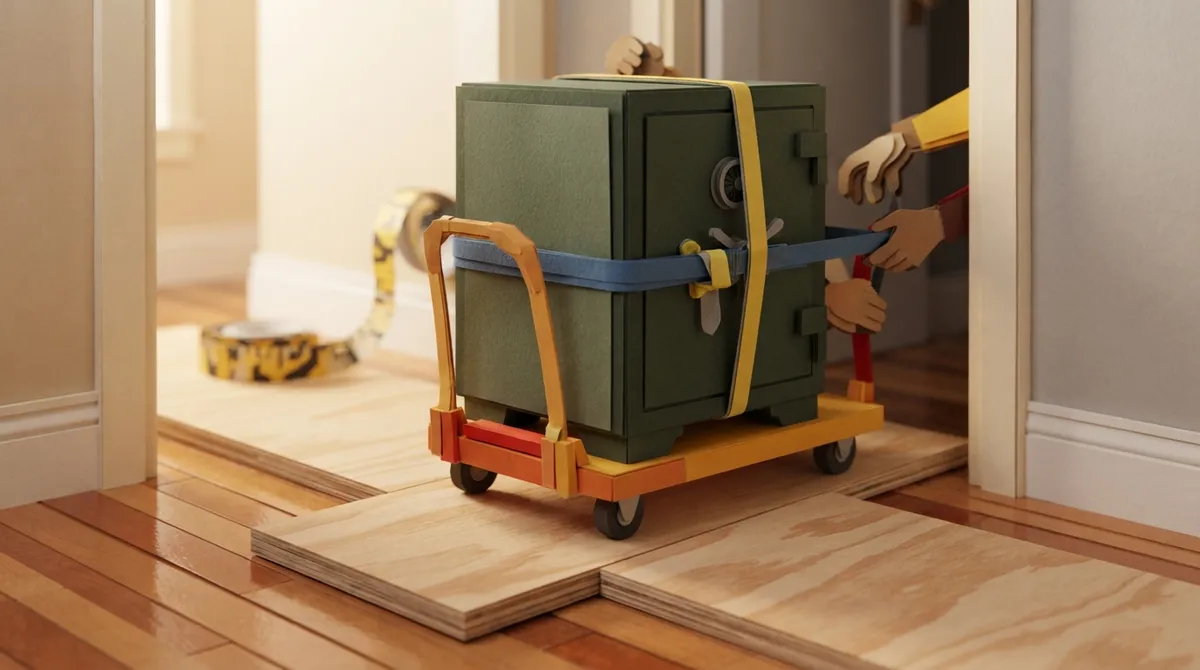
- Use a heavy-duty appliance dolly rated for 800+ pounds, gun safe ramps, furniture sliders, and floor protection (plywood or blankets) to prevent injury and property damage.
- Professional movers are recommended for safes over 500 pounds due to high injury and repair costs ($5,000+); they provide specialized equipment, insurance, and trained crews.
- Secure the safe door before moving and strap it down during transport with heavy-duty tie-downs; walk the entire route in advance to identify tight turns, low ceilings, and obstacles.
That gun safe sitting in your closet might weigh more than a small car. Some models tip the scales at 600, 800, even 1,200 pounds. So when moving day rolls around, you can't just call your buddy with a pickup truck and hope for the best. Gun safe moving takes real planning, the right gear, and a crew that knows what they're doing.
Here in Polk County, we see it all the time. Homeowners in Lakeland, Winter Haven, and Davenport reach out in a bit of a panic once they realize their safe won't fit through the doorway, or that it's heavier than they thought. Good news: it doesn't have to be stressful. With the right approach, your safe can move from point A to point B without a scratch on your walls, your floors, or your back.
This guide walks through 15 practical tips for gun safe moving, whether you're doing a local move across town or a long-distance haul to a new state. We'll cover the tools you need, the mistakes to avoid, and when it's smarter to just call in professional muscle. Let's get into it.
Why Gun Safe Moving Is Its Own Challenge
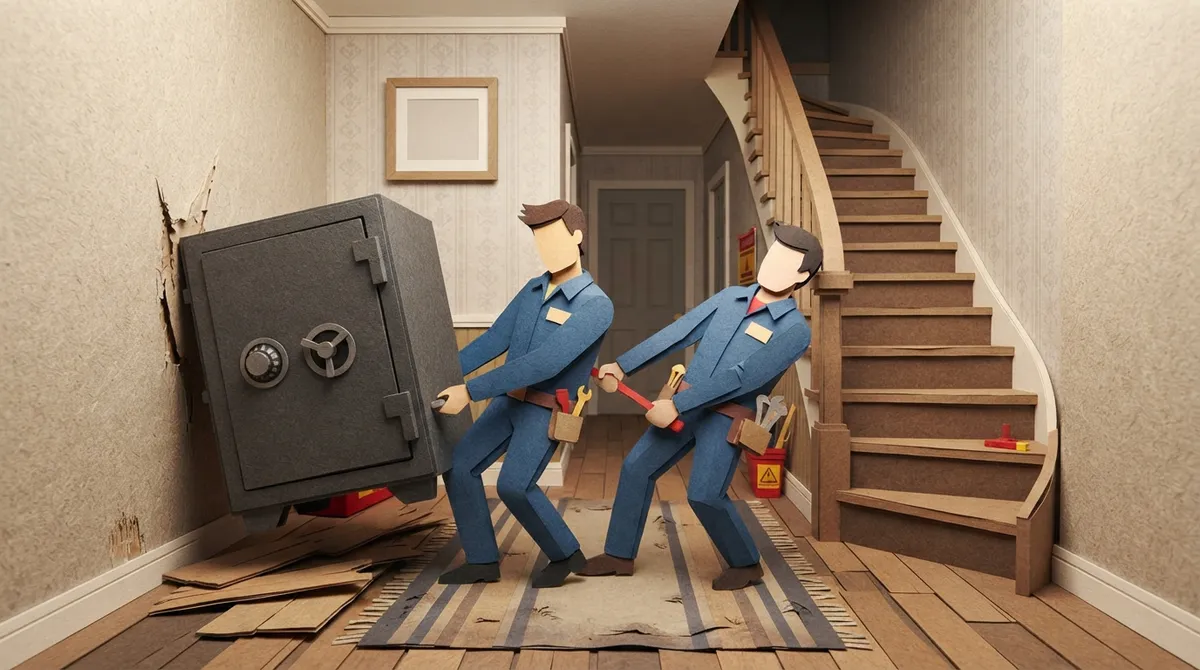
Moving a couch is one thing. Moving a safe is a whole different animal. These units are dense, awkward, and often too tall to tip on their side safely. A single misstep can crush a toe, crack a floor tile, or send the safe crashing through a wall.
Unlike furniture, gun safes don't have handles built for lifting. Most have a narrow base and a top-heavy design. That combination makes them prone to tipping if they're not strapped and balanced correctly during transport.
- Extreme weight concentrated in a small footprint
- Little to no built-in grip points
- High risk of floor and wall damage during transport
- Doorways and staircases that are often too narrow for the safe's width
- Potential for serious injury without proper lifting technique
15 Tips for Safe and Smooth Gun Safe Moving
1. Know Your Safe's Exact Weight
Before you plan anything, find the weight listed on the manufacturer's sticker or manual. Guessing leads to the wrong equipment and a much higher risk of injury. Many home safes weigh between 300 and 1,000 pounds, and some vault-style units go well beyond that.
2. Measure Every Doorway and Hallway
Grab a tape measure and check every path the safe will travel. Include doorways, hallway widths, and staircase turns. If your safe is wider than a doorway, you may need to remove the door or trim molding ahead of time.
3. Empty the Safe Completely
Take out every item before moving day. A loaded safe adds unnecessary weight and creates a shifting hazard during transport. Pack the contents separately in secure containers.
4. Use a Heavy-Duty Appliance Dolly
A standard hand truck won't cut it. You need an appliance dolly rated for at least 800 pounds, with wide straps and a stair-climbing feature if you have steps to navigate.
5. Invest in (or Rent) a Gun Safe Ramp
Ramps designed for heavy safes distribute weight evenly and reduce strain during loading. They're a smart rental if you're doing this yourself.
6. Protect Your Floors First
Lay down plywood sheets or heavy-duty moving blankets across the entire path. This single step prevents most of the scratches and gouges that happen during a safe move.
7. Never Try to Lift Alone
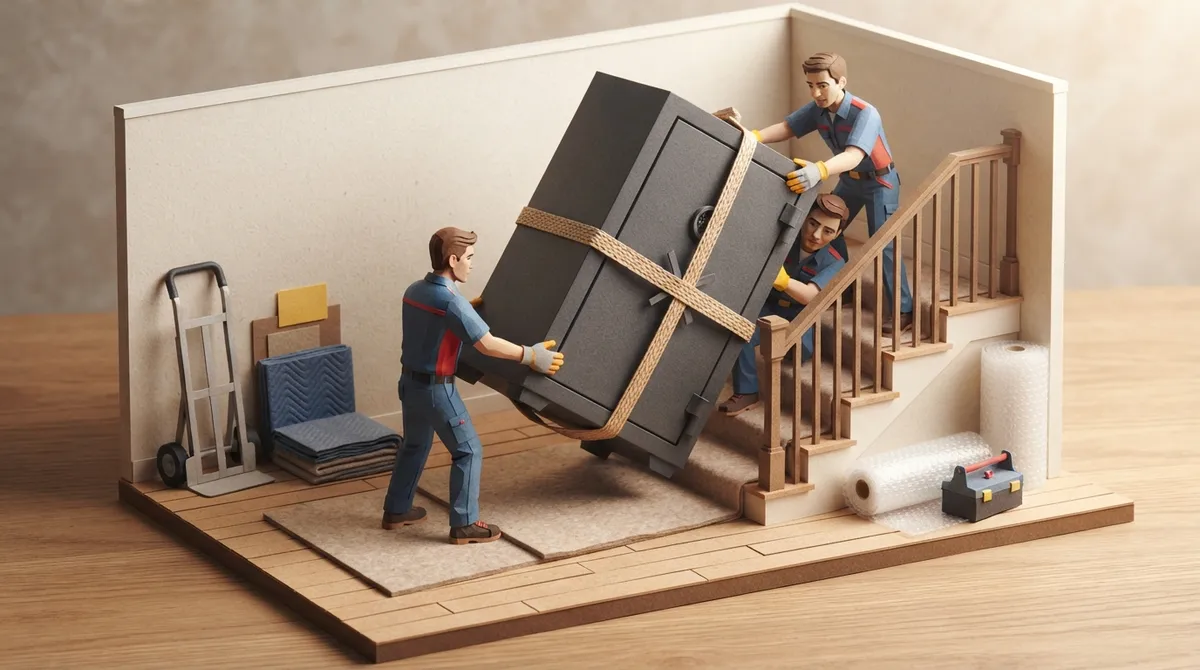
This one seems obvious, but it's worth repeating. Gun safe moving requires at least three to four strong people, or specialized equipment like a safe skid and pry bar combo.
8. Tip the Safe Carefully, Not Suddenly
If tipping is necessary, do it slowly with someone guiding the top and someone stabilizing the base. Sudden shifts are how injuries and floor damage happen.
9. Secure the Safe Door Before Moving
Lock the door or tape it shut so it doesn't swing open mid-move. A swinging door can throw off balance and cause the whole unit to tip.
10. Plan the Exact Path in Advance
Walk the route from the safe's current spot to the truck (or new room) before moving day. Identify tight turns, low ceilings, and steps that need extra attention.
11. Use Furniture Sliders for Smooth Surfaces
On tile, hardwood, or laminate, furniture sliders under the dolly wheels help prevent scuffing and make pushing easier.
12. Check the Truck's Weight Limit
Rental trucks have weight ratings. A single oversized safe combined with your other belongings could push you close to that limit. Confirm the truck can handle the load safely.
13. Secure the Safe During Transport
Once loaded, strap the safe to the truck wall using heavy-duty tie-downs. An unsecured safe can shift during transit and damage other items or the truck itself.
14. Consider Professional Movers for Anything Over 500 Pounds
At a certain weight, DIY moving becomes a liability. Professional crews bring specialized dollies, ramps, and rigging equipment built for this exact job.
15. Get a Written Estimate Before Moving Day
Whether you hire help for the whole move or just the safe, ask for a clear, written quote. This avoids surprise charges once the truck shows up.
DIY vs. Professional Gun Safe Moving
Some homeowners try to save money by moving the safe themselves. It can work for lighter models under 300 pounds with a few extra hands. But once you cross into the 500-pound range, the math changes fast. One wrong step can mean a trip to the ER or a five-figure repair bill for your floors.
| Factor | DIY Moving | Professional Movers |
|---|---|---|
| Equipment Needed | Rent dolly, ramp, straps | Already equipped |
| Risk of Injury | High without training | Low, trained crew |
| Risk of Property Damage | Moderate to high | Low, insured coverage |
| Time Required | Several hours, unpredictable | Usually 1-2 hours |
| Cost | Rental fees only | Flat rate or hourly labor |
If you're weighing your options for a bigger move, our article on full service vs labor only Winter Haven residential moving breaks down when it makes sense to hire the whole crew versus just extra hands.
Common Safe Sizes and What They Mean for Your Move
Not all gun safes are built the same. Knowing your category helps you and your movers plan the right equipment ahead of time.
| Safe Type | Typical Weight Range | Recommended Crew Size |
|---|---|---|
| Compact Home Safe | 100-300 lbs | 2-3 movers |
| Standard Gun Safe | 300-600 lbs | 3-4 movers |
| Large Capacity Safe | 600-1,000 lbs | 4-5 movers with equipment |
| Vault-Style Safe | 1,000+ lbs | 5+ movers, specialized rigging |
Steps to Prepare for Moving Day
A little prep work goes a long way toward a smooth, damage-free move. Follow these steps in the days before your scheduled move:
- Weigh or estimate the safe's total weight using the manufacturer's specs
- Measure all doorways, hallways, and staircases along the moving path
- Remove all contents and store them separately
- Confirm your moving crew has the right equipment for the weight class
- Protect flooring with plywood or heavy blankets
- Secure the safe door so it can't swing open
- Walk the moving path one final time to spot any last-minute obstacles
According to the Occupational Safety and Health Administration, improper lifting techniques are one of the leading causes of workplace injuries, which is exactly why professional crews train specifically for heavy, awkward loads like gun safes.
Why Local Experience Matters
Polk County homes come in all shapes and sizes, from single-story ranch homes in Lakeland to two-story properties in Davenport with tight staircases. A crew that knows the area understands common layout challenges before they even walk through the door.
DynaMight Movers has handled specialty moves across Lakeland, Winter Haven, Dover, and the surrounding communities. We show up with the right dollies, ramps, and rigging gear for heavy items like gun safes, so you don't have to gamble with your floors or your family's safety. Check out what our customers are saying when you visit our DynaMight Movers location on Google.
If you're relocating farther than across town, our guide on what should you know before a long distance move covers extra planning tips for bigger relocations. And if your move includes other bulky items, our page on how to choose specialty item movers you can trust is worth a read too.
Signs You Should Skip DIY and Call in Help
Not sure whether to tackle it yourself? Here are a few clear signals that it's time to bring in professional muscle:
- Your safe weighs more than 400 pounds
- You have narrow doorways, tight turns, or multiple staircases
- You don't have access to a heavy-duty appliance dolly or ramp
- You're short on able-bodied help for the day
- You want insurance coverage in case something goes wrong
According to the U.S. Bureau of Labor Statistics, moving and material handling remains one of the more physically demanding occupations, which underscores why trained crews use specific techniques and equipment for oversized loads.
What to Expect When You Hire Professionals
When you bring in an experienced team for gun safe moving, the process is usually straightforward. Here's what a typical job looks like from start to finish:
- A team member assesses the safe's weight and the moving path
- The crew protects flooring along the entire route
- Movers use a heavy-duty dolly and ramp to load the safe
- The safe is secured for transport with tie-down straps
- Once at the destination, the crew repeats the process in reverse
- The safe is placed in its final spot and leveled if needed
This kind of process minimizes risk and keeps your home looking exactly the way you left it. If you're also dealing with other heavy or bulky items, our article on heavy lifting moving tips has more helpful advice.
Cost Considerations for Gun Safe Moving
Pricing for gun safe moving depends on the weight, distance, and complexity of the path. Some companies charge a flat fee for safes under a certain weight, while heavier units may require an hourly labor rate plus specialized equipment fees.
Always ask for what should you expect from a free moving estimate before committing. Transparent pricing means no surprise charges once the truck arrives at your door. If you're also trying to keep the rest of your move affordable, our list of 15 tips for finding cheap movers in Polk County FL can help you budget smart without cutting corners on safety.
Final Thoughts on Gun Safe Moving
Gun safe moving isn't something to wing. The stakes are too high for your floors, your walls, and your own safety. With the right prep, the right equipment, and either a solid crew of helpers or a professional team, you can get that heavy safe from one home to the next without a single scratch.
Whether you're relocating within Lakeland, moving from Winter Haven to Davenport, or planning a bigger cross-state move, having a team that treats your belongings like their own makes all the difference. Ready to make your next move the easy one? Get a free estimate today, or call us at (866) 349-7719 to talk through your specific gun safe moving needs with a real person who's ready to help.
FAQs
Q: How much does it cost to move a gun safe?
A: It really depends on the safe's weight and how tricky the path is, but many movers charge a flat rate for smaller safes and hourly labor for the big ones. We always recommend grabbing a free, written estimate first so you know exactly what to expect, no surprises on moving day.
Q: Can two people move a gun safe by themselves?
A: Honestly, it depends on the size. A lighter compact safe under 300 pounds might be doable with two strong helpers and the right dolly, but anything heavier really calls for three or four people, or a professional crew with proper equipment.
Q: Do I need to empty my gun safe before moving it?
A: Yes, always empty it out first! A loaded safe is heavier, harder to balance, and the contents can shift around during transport. Take everything out, pack it up separately, and you'll make the whole move so much smoother.
Q: What's the best equipment for gun safe moving?
A: A heavy-duty appliance dolly rated for at least 800 pounds is a must, along with furniture sliders, tie-down straps, and floor protection like plywood or thick moving blankets. If you don't have access to this gear, that's usually a good sign it's time to call in the pros.
Q: Will professional movers move a gun safe up or down stairs?
A: Absolutely, experienced crews handle this all the time using stair-climbing dollies and careful teamwork. It's one of those jobs where having the right hands and equipment truly makes all the difference between a smooth move and a stressful one.