
Key Takeaways
- Labor-only loading/unloading typically costs $40-$80 per mover per hour ($80-$160 for two-person crews), with most jobs averaging around $375 due to two-hour minimums; costs increase with stairs, long distances, and heavy specialty items.
- Heavy items should be loaded first and placed low toward the truck's front, with lighter and fragile items stacked above using padding between layers to maintain weight balance and prevent shifting during transport.
- Always confirm your mover's licensing and insurance before booking, especially for interstate moves; interstate carriers must follow FMCSA Part 375 requirements including written estimates and clearly listed extra fees.
- Prepare your home before the crew arrives by packing and labeling boxes, clearing walkways, disassembling furniture yourself if possible, and confirming truck parking access to help movers work faster and safer.
- Professional crews perform a walkthrough first to assess inventory, plan safe routes, protect floors and doorframes, and note pre-existing damage—a step that significantly reduces accidents and sets the pace for the entire job.
- Specialty and high-value items like pianos, antiques, and safes require movers with specific experience and training; ask about their expertise before the move to avoid expensive damage to irreplaceable belongings.
Moving day usually comes down to one thing: getting your stuff on the truck and off the truck without anything breaking, or anyone throwing out their back. That's the heart of loading and unloading. It sounds simple, but there's a real skill to it, and doing it wrong can cost you money, time, and a whole lot of stress.
Whether you're a Polk County homeowner making a short hop across Lakeland, or you're planning a bigger move out of state, knowing what good loading and unloading looks like can help you make smarter choices. Maybe you're hiring full-service movers. Maybe you just need extra hands for a rental truck. Either way, we put together 13 practical tips based on how professional crews actually do this work every day. Grab a coffee, and let's get you ready for moving day.

1. Know What "Loading and Unloading" Actually Covers
In the moving world, loading means carefully collecting, wrapping, carrying, and placing your household items onto a truck, trailer, or portable storage container. Unloading is just the reverse at your new place. It's not just tossing boxes in a truck. It includes protecting furniture, securing items so they don't shift, and stacking things in a way that uses space wisely.
This service can come in a few different forms. You can get it as part of a full-service move, hire it as labor-only help if you already have a truck, or pair it with a portable storage container. Each option fits a different budget and situation, which we'll break down more below.

2. Decide Between Full-Service and Labor-Only Help
This is one of the biggest decisions you'll make. Full-service movers bring the truck, the crew, and handle everything from start to finish. Labor-only movers show up with muscle and equipment, but you're responsible for the truck or container rental.
Labor-only can save money if you're comfortable driving a large truck yourself. But it also means you're on the hook for any driving mishaps and the extra planning that comes with renting equipment. If you're weighing these two paths, our guide on full service vs labor only moving in Winter Haven breaks down which option fits which situation.
Quick Comparison: Full-Service vs. Labor-Only
| Feature | Full-Service Moving | Labor-Only Loading/Unloading |
|---|---|---|
| Truck Provided | Yes | No, customer supplies it |
| Driving Responsibility | Mover drives | Customer drives |
| Typical Cost | Higher, all-inclusive | Lower, hourly labor rate |
| Best For | Busy families, fragile or heavy items | Budget movers comfortable with logistics |
| Insurance Coverage | Usually full carrier coverage | Varies, confirm before booking |
3. Understand How Pricing Works
Labor-only loading or unloading typically runs about $40 to $80 per mover per hour, according to a 2026 moving-cost guide. A two-person crew often falls between $80 and $160 per hour. Many companies also set a two-hour minimum, so a typical booking averages around $375. Keep in mind these are general market estimates, and your actual price depends on your location, crew size, and how tricky the job is.
Things that can bump up your price include stairs, elevators, long walks from the door to the truck, tight parking, or unusually heavy items like safes and pianos. A good moving company will walk you through these possible extra charges before moving day, not after. If you want a clear breakdown before books fill up, you can always get a free estimate so there are no surprises.
4. Check for Proper Licensing and Insurance
If you're moving across state lines, your mover needs to follow federal rules. The Federal Motor Carrier Safety Administration (FMCSA) requires interstate household goods carriers to give written estimates, carry proper insurance, and clearly list any extra fees before the move. This is part of FMCSA Part 375, a set of consumer protection rules built to keep you from getting blindsided.
These rules generally don't apply if you're staying inside Florida, but state and local requirements can still come into play. Either way, it's smart to confirm your mover is properly licensed and insured. Our article on spotting licensed and insured movers in Polk County can help you check the right boxes before you sign anything.
5. Get Everything Ready Before the Crew Arrives
A little prep goes a long way. Movers work faster and more safely when your home is ready for them. Here's a simple list to knock out before loading day:
- Pack boxes ahead of time and label them by room
- Disassemble anything you're comfortable taking apart yourself
- Clear walkways, hallways, and doorframes of clutter
- Set aside valuables, important documents, and medications separately
- Confirm parking access for the truck ahead of time
If packing feels overwhelming, you don't have to do it alone. Check out our packing and moving services in Polk County for extra support before the truck even shows up.
6. Let the Crew Do a Walkthrough First
Good crews don't just start grabbing boxes. They walk through your home first to check the inventory, look at doorways and stairs, and plan the safest route to the truck. They also protect floors, wrap doorframes, and note any pre-existing damage on furniture or walls.
This step matters more than people realize. It sets the pace for the whole job and helps avoid accidents. It's one of the reasons hiring a trained team, like the crew at DynaMight Movers, tends to go smoother than a rushed DIY approach.
7. Know How Heavy Items Get Loaded Safely
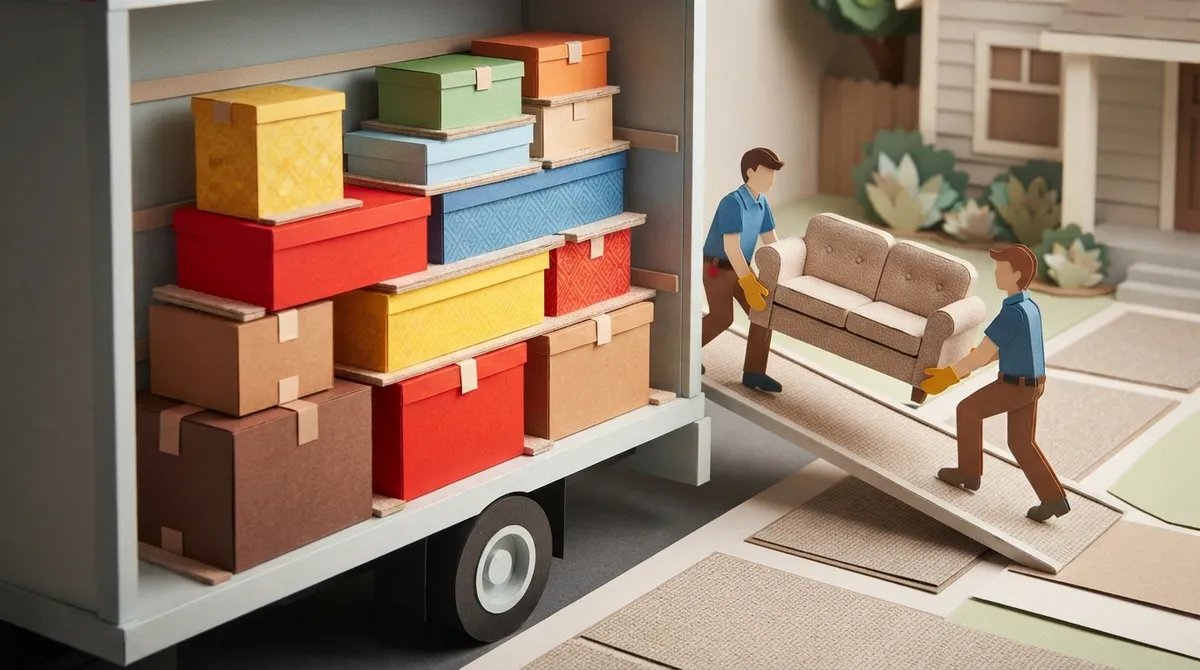
There's a method to loading a truck properly. Heavy items usually go in first, low to the ground, and toward the front of the truck. Lighter and more fragile things get stacked around and above them, with padding in between. This keeps weight balanced and reduces the chance anything shifts during transport.
Professional movers also use dollies, ramps, and furniture straps to protect both your items and their backs. If you're dealing with something extra heavy, like an appliance or a piece of exercise equipment, our heavy lifting moving tips guide covers safe techniques worth knowing.
Loading Order: A Simple Breakdown
- Large furniture and heavy appliances (loaded first, low and secure)
- Boxes of books, tools, and dense items (stacked next)
- Medium furniture pieces like dressers and tables
- Lighter boxes and soft items like bedding
- Fragile and specialty items (loaded last, easiest to access)
8. Give Extra Care to Specialty and High-Value Items
Pianos, antiques, gun safes, pool tables, and fine art all need special handling. These items are heavy, awkward, or just plain irreplaceable, and they deserve movers who know exactly what they're doing. Wrong technique here can mean expensive damage.
If you own something like this, ask your moving company directly about their experience. Our guide on choosing specialty item movers you can trust walks through the right questions to ask before you hand over your grandmother's china cabinet.
9. Think About Timing and Crew Size
How long loading and unloading takes depends on the size of your home, how many stairs are involved, and how many movers show up. A one-bedroom apartment might only take two to three hours. A large family home can take most of the day, especially with narrow hallways or a long walk to the truck.
Larger households benefit from bigger crews. If you're moving out of a big house or an estate full of bulky furniture, it pays to ask for extra hands upfront rather than adding them last minute. Our piece on residential move tips for 2026 can help you plan crew size and timing more accurately.
10. Know Who's Responsible If Something Breaks
This is a question worth asking before moving day, not during it. Full-service movers usually carry cargo insurance and public liability coverage as part of their operating requirements. Labor-only crews may have different coverage, especially if you're driving the truck yourself.
Ask about valuation coverage, how claims get filed, and what's excluded. A trustworthy company will explain this clearly instead of brushing past it. You can find more detail on this topic through the FMCSA's summary of consumer protection requirements for household goods movers.
11. Watch Out for Common Loading Mistakes
Even well-meaning movers can make mistakes that lead to damage or wasted time. Here are a few to avoid:
- Overpacking boxes so they're too heavy to lift safely
- Skipping furniture pads or blankets on wood and glass surfaces
- Loading fragile boxes on the bottom of a stack
- Not securing items with straps, leading to shifting during transit
- Ignoring weight distribution, which can affect truck handling
Our article on moving day disasters professional movers prevent goes into more detail on how experienced crews avoid these common headaches.
12. Consider Containerized Loading for Storage or Long-Distance Moves
If you're using a portable storage container instead of a traditional truck, loading works a bit differently. Space is tighter, so packing order and protection matter even more. This option works well for long-distance moves where your things might sit in storage for a while before reaching your new home.
If you're weighing whether a portable container or a traditional moving truck makes more sense, our guide on using PODS loading services for a stress-free move lays out the pros and cons clearly.
13. Choose a Team That Treats Your Move Like It Matters
At the end of the day, loading and unloading is about trust. You're handing over your furniture, your keepsakes, and sometimes your whole life's worth of belongings to people you just met. That's a big deal, and it deserves a team that shows up on time, communicates clearly, and handles your things like they matter.
DynaMight Movers has built a reputation across Lakeland, Winter Haven, Davenport, and Dover for doing exactly that. We're licensed, insured, and ready for anything from a studio apartment to a full family estate. Curious what your neighbors are saying? Feel free to visit us on Google — DynaMight Movers and see real reviews from real Polk County families.
Making Your Loading Day Go Smoothly
Loading and unloading might seem like the most physical part of moving, but it's also where good planning pays off the most. A little prep, the right crew, and clear communication can turn a stressful day into a smooth one. Whether you're moving down the street in Lakeland or heading across the state, these tips should help you feel more confident about what to expect.
Ready to stop worrying about moving day logistics? Get a free estimate from DynaMight Movers today, or call us at (866) 349-7719 to talk through your move with a friendly, real person. We're here to make your next move feel a whole lot lighter.
FAQs
Q: What does loading and unloading service include when hiring movers?
A: It usually covers carefully carrying your items from your home to the truck, protecting furniture with pads and wraps, and securing everything so it doesn't shift during the ride. On the other end, it means safely carrying everything into your new place. Some companies also handle disassembly and reassembly of furniture as part of the job.
Q: How much do movers charge to load and unload a truck or storage container?
A: Labor-only help typically runs $40 to $80 per mover per hour, with two-person crews often falling between $80 and $160 hourly. Many companies set a two-hour minimum, so a typical job averages around $375. Your final price depends on crew size, access, and how much stuff you're moving.
Q: Can I hire movers for labor only without renting a moving truck?
A: Yes! Plenty of folks rent their own truck or container and just hire movers for the muscle. It's a great way to save money if you're comfortable handling the driving and logistics yourself. Just make sure you understand what happens if something gets damaged, since coverage can differ from full-service moves.
Q: How long does it take movers to load or unload a house or apartment?
A: A smaller apartment might take just two to three hours, while a larger family home can take most of the day. Stairs, long walkways, and specialty items can add extra time. A good crew will give you a realistic estimate based on a walkthrough of your home.
Q: Are movers responsible for damage during loading and unloading?
A: Reputable movers carry insurance to cover damage that happens during the move, and interstate carriers are required to maintain public liability and cargo coverage. It's always smart to ask about valuation coverage and claims before moving day so you know exactly what's protected.